Lake Chad Basin Crisis: A Complex Tapestry of Conflict and Demographic Shifts BODY: Lagos, Nigeria – The Lake Chad Basin, a region that spans Nigeria, Cameroon, Chad, and Niger, has long been a hotbed of conflict and humanitarian crises.
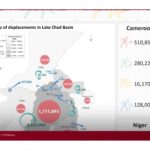
A complex tapestry of factors, including an armed conflict involving non — state armed groups, extreme poverty, underdevelopment, and climate change, has led to significant displacement and human suffering.
As the region grapples with these challenges, the demographic shift towards a younger population adds another layer of complexity to the situation.
By 2050, nearly one in five young people in the world will live in Western and Central Africa, a significant demographic shift that underscores the need for sustainable development and regional integration initiatives. Nigeria, with its vast population and shared borders with four countries, is at the heart of this demographic shift and plays a crucial role in addressing the region’s challenges.
The World Bank has highlighted the importance of health, nutrition, and early childhood development in powering growth in the region.
These factors are crucial not only for the individual well — being of children but also for the long-term economic development of the region.
The bank’s reports indicate that investing in these areas can lead to better health outcomes, reduced poverty, and increased productivity.
The Economic Community of West African States (ECOWAS) has also been actively involved in addressing the crisis in the Lake Chad Basin.
The organization held a summit on the future of regional integration in West Africa, focusing on the operationalization of various projects aimed at improving infrastructure and services in member states. These projects are designed to enhance regional connectivity, promote economic growth, and improve the quality of life for the people in the region.
The crisis in the Lake Chad Basin is a complex one, with multiple layers of challenges.
The armed conflict involving non — state armed groups has led to significant displacement and loss of life.
The region is also facing extreme poverty and underdevelopment, which exacerbate the humanitarian crisis. Climate change has further compounded the problems, leading to water scarcity and food insecurity.
The response to the crisis requires a multifaceted approach, involving security, humanitarian assistance, development, and regional integration.
The involvement of international organizations such as the United Nations, the African Union, and the World Bank is crucial in providing the necessary resources and expertise to address the crisis effectively.
The demographic shift towards a younger population adds another layer of complexity to the situation.
As the region’s youth population grows, there is an increased risk of unemployment and social unrest. Investing in education, skills development, and entrepreneurship is essential to ensure that the region’s youth have the opportunity to contribute positively to their societies.
The Lake Chad Basin crisis is a complex and multifaceted issue that requires a coordinated and comprehensive response.
The involvement of multiple stakeholders, including governments, international organizations, and local communities, is crucial in addressing the region’s challenges. By focusing on health, nutrition, early childhood development, and regional integration, the region can move towards a more stable and prosperous future.
The situation in the Lake Chad Basin remains fluid, with the crisis evolving as new challenges emerge.
The region’s future depends on the ability of its leaders and international partners to work together effectively and implement sustainable solutions.
The Lake Chad Basin crisis is a wake — up call for the international community to address the root causes of conflict and underdevelopment in the region. Only through a coordinated and comprehensive approach can the crisis be resolved and the region’s potential realized.
*Additional reporting by ImNews | Sources consulted: 5*
—
This original article was produced by the ImNews editorial team
Source: reliefweb
Source: International Organization for Migration