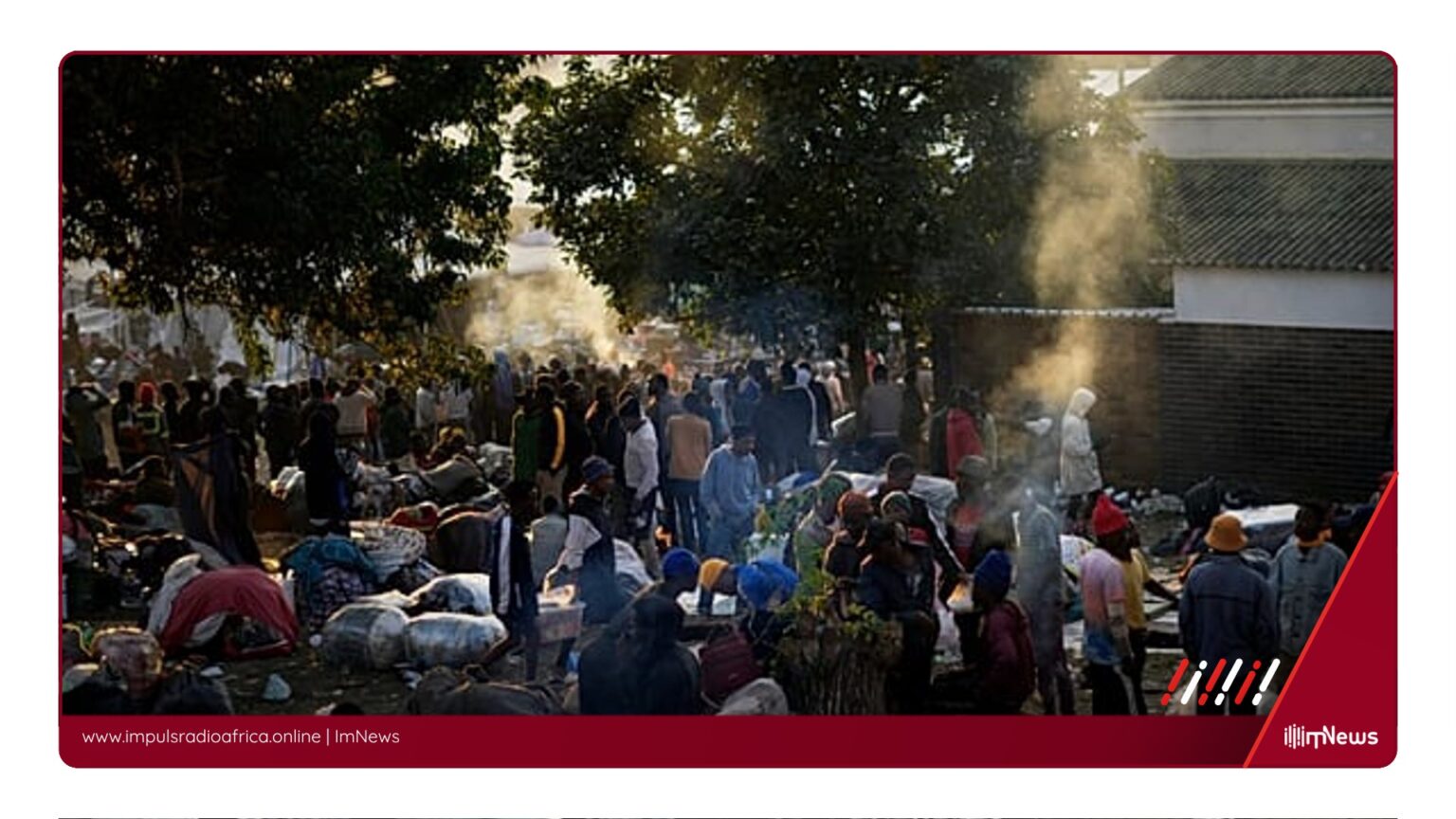
Malawi Citizens Seek Return Amidst South Africa’s Xenophobic Wave Johannesburg, South Africa – Amidst the surge of anti-immigrant protests sweeping through South Africa, hundreds of Malawian nationals are lining up at their country’s embassy in Johannesburg, seeking repatriation. South African officials have reported the forced return or voluntary repatriation of over 53,000 African immigrants in just a month, with the majority being from Malawi.
The situation has been marked by violence and discrimination, with groups like Operation Dudula advocating for the expulsion of undocumented foreign nationals.
The anti — immigrant sentiment has reached such a peak that it prompted a self-imposed deadline on June 30 for undocumented immigrants to leave, which while not an official government directive, caused widespread panic and a mass exodus. Malawian citizens, like Bashil Austin and Alice Amoni, have expressed their gratitude to the government for facilitating their return.
However, many are returning with minimal possessions, having left behind their lives and aspirations in search of a better future. Janet Kapito, a 27-year-old mother of three, left her village in Malawi in 2022 with the hope of saving enough money to buy land and build a house. Instead, she returned to Malawi, her belongings stolen during the journey.
The South African government has emphasized the legality of immigration enforcement and condemned vigilantism and intimidation. Despite these reassurances, the rumors and threats surrounding the self-imposed deadline have had a significant impact on many migrants, causing fear and disruption to their lives.
The mass repatriation raises concerns about the long — term effects on the economies of Malawi and other affected countries. It also highlights the necessity for South African authorities to address the root causes of anti-immigrant sentiment and violence.
As the repatriation process continues, support systems are being established for those returning to Malawi and other countries.
However, the journey home is far from over for many, who are left to rebuild their lives amidst the aftermath of violence and displacement.
The unfolding situation underscores the urgent need for a comprehensive approach to address the complex issues surrounding immigration and xenophobia in South Africa and across the continent.
*Additional reporting by ImNews | Sources consulted: 5*
—
This original article was produced by the ImNews editorial team
Source: Africanews
Source: Rédaction Africanews