The fund, which was intended to stimulate the economy post — pandemic, has become a point of contention among various stakeholders, including government officials, NGOs, and international donors. ### NUT GRAF: The impasse comes as Mali faces a critical period in its economic recovery, with a growing number of projects that rely on the Recovery Fund at risk of being shelved.
The fund was designed to address the urgent needs of the country, including health services, education, and infrastructure, but the current deadlock threatens to exacerbate the existing socio — economic challenges.
### BODY: The African Development Bank Group’s Country Strategy Paper for Mali (2026-2031) was approved by the Committee on Operations and Development Effectiveness (CODE) on 3 November 2025, outlining a comprehensive plan to support Mali’s development over the long term.
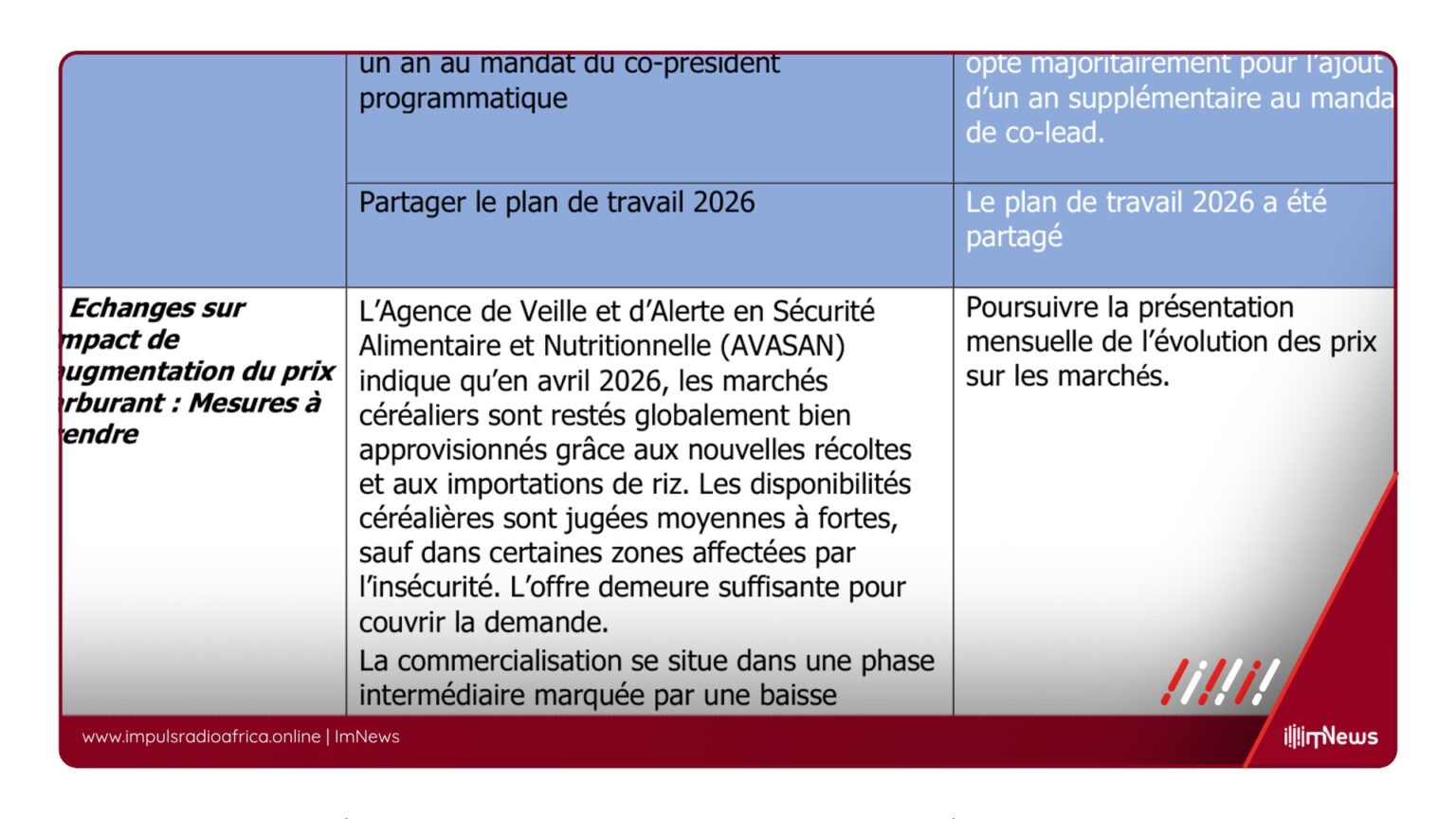
However, the recent dispute over the Recovery Fund allocation could significantly hinder these efforts. During a meeting of the Cash Working Group (CWG) on 30 April 2026, various issues were discussed, including the follow-up of recommendations, the impact of the increase in fuel prices, national inflation rates, and the humanitarian situation in Mopti, Ga-Menaka, and Kidal.
The meeting also addressed the 87 million lives campaign and the evolving humanitarian situation in these regions.
According to sources, the CWG meeting on 9 June 2026 included discussions on in-person and online sessions, sharing of recommendations, and the consideration of the evolving humanitarian situation in various regions.
However, the allocation of funds from the Recovery Fund remains a contentious issue, with some stakeholders expressing concerns about transparency and accountability.
The situation is further complicated by Mali’s fuel crisis, which began in September 2025.
The blockade of fuel tanker convoys by jihadist group JNIM, coupled with a surge in global hydrocarbon prices, has led to a severe fuel shortage.
The Malian government has since announced measures to regulate fuel prices, setting strict price caps in an effort to curb speculation and protect consumer purchasing power.
Despite these efforts, the economic pressures remain significant.
The government has announced a significant reduction in fuel prices at the pump, which is expected to provide relief to consumers amid ongoing economic challenges.
However, the Recovery Fund allocation dispute poses a significant risk to the implementation of vital development projects.
The CWG, which includes government entities, NGOs, and international organizations, is seen as a multi — stakeholder approach to humanitarian assistance in Mali.
The group’s ability to address the current deadlock and ensure the effective allocation of Recovery Fund resources is crucial for the country’s economic recovery. ### KICKER: As Mali grapples with the allocation dispute, the international community and regional bodies are closely monitoring the situation.
The outcome of this dispute could have far — reaching implications for the country’s development trajectory and its ability to overcome the challenges posed by the COVID-19 pandemic. ### African Development Bank Group, UN Office for the Coordination of Humanitarian Affairs, reliefweb.
*Additional reporting by ImNews | Sources consulted: 5*
—
This original article was produced by the ImNews editorial team
Source: reliefweb
Source: UN Office for the Coordination of Humanitarian Affairs