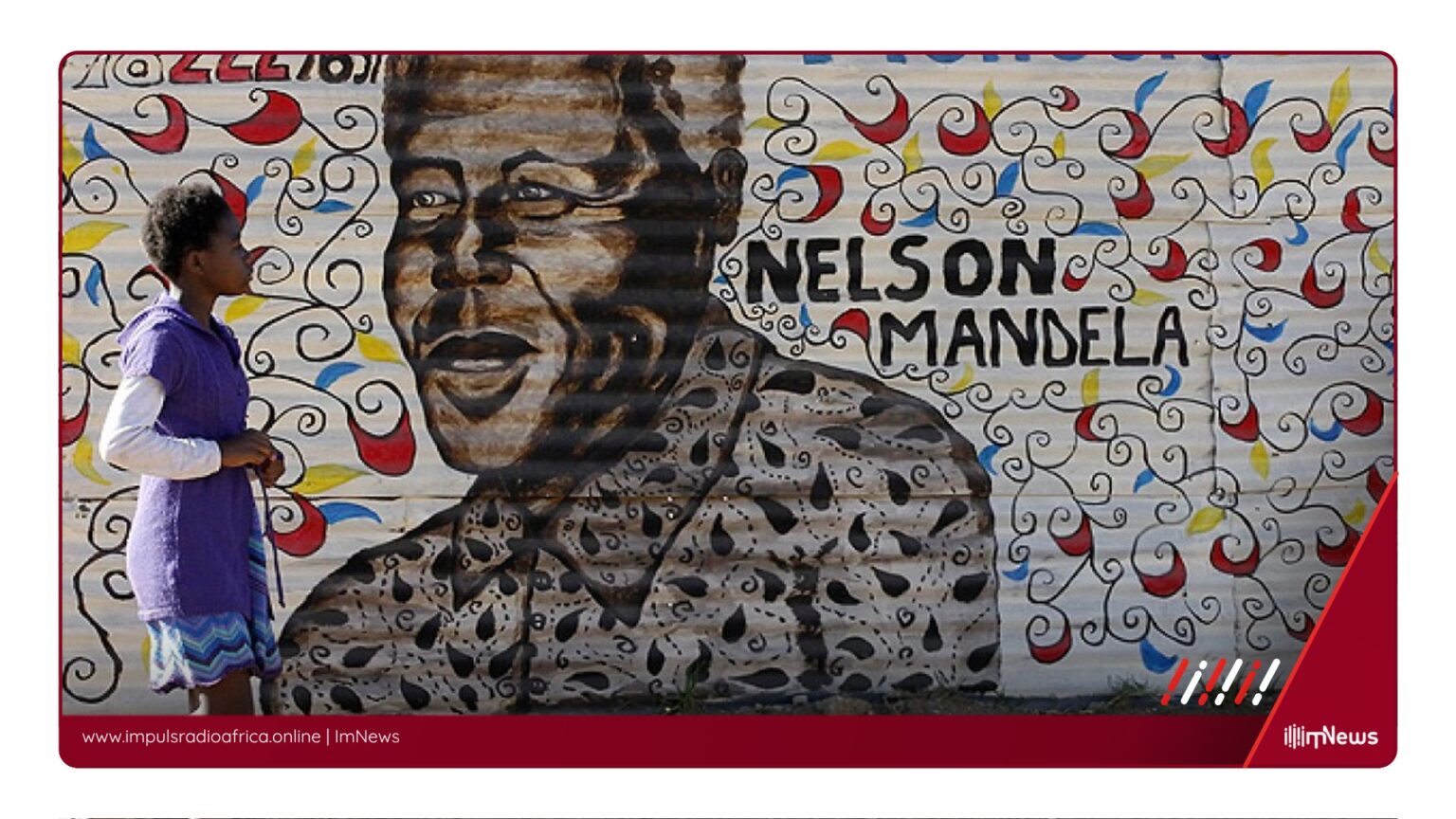
Johannesburg, South Africa — Nelson Mandela International Day, commemorated on July 18, traditionally honors the former president’s dedication to justice, equality, and human dignity. Yet, this year’s celebration has been marred by a contentious debate, focusing on the legacy of Mandela and the nation’s approach to immigration, alongside economic and social challenges.
The Nelson Mandela Foundation has strongly criticized the actions of the anti — immigration group March and March, which utilized Mandela Day to inspect businesses in Mandela’s home province of Eastern Cape, identifying undocumented workers and businesses they claim are operating illegally.
The foundation argues that such actions undermine the principles of dialogue, constitutionalism, and human dignity that defined Mandela’s public life. March and March’s activities have ignited a broader conversation about South Africa’s border security, immigration laws, and job opportunities for South African citizens. Critics contend that the government has not adequately secured the country’s borders, enforced immigration laws, or prioritized job opportunities for its citizens—a view shared by the group.
Amidst the controversy, Mandela Month, observed throughout July, continues to encourage community service and the fight against poverty and inequity.
The ongoing debate over Mandela Day’s use by March and March raises questions about the group’s actions and their impact on the perception of Mandela’s legacy, as well as the complex challenges South Africa faces in balancing immigration, economic opportunities, and social justice.
As South Africa commemorates Mandela Month and Mandela Day, the nation grapples with how to honor Mandela’s legacy in a manner that addresses the country’s current social and economic realities, underscoring the need for dialogue and action to build a more equitable society.
*Additional reporting by ImNews | Sources consulted: 5*
—
This original article was produced by the ImNews editorial team
Source: aljazeera
Source: Qaanitah Hunter