In Rabat, the Mobilising Rights Association (MRA) has highlighted the stark gap between Morocco’s legal efforts to combat violence against women and the actual outcomes.
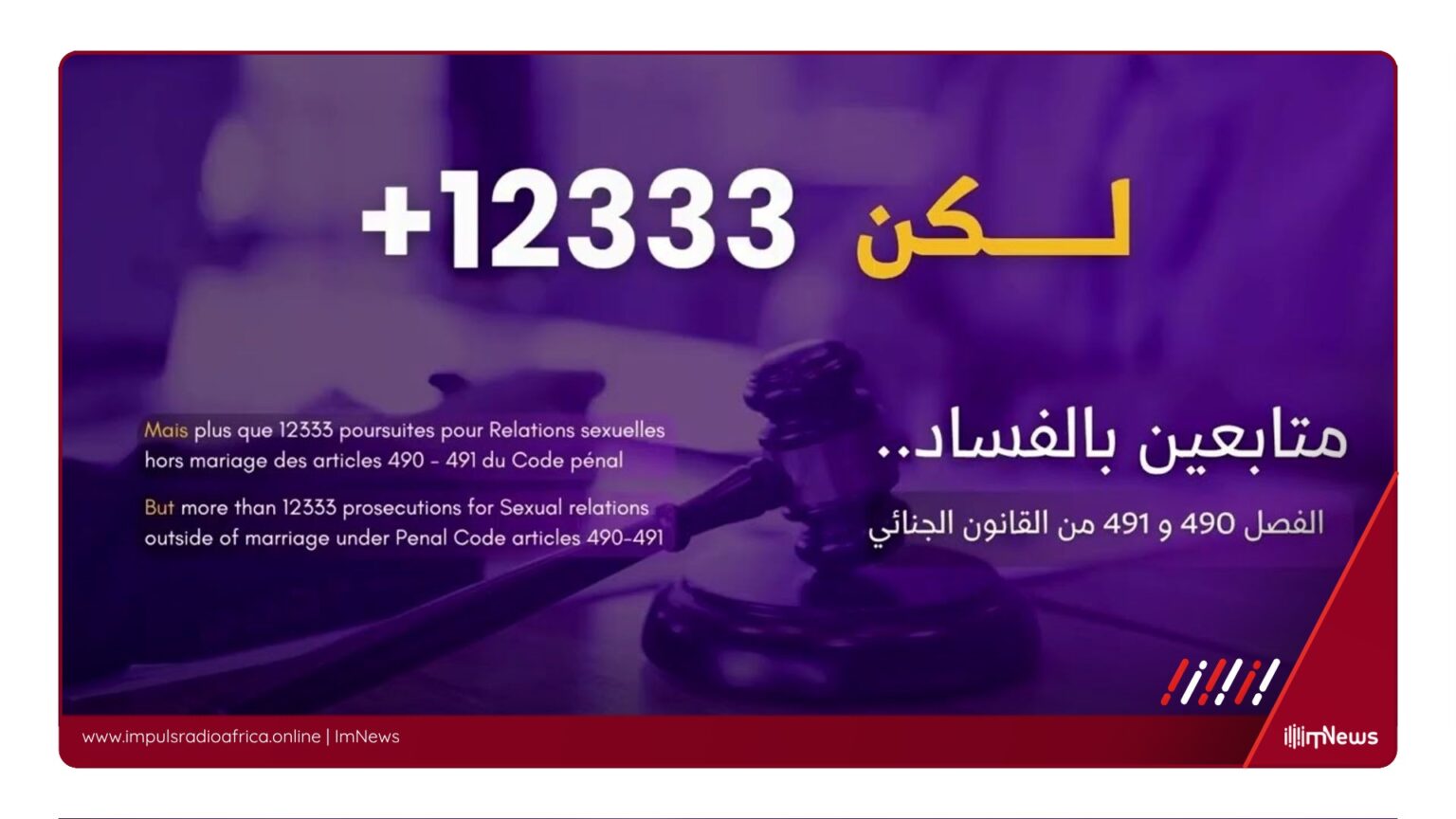
The association’s recent video exposes the low rate of prosecutions in cases of violence against women, despite the enactment of Law 103. 13 in 2018. This law was designed to address all forms of violence, including physical, psychological, economic, and sexual.
The data, which reflects the impacts of Law 103. 13 since its introduction, reveals a concerning trend. Out of a total of 2,568 prosecutions for violence resulting in more than 20 days of incapacity, only 15 were for sexual harassment in the workplace.
This discrepancy underscores the need for a more aligned legal framework with the objectives of Law 103. 13, a point repeatedly emphasized by women’s rights groups.
The MRA’s reports from 2022 and 2024 both argue that current legal provisions may inadvertently discourage reporting and protect victims.
The High Commission for Planning’s 2019 National Survey on Violence Against Women and Men found that at least 57% of women have experienced violence, yet only 10. 5% report their complaints to authorities.
The United Nations has cited the fear of being shamed, the lack of trust in the justice system, and lengthy investigations as key deterrents for women seeking help. Morocco’s National Human Rights Council (CNDH) has previously described violence against women as the most widespread human rights violation globally, with estimates suggesting that around 140 women and girls are killed every day. Despite these alarming figures, the country is taking steps to address the issue.
Morocco’s Minister of Solidarity, Social Integration and Family, Naima Benyahia, announced the launch of a new care unit aimed at bolstering legal and institutional support for victims. This move comes as rights groups and governmental bodies push for more action to protect women and girls against discrimination and harassment. Public opinion is also on the side of increased protection.
Data from Afrobarometer last year indicated that 76% of Moroccans believe that police and courts should do more to safeguard women and girls.
The ongoing disparity between reported cases of violence and prosecutions nearly a decade after the implementation of Law 103. 13 underscores the need for a more cohesive legal approach and enhanced support for victims.
*Additional reporting by ImNews | Sources consulted: 5*
—
By This original article was produced by the ImNews editorial team
Source: moroccoworldnews
Source: Audrey Rose Davis