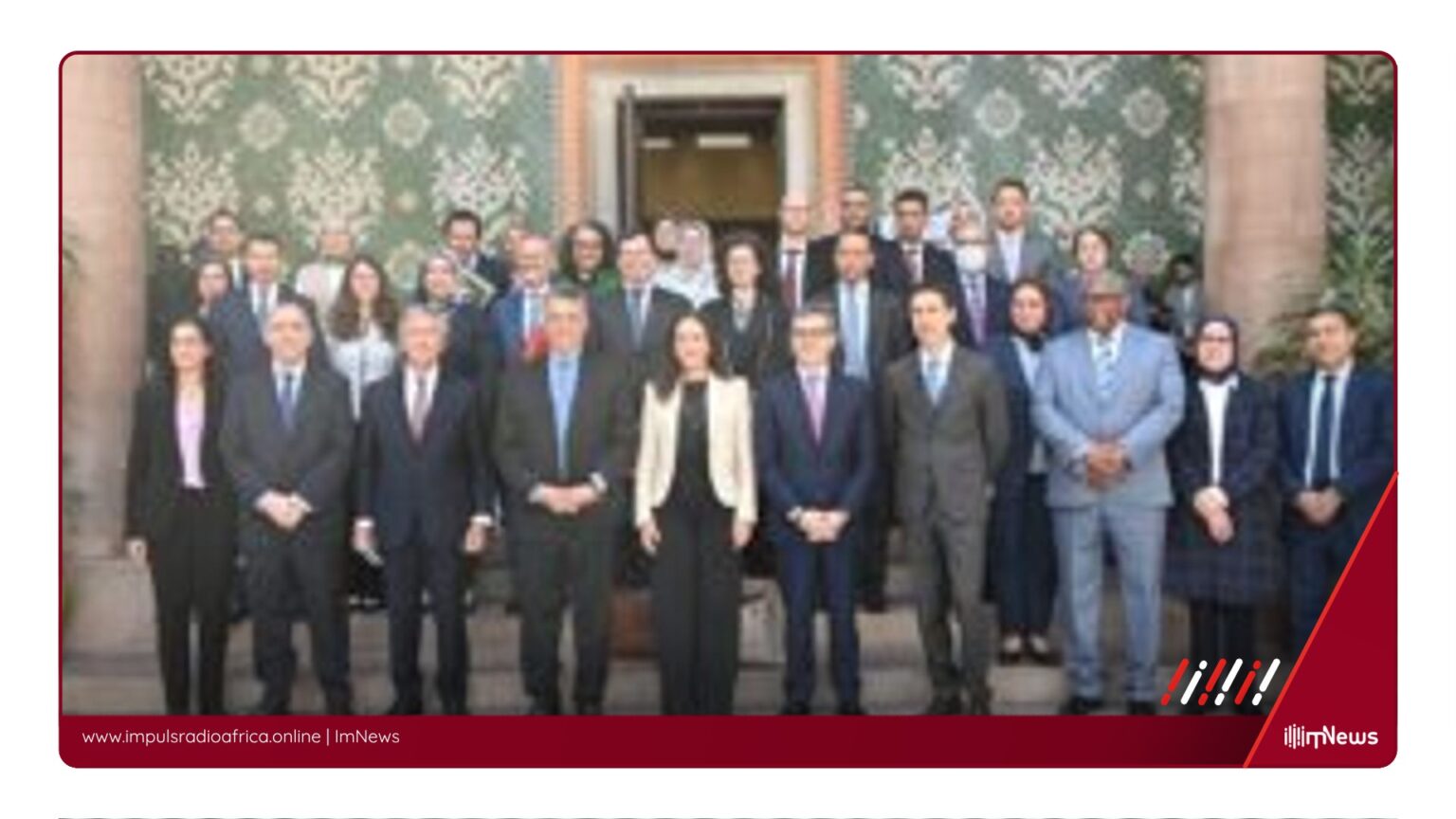
In a landmark move that promises to redefine international judicial cooperation, Morocco, Spain, and Portugal inked a comprehensive memorandum of understanding and a 2026-2030 action plan. The historic agreement was sealed at Morocco’s Ministry of Justice headquarters in Rabat, marking a significant step forward as the trio prepares to co-host the 2030 World Cup. This unprecedented collaboration is set to become the first World Cup to span both Europe and Africa, and it has sparked a strategic effort to bolster legal and judicial frameworks across the three nations.
Moroccan Justice Minister Abdellatif Ouahbi, Spain’s Minister of the Presidency, Justice and Parliamentary Relations Félix Bolaños García, and Portugal’s Justice Minister Rita Alarcão Júdice were among the dignitaries present at the signing ceremony. The agreement is a response to the unique challenges posed by the upcoming tournament, aiming to establish a robust legal infrastructure that will support its organization. Key aspects of this framework include enhancing cooperation in international judicial assistance, governance for major events, and the advancement of digital justice systems.
The deal also targets the development of strategies to combat cross — border cybercrime and the promotion of alternative dispute resolution methods. Recognizing the necessity for a coordinated approach, the plan outlines efforts to train and strengthen human resources within the legal and judicial sectors of all three countries. This collaboration is expected to create a stable legal environment, facilitate investment, and improve the business climate surrounding the World Cup.
Abdellatif Ouahbi emphasized Morocco’s dedication to constructing a shared legal framework capable of addressing the demands of hosting such a monumental event. He highlighted the initiative as a collective endeavor to establish an efficient and progressive model of judicial cooperation. Similarly, Rita Alarcão Júdice underscored the strength of the partnership between the three countries and its role in addressing legal complexities associated with the tournament while safeguarding the rights of all involved. Félix Bolaños García echoed the sentiment, emphasizing the importance of effective judicial mechanisms for organizing an event of this magnitude.
As Morocco embarks on its journey to host the World Cup, the nation has been investing substantially in infrastructure, including the construction of stadiums, transport networks, and tourism facilities, to meet international standards. The tournament is poised to bring substantial economic benefits, increase tourism, and elevate Morocco’s global standing. However, it also necessitates robust coordination in security, transport, and legal systems, underscoring the significance of agreements like the newly formed judicial cooperation deal.
Source: moroccoworldnews
Original author: Sara Zouiten