In Morocco, the vibrant atmosphere of the livestock markets is a testament to the nation’s economic and agricultural recovery as the Eid al-Adha celebration approaches.
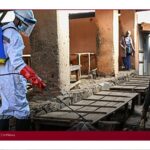
The resumption of these bustling markets in Aïn Aouda, near Rabat, has been a welcome sign for traders and customers alike.
The country’s national herd, which once stood at 23 million animals, has surged to 41 million, thanks to successful conservation efforts. This increase has not only reduced the need for imports but also preserved local breeds.
The upward trend in livestock numbers has been attributed to various factors, including supportive government policies and sustainable practices. Despite concerns over rising feed costs, prices for Sardi rams, a popular choice during Eid al-Adha, are soaring, reaching up to 750 euros. This high demand and varied prices reflect the festival’s deep cultural and religious significance.
Moroccan Minister of Agriculture highlighted the government’s commitment to ensuring a sufficient supply of livestock for the Eid celebration, emphasizing the comprehensive approach taken, including temporary markets and veterinary services.
The Ministry’s proactive measures, such as the registration of breeding units and health monitoring, are contributing to the thriving market scenario.
In the aftermath of last year’s cancellation of the livestock markets—a decision made to preserve national herds amidst economic and environmental challenges—the industry is now showing signs of robust recovery.
The revival of the livestock markets is more than a symbol of economic stability; it underscores the resilience and commitment of Moroccans to their cultural heritage.
As the nation gears up for Eid al — Adha, the livestock markets’full strength signals a hopeful outlook for the country’s continued sustainable development.
*Additional reporting by ImNews | Sources consulted: 5*
—
This original article was produced by the ImNews editorial team
Source: Africanews
Source: Rédaction Africanews