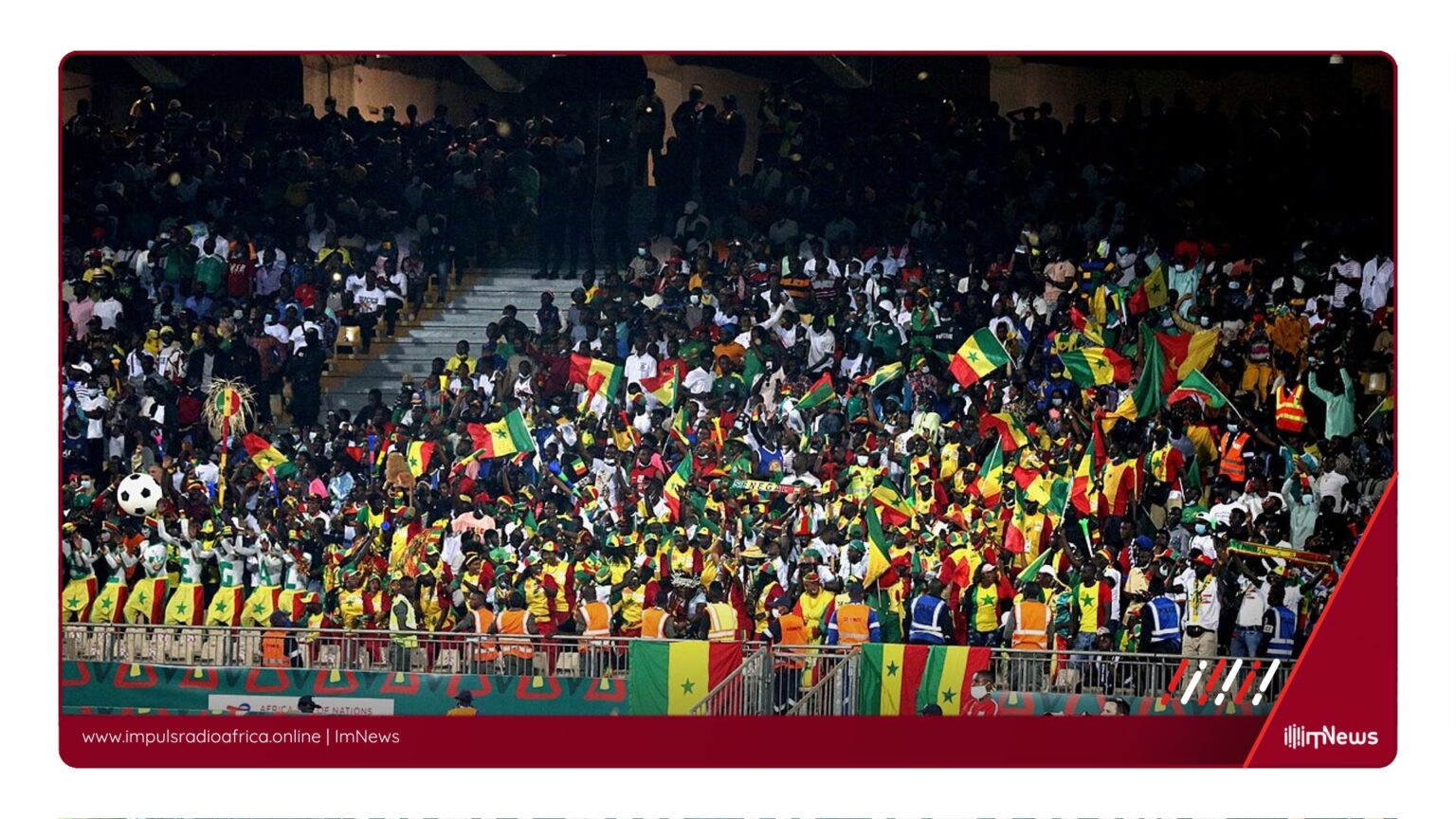
The Rabat appeals court finally delivered its verdict on Monday, April 13th, marking the conclusion of a judicial saga that has spanned over a year, concerning 18 Senegalese football supporters detained in Morocco following disturbances at the CAN 2025 final. The sentences handed down have been severe, generating controversy across the Atlantic, with penalties ranging from six months to five years in prison.
The Rabat court did not mince its words, categorizing the accused into three groups. The leaders of the unrest, numbering twelve, received prison sentences of two to five years for rioting and serious destruction. They were immediately returned to their cells following the announcement of the verdict.
Another thirty active participants were sentenced to between six and eighteen months in prison. Finally, twenty-six individuals deemed as spectators or passive supporters were fined between 2,000 and 10,000 dirhams (approximately 200 to 1,000 euros), with suspended sentences. They must leave Morocco within forty-eight hours.
Fifteen of the accused were released on bail, a move interpreted as a diplomatic gesture to ease tensions. However, they are not allowed to leave Moroccan territory for six months and must regularly report to authorities. Their ultimate fate remains uncertain. Meanwhile, families gathered in Dakar in front of television screens reacted with a mix of relief for those returning and anger for those left behind.
The Senegalese government was swift to react, denouncing “disproportionate sentences “in a statement released on Monday evening. It highlighted that the incidents occurred in a context of provocation and that the responsibility for the crisis was shared. Protest demonstrations erupted in Dakar on Monday evening outside the Moroccan embassy, with hundreds of young people chanting slogans demanding the immediate release of the detainees. The police intervened to disperse the crowd peacefully, but tension remained palpable in the capital.
On the Moroccan side, the Attorney General of Rabat justified the severity of the sentences by emphasizing the need to “protect public order “and send a clear message against any form of violence in stadiums. He pointed out that police officers were injured and significant material damage was recorded in the city center of Rabat after the match.
The Moroccan National Human Rights Council, which closely followed the case, stated that the trial was conducted in accordance with the principle of innocence until proven guilty and that each accused had been represented by a lawyer. This verdict brings an end to a judicial process that lasted over fourteen months. However, it may not be the final word.
Defense lawyers have already announced their intention to appeal to the Supreme Court. Meanwhile, the Senegalese Football Federation continues to pursue arbitration at the Court of Arbitration for Sport regarding the conduct of the final itself. As it stands, the diplomatic ball is now in the court of Senegal and Morocco, who must manage the political consequences of this case that has deeply divided public opinion in both countries.
Source: afrikmag
Original author: AfrikMag