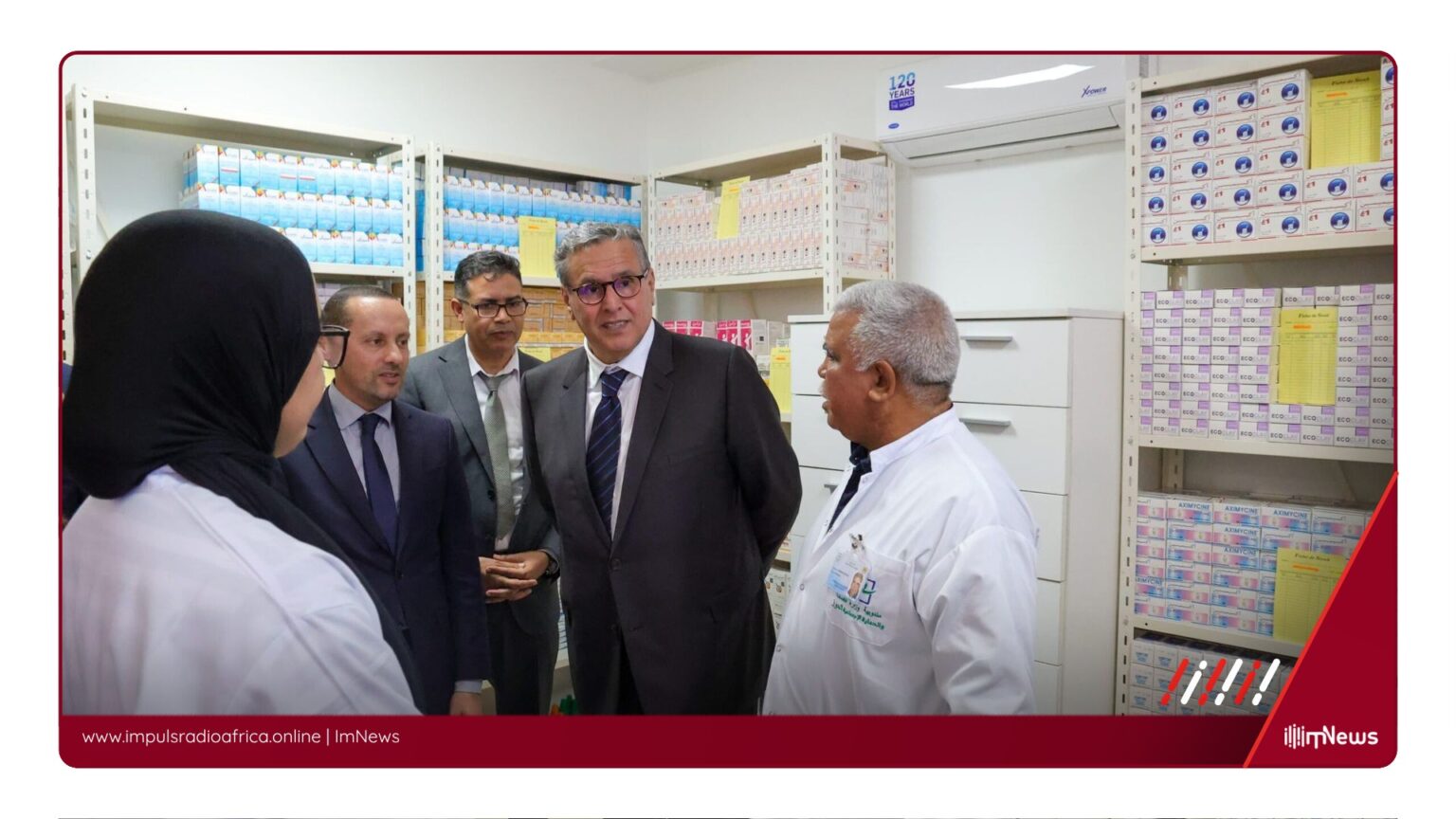
Casablanca — The Ministry of Health and Social Protection in Morocco has announced the completion of a significant nationwide program aimed at rehabilitating 1,400 primary healthcare facilities. This marks one of the largest overhauls of frontline health services in the country in recent years. The announcement followed the official launch of services at the Ait Ourir proximity hospital and the level-two rural health center of Tazart in Al Haouz province, which served as the final step in closing the government-led program.
The milestone comes at a time when Morocco’s health system is under intense public scrutiny, following months of protests and renewed debate over hospital conditions and the quality of medical training. In late 2025, youth-led demonstrations in several cities renewed pressure on authorities over outdated medical equipment, shortages of specialists, and uneven access to care, particularly outside major urban centers. The debate followed a prolonged medical student crisis that had already raised concerns over reduced clinical hours, overcrowded training environments, and the system’s capacity to absorb ongoing reforms.
Spread across all 12 regions of the country, the project involved a total investment of more than MAD 6. 43 billion and has already benefited over 20 million people in both urban and rural areas. The government has pledged that the facilities received more than simple renovations, including infrastructure upgrades.
The upgrade also covered newer medical equipment and expanded digital systems through the rollout of an integrated information platform. Health officials say these changes are already helping streamline patient movement, improve service quality, and reduce pressure on hospitals by strengthening primary care as the first stop in the treatment journey.
In regions such as Fez — Meknes, which led with 229 rehabilitated facilities backed by more than MAD 1. 02 billion, and Souss-Massa, which recorded 183 sites, the impact of the program was significant. Marrakech-Safi saw 139 facilities upgraded, compared with 143 in Beni Mellal-Khenifra.
In Rabat — Sale-Kenitra, 90 facilities were covered, while Casablanca-Settat had 111 and Tanger-Tetouan-Al Hoceima 127. The southern regions were also included, with 31 facilities rehabilitated in Laayoun-Sakia El Hamra, eight in Dakhla-Oued Eddahab, 119 in Guelmim-Oued Noun, and 56 in Draa-Tafilalet.
Source: moroccoworldnews