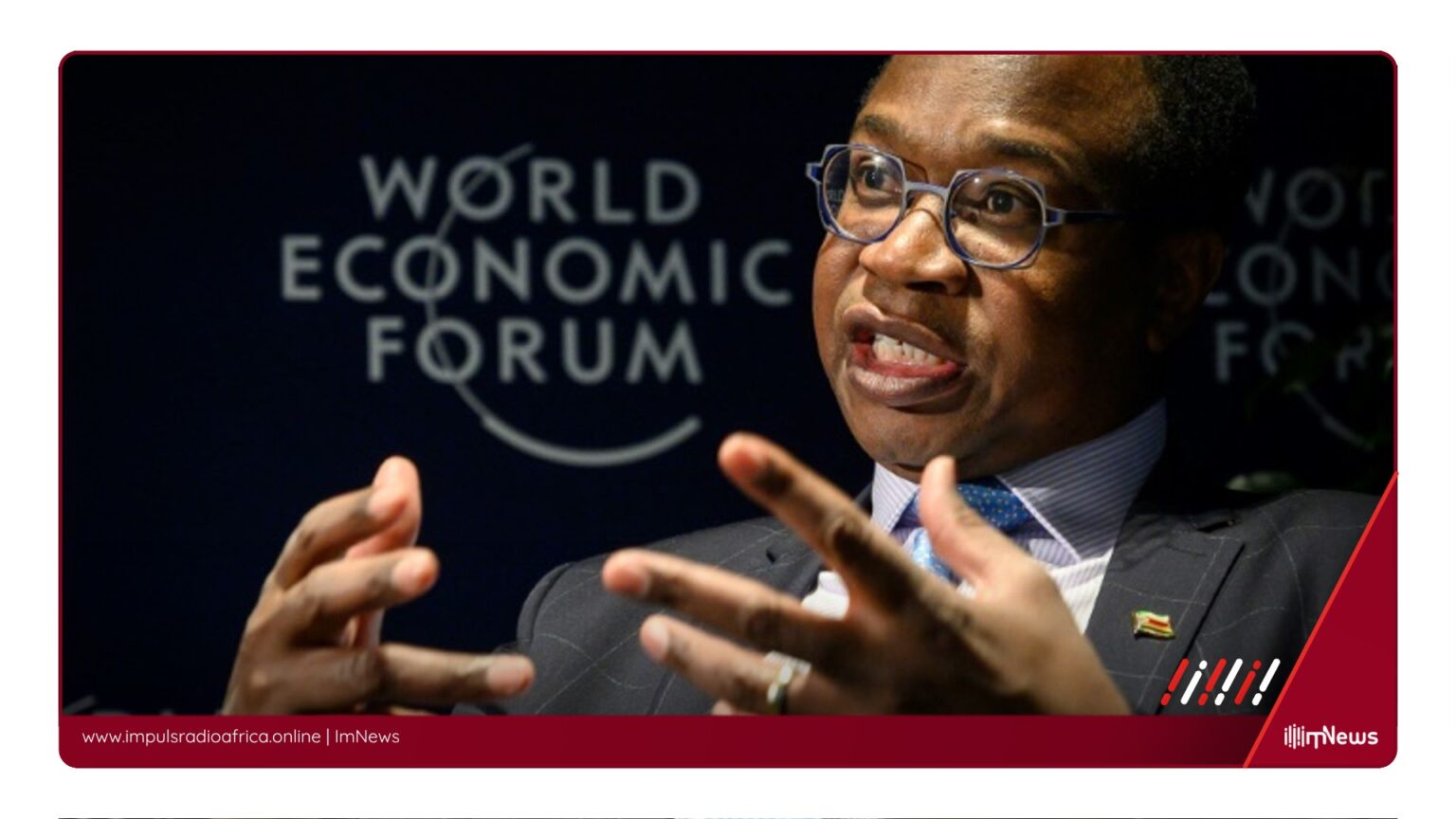
Zimbabwe Eyes Lithium — Backed Debt to Bolster Infrastructure, Aligning with China’s Investment Push BODY: Harare, Zimbabwe – Zimbabwe’s Finance Minister Mthuli Ncube has disclosed ongoing talks with China Railway Group regarding resource-backed financing arrangements, targeting crucial transport infrastructure development. This move is a strategic pivot for Zimbabwe, Africa’s leading lithium producer, to convert its natural resource wealth into much-needed infrastructure, particularly in the realms of roads and rail.
The nation, which exported approximately 1. 13 million metric tons of lithium-bearing spodumene concentrate to China in 2025, is a key player in the global battery supply chain. Chinese investment in Zimbabwe’s lithium sector has exceeded $2 billion, reinforcing the country’s significance as a source of battery minerals.
This partnership, however, has also raised policy questions for Harare, regarding the conversion of mineral wealth into tangible economic gains. Under the proposed model, Zimbabwe plans to use future earnings from its natural resources to repay loans linked to specific infrastructure projects. This approach is not unprecedented in Africa, with countries like Angola and the Democratic Republic of Congo having utilized similar strategies for infrastructure reconstruction.
The African Development Bank estimates that Zimbabwe requires around $34 billion to modernize its transport and logistics networks, a challenge exacerbated by the country’s infrastructure deficit. Poor rail capacity, for instance, has increased logistics costs and dependence on roads, impacting mining companies and their exports. Critics, however, caution that resource-backed deals can result in increased debt risks and diminished transparency.
Zimbabwe’s existing debt arrears, which have limited access to official financing, add an additional layer of concern.
In a bid to retain more value within the country’s lithium industry, Zimbabwe is also set to enforce a ban on lithium concentrate exports in January 2027.
The government aims to compel miners to process more lithium locally, which is already being addressed by entities like Zhejiang Huayou Cobalt and Sinomine Resource Group.
The success of Zimbabwe’s strategy to harness its lithium reserves for infrastructure development hinges on commodity prices, contract transparency, debt management, power supply, and the development of new processing capacity. For China, these talks present an opportunity to strengthen its position in Africa’s critical minerals sector while intertwining mining investments with infrastructure development.
*Additional reporting by ImNews | Sources consulted: 5*
—
This original article was produced by the ImNews editorial team
Source: Africa.businessinsider
Source: Ayodeji Adegboyega