

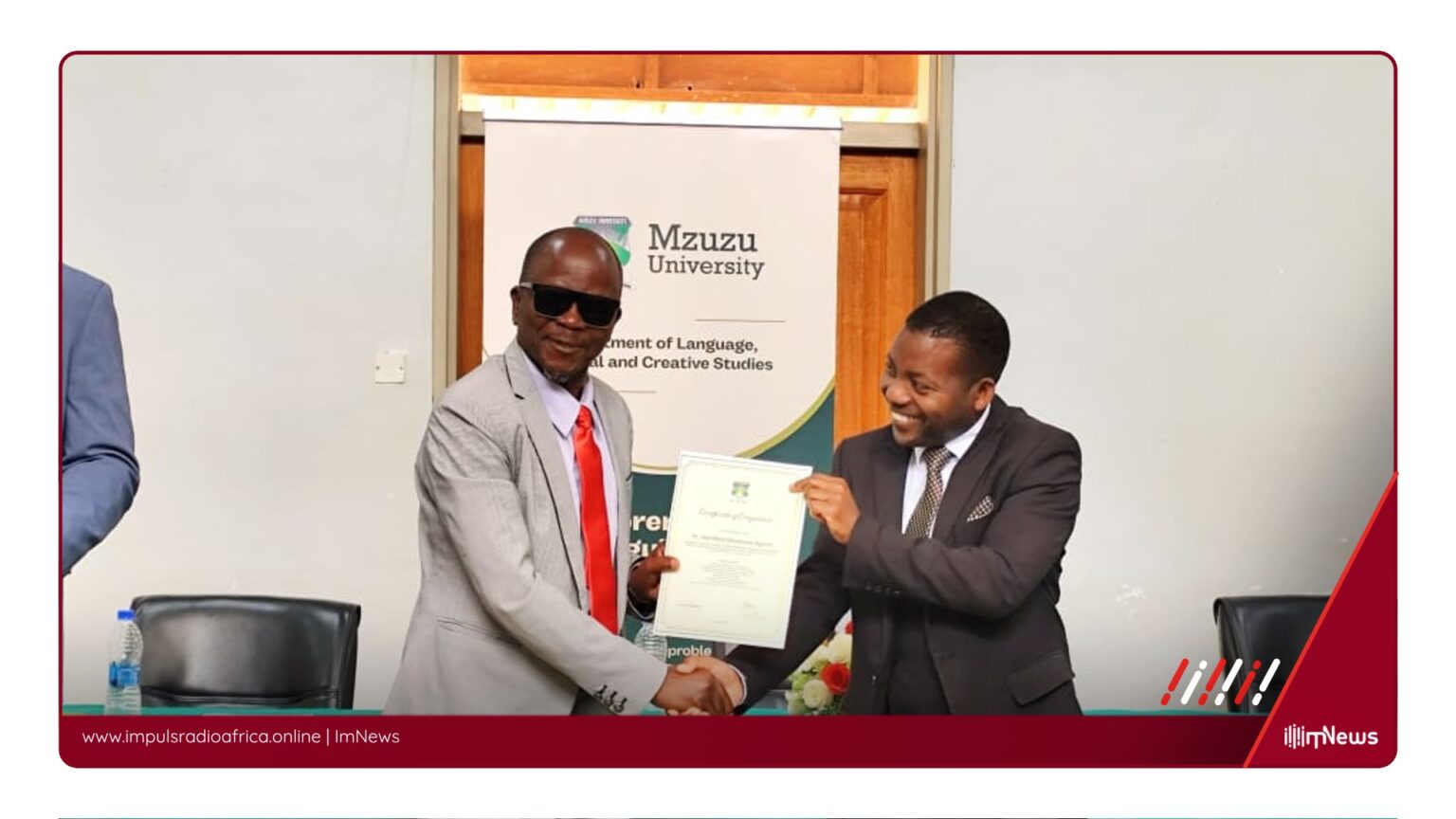
Mzuzu, Malawi — A significant stride in enhancing the administration of justice in Malawi has been achieved with the completion of specialized training for court personnel. This program, conducted at Mzuzu University, was designed to refine the accuracy, professionalism, and efficiency of court proceedings. Key areas of focus included legal interpretation, translation, records management, professional ethics, note-taking, and the transcription of court proceedings.
The training aimed to equip court staff with the practical skills necessary to manage the growing complexity of legal matters. High Court Judge Thomson Ligowe emphasized that enhancing the capacity of court staff would foster better communication between judicial institutions and the public. He highlighted the importance of effective interpretation and the precise handling of court information to ensure that justice system participants fully understand proceedings and are adequately represented.
In Malawi, where court proceedings often involve multiple languages, complex legal terminology, and technical evidence, the accuracy of communication is paramount. Errors in interpretation or translation can significantly impact the understanding of evidence, submissions, and judicial decisions. Deputy Dean Joshua Kumwenda of the Faculty of Humanities and Social Sciences at Mzuzu University noted that previous weaknesses in court interpretation had raised concerns about the quality of justice delivery.
He cited the 2019 Presidential Election Case as an example of the critical role of professional interpretation and translation within the judicial system.
The training program went beyond language proficiency, addressing skills such as accurate note — taking, transcription, records management, and ethical conduct. Proper records management is crucial, as court documents and transcripts are official records of judicial proceedings. Accuracy in transcription is vital, as errors can create challenges during case reviews, appeals, or further judicial scrutiny.
Participant Morris Zgambo expressed that the program had bolstered his ability to handle complex legal terminology and specialized subjects.
The training provided practical knowledge to assist court personnel in interpreting technical concepts, including evidence from various scientific and technical fields.
The initiative also underscored the role of universities in fortifying public institutions through specialized professional education. Ensuring that the skills acquired are consistently applied across the country is the current challenge. Continuous professional development may be necessary as court personnel encounter new evidence, technologies, and complex legal disputes.
This training comes at a time when public confidence in judicial institutions is closely tied to the accessibility, efficiency, and fairness of justice.
*Additional reporting by ImNews | Sources consulted: 5*
—
This original article was produced by the ImNews editorial team
Source: Panafricanvisions
Source: Pan African Visions