Chad’s Humanitarian Crisis: A Closer Look at Displacement and Assistance Efforts DATELINE: N’Djamena, Chad — June 23, 2026 LEAD: As of May 2026, Chad faces a daunting humanitarian landscape, with approximately 3. 4 million people in need of assistance, marking a significant decrease from the 2025 target of 5. 5 million.
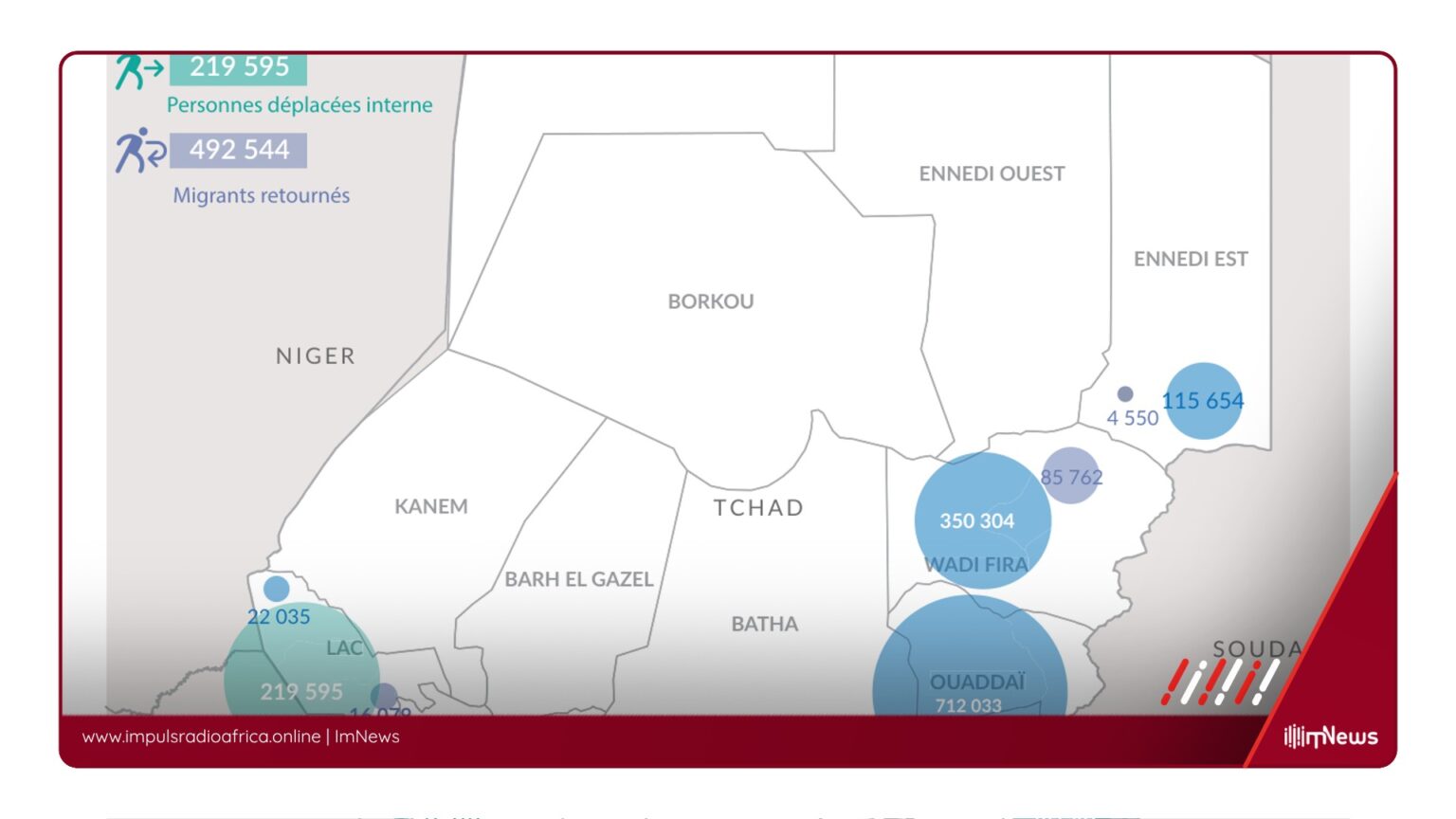
The United Nations High Commissioner for Refugees (UNHCR) reports that the country hosts 1,531,851 refugees and an additional 219,595 internally displaced persons (IDPs), reflecting the complex interplay of conflicts, mass displacement, and recurrent climate shocks. NUT GRAF: This feature delves into the root causes of displacement, the challenges faced by those affected, and the strategies being implemented by the government and humanitarian agencies to address the crisis. It also examines the distribution of IDPs across Chad and the specific measures being taken to improve living conditions.
Chad’s humanitarian crisis is a multifaceted issue, driven by persistent conflicts, particularly in the Lake Chad Basin, mass influx of refugees from Sudan, and recurrent climate shocks such as floods and droughts.
The country’s economic growth has been moderate, but high poverty rates and chronic insecurity have exacerbated the situation, with an estimated 45. 4% of the population living in poverty and 9.
5 million in extreme poverty.
The UNHCR’s Humanitarian Needs and Response Plan (HNRP) for 2026 indicates a strategic prioritization of resources to focus on the most severe needs. This approach reflects a rationalization of assistance efforts, concentrating on the most critical areas rather than a broad distribution.
However, the specific causes of displacement and the challenges faced by returnees are not explicitly detailed in the provided sources.
The distribution of IDPs across Chad is a critical aspect of the crisis. While the exact numbers and distribution patterns are not provided, it is clear that the impact is widespread.
The most pressing needs within these groups include access to basic services such as healthcare, education, and shelter, as well as protection from violence and exploitation.
The Tchad Humanitarian Needs and Response Plan (HNRP) 2026 outlines key strategies to address the needs of 4. 6 million people requiring urgent assistance.
These strategies include improving access to basic services, supporting livelihoods, and enhancing resilience to future shocks.
However, the effectiveness of these strategies will depend on the availability of resources and the security situation in the affected areas.
The current state of security in the Lake Chad Basin is a significant concern.
The instability in the region has a direct impact on the displacement of populations and the ability of humanitarian agencies to operate effectively.
The situation is further complicated by the presence of non — state actors and the potential for intercommunal violence. KICKER: The humanitarian crisis in Chad is a complex and evolving situation that requires a comprehensive and coordinated response.
While the government and humanitarian agencies are taking steps to address the crisis, the challenges are significant.
The future of the affected populations depends on the success of these efforts and the ability to create a sustainable and peaceful environment in Chad.
*Additional reporting by ImNews | Sources consulted: 4*
—
This original article was produced by the ImNews editorial team
Source: reliefweb
Source: UN High Commissioner for Refugees