
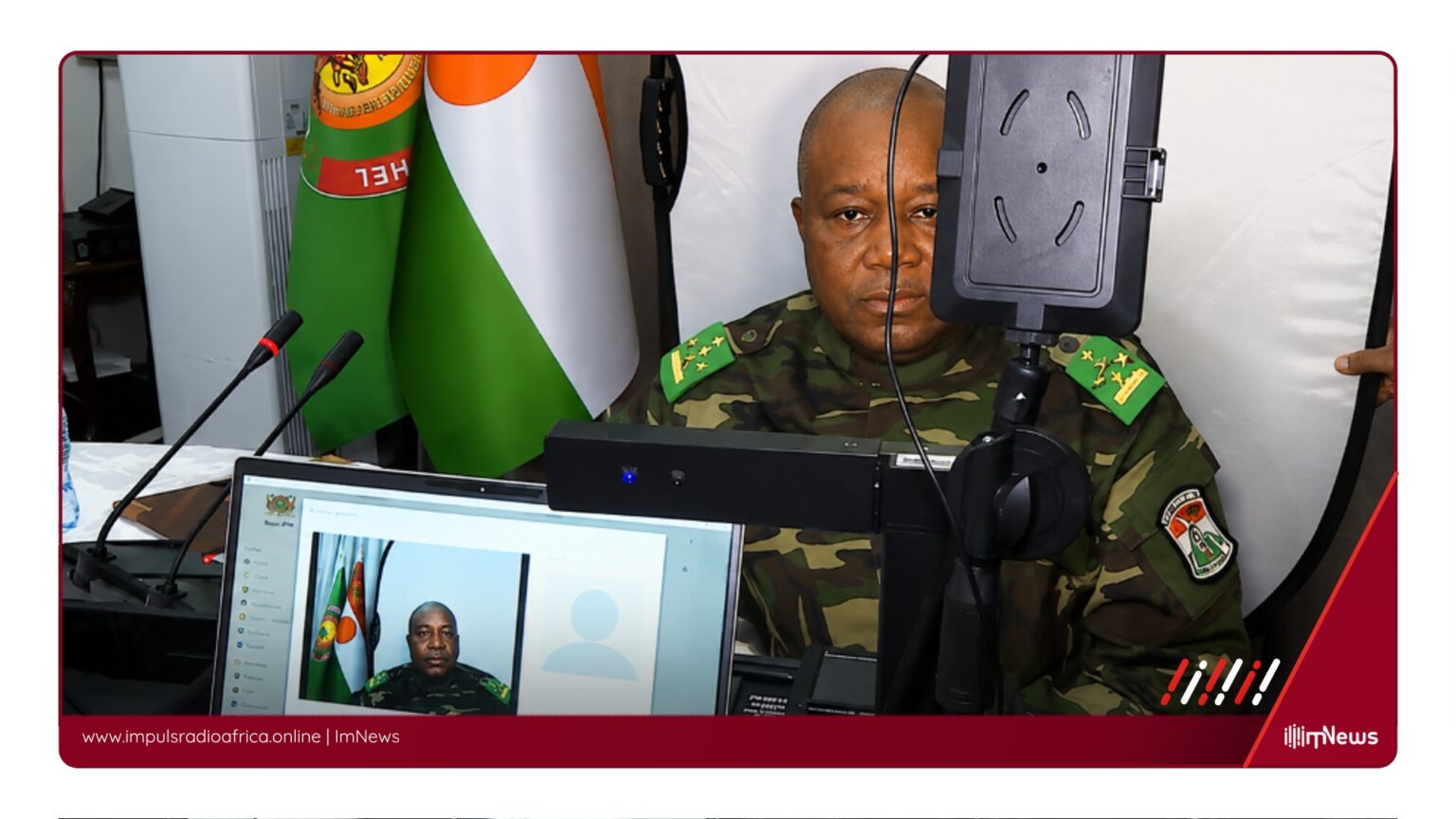
City, Niger — President Abdourahamane Tiani of Niger has officially enrolled for the country’s new Alliance of Sahel States (AES) biometric passport, marking a significant development in the region’s push for integration.
The AES biometric passport, designed to harmonize specifications with Burkina Faso and Mali, is part of broader efforts to modernize travel documents, enhance security, and facilitate movement among member states.
The enrollment took place at the Presidency during the presentation of the official brochure for Niger’s new biometric passports. This initiative follows Niger’s departure from the Economic Community of West African States (ECOWAS) and the formation of the AES, along with Burkina Faso and Mali.
The rollout of the biometric passport is the latest milestone in the Sahel bloc’s efforts to strengthen regional integration. It complements a wider agenda by the AES to develop common institutions, announced after the three military-led governments formally established the confederation in 2025. Niger has also been rolling out other harmonized identity documents, including the AES biometric national identity card, which was introduced in March 2026.
The prime minister, Ali Mahamane Lamine Zeine, was enrolled shortly after President Tiani.
The new biometric passport is expected to enhance document security and support the AES’s ambition of creating a more integrated regional mobility framework. This initiative aims to reduce reliance on external travel systems and reinforce cooperation among the Sahel nations.
*Additional reporting by ImNews | Sources consulted: 5*
—
This original article was produced by the ImNews editorial team
Source: Africa.businessinsider
Source: Solomon Ekanem