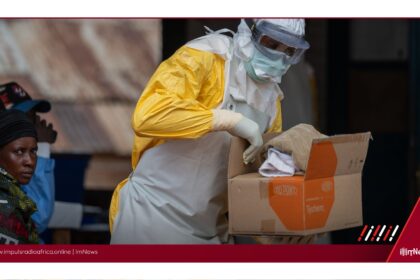

Niamey, Niger — July 15, 2026 In a region where natural disasters, armed conflicts, and health emergencies are prevalent, Niger’s Mécanisme de Réponse Rapide (RRM) serves as a critical support system for the country’s vulnerable populations.
The RRM, a network of dedicated actors and pre — positioned aid materials, is instrumental in providing immediate assistance during emergencies. Its swift response capability complements broader humanitarian efforts and state structures, operating within the established coordination architecture as part of the Humanitarian Response Plan. Niger, a landlocked Sahelian state, confronts challenges such as military rule, a worsening security crisis, and rapid population growth.
With over half of its 27. 5 million population being children and a significant rural populace, the country’s exposure to emergencies is amplified.
The Government of Niger views the RRM as a vital complement to state structures and the broader humanitarian response. Organizations like Action Contre la Faim France echo this perspective, emphasizing the importance of the RRM in offering immediate assistance during emergencies.
The operational framework of the RRM encompasses the pre — positioning of aid materials, established processes, and dedicated capacities to address humanitarian emergencies promptly. This includes responses to armed conflicts, natural disasters, or epidemics, ensuring affected populations receive basic assistance swiftly.
As a crucial component of Niger’s disaster risk reduction and emergency response strategy, the RRM is designed to bolster the country’s resilience to crises. It ensures that the most vulnerable populations receive essential support during their most critical times.
The United Nations Office for the Coordination of Humanitarian Affairs (OCHA) has offered insights into the RRM’s operational phases, highlighting its structured and systematic approach to emergency response.
As Niger faces complex challenges, the RRM stands as a beacon of hope and support for those affected by emergencies, crucial in mitigating crisis impacts and safeguarding the well — being of Niger’s most vulnerable populations.
*Additional reporting by ImNews | Sources consulted: 5*
—
This original article was produced by the ImNews editorial team
Source: reliefweb
Source: Action contre la Faim France