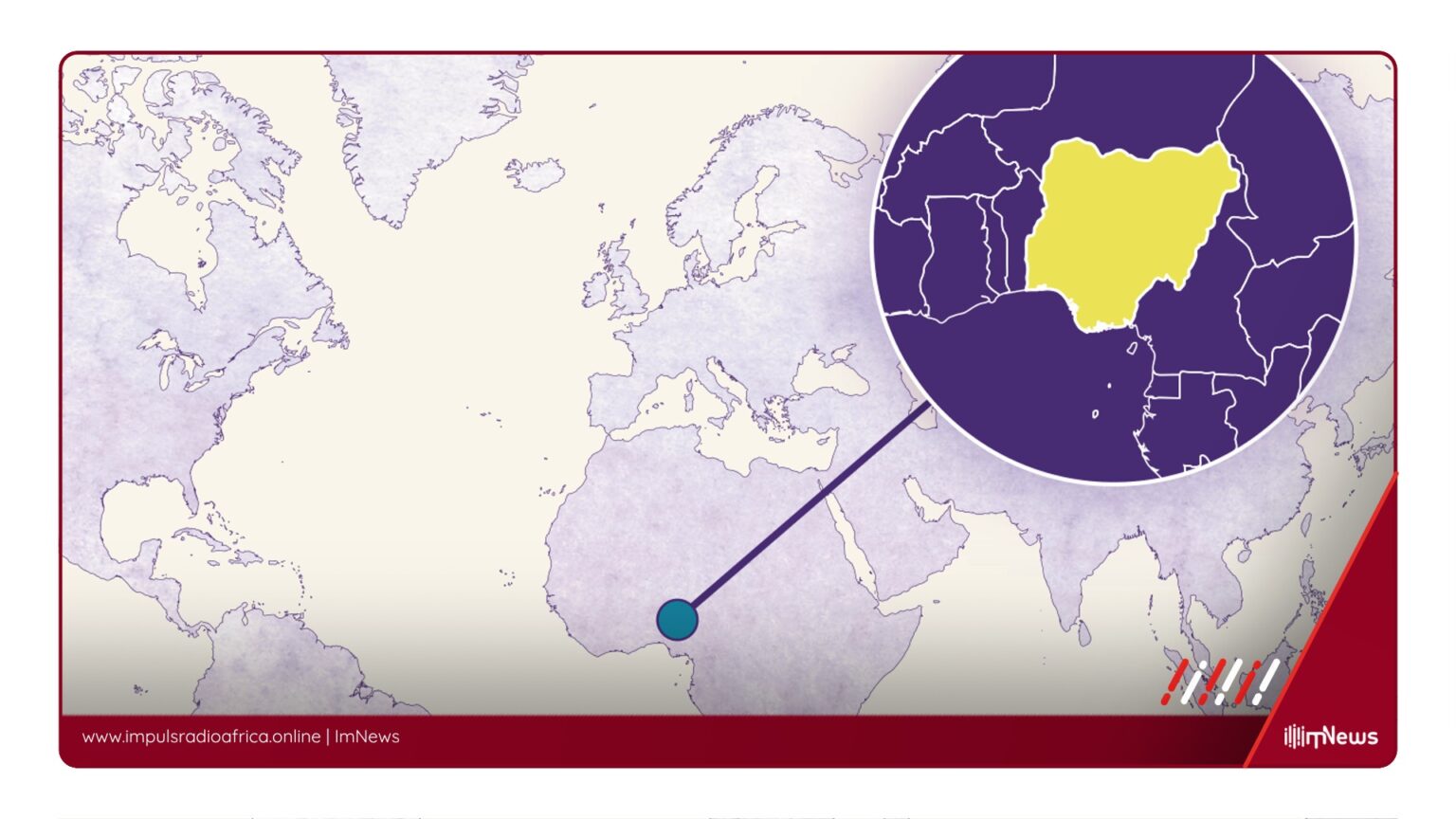
Lagos, Nigeria — In 2025, Nigeria’s health sector faced a harrowing surge in violence targeting healthcare facilities and workers, highlighting a crisis within an already strained healthcare system.
In Zamfara state, where communal militia violence is prevalent, attacks on healthcare facilities nearly tripled. Despite a decrease in reported incidents in Borno, Adamawa, and Yobe states, the total number of attacks in Nigeria exceeded the previous year’s figures.
The Safeguarding Health in Conflict Coalition (SHCC) documented a total of 2,546 incidents of violence against or obstruction of healthcare in 33 countries, with Nigeria accounting for a significant portion.
The violence was not confined to physical attacks on hospitals and clinics; it also targeted health workers, including the abductions of health workers in areas known for profit-driven kidnappings.
The plight of maternal health was particularly dire.
A raid on a nursing and maternity center in Kaduna state led to the abduction of a health worker, a security guard, and several patients, including a nine — month pregnant woman and a nursing mother. Maternal mortality remains alarmingly high in northeast Nigeria. These attacks are particularly damaging to an already struggling healthcare system.
According to the UN Office for the Coordination of Humanitarian Affairs (OCHA), millions of Nigerians suffer from severe food insecurity and malnutrition.
The Joint Health Sector Unions (JOHESU) conducted a strike that further disrupted public health services across the nation. Christina Wille, Executive Director of Insecurity Insight, an SHCC member, highlighted the devastating impact of these attacks, while officials expressed concerns about the lack of accountability for the perpetrators. Despite the prohibition on attacks on healthcare under international humanitarian law, the situation shows that the perpetrators often evade justice.
The SHCC’s annual report calls for comprehensive measures to protect healthcare workers and facilities and holds accountable those responsible for the attacks.
As Nigeria faces the dual threats of violence against healthcare and an ongoing humanitarian crisis, the international community must act to safeguard healthcare workers and ensure the right to healthcare for all.
The urgency of this situation cannot be overstated, and continued vigilance and proactive efforts are essential to protect healthcare in conflict zones.
*Additional reporting by ImNews | Sources consulted: 5*
—
This original article was produced by the ImNews editorial team
Source: reliefweb
Source: Insecurity Insight