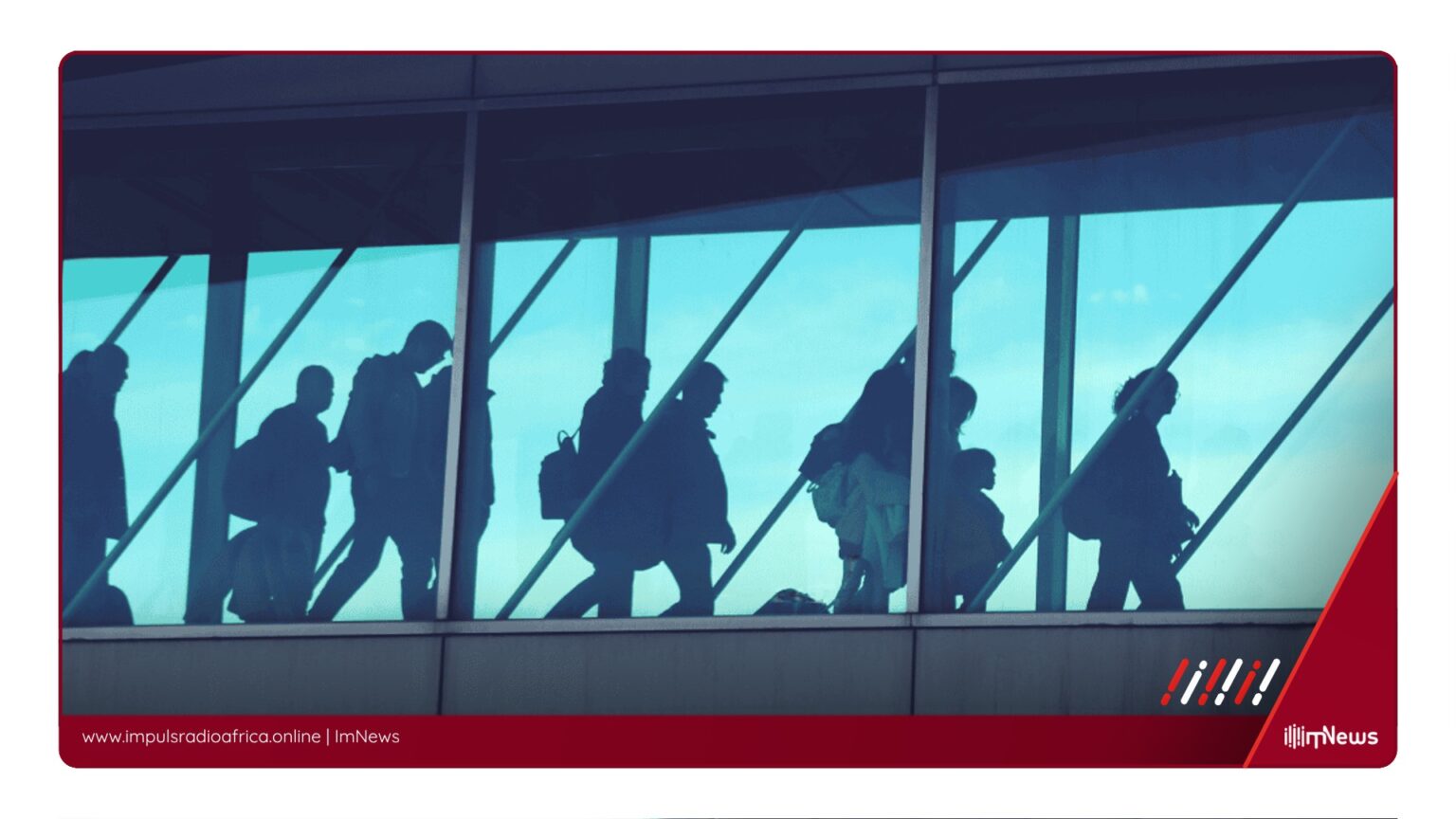
At least 130 Nigerians have registered for the voluntary repatriation scheme, as the number of registrants is expected to rise with the escalating fears of violence.
The recent outbreaks of anti — foreigner attacks, which resulted in the deaths of two Nigerians in late April, have prompted the Nigerian government to summon South Africa’s Acting High Commissioner and express profound concern. South Africa has historically grappled with xenophobia, often stemming from economic frustrations and perceptions that migrants compete for jobs and resources. This incident marks a significant strain in relations between Nigeria and South Africa, reminiscent of previous outbreaks in 2008, 2015, and 2019.
Nigerian officials have strongly condemned the violence and expressed deep concern for the safety of their citizens, with South African officials also condemning the violence but promising crackdowns on looting and rejecting broader claims of institutional xenophobia.
The Nigerian government’s decision to repatriate its citizens follows a series of attacks and threats targeting foreign nationals, particularly Nigerians. Many registrants for the evacuation are based in Durban, where anxiety has grown in recent weeks.
The emergency airlift is a precautionary measure aimed at protecting Nigerian citizens feeling unsafe amidst the rising tide of anti — immigrant sentiment. Nigerian officials have urged calm but acknowledged the concerns among their nationals, some of whom have begun preparing to leave.
As the situation unfolds, the Nigerian government remains committed to supporting its citizens abroad, advocating for justice, and working towards an end to the violence. This crisis underscores the complex challenges faced by African nations in the face of xenophobia and the necessity for regional cooperation to address these issues effectively.
*Additional reporting by ImNews | Sources consulted: 5*
—
This original article was produced by the ImNews editorial team
Source: africa
Source: NG Editor