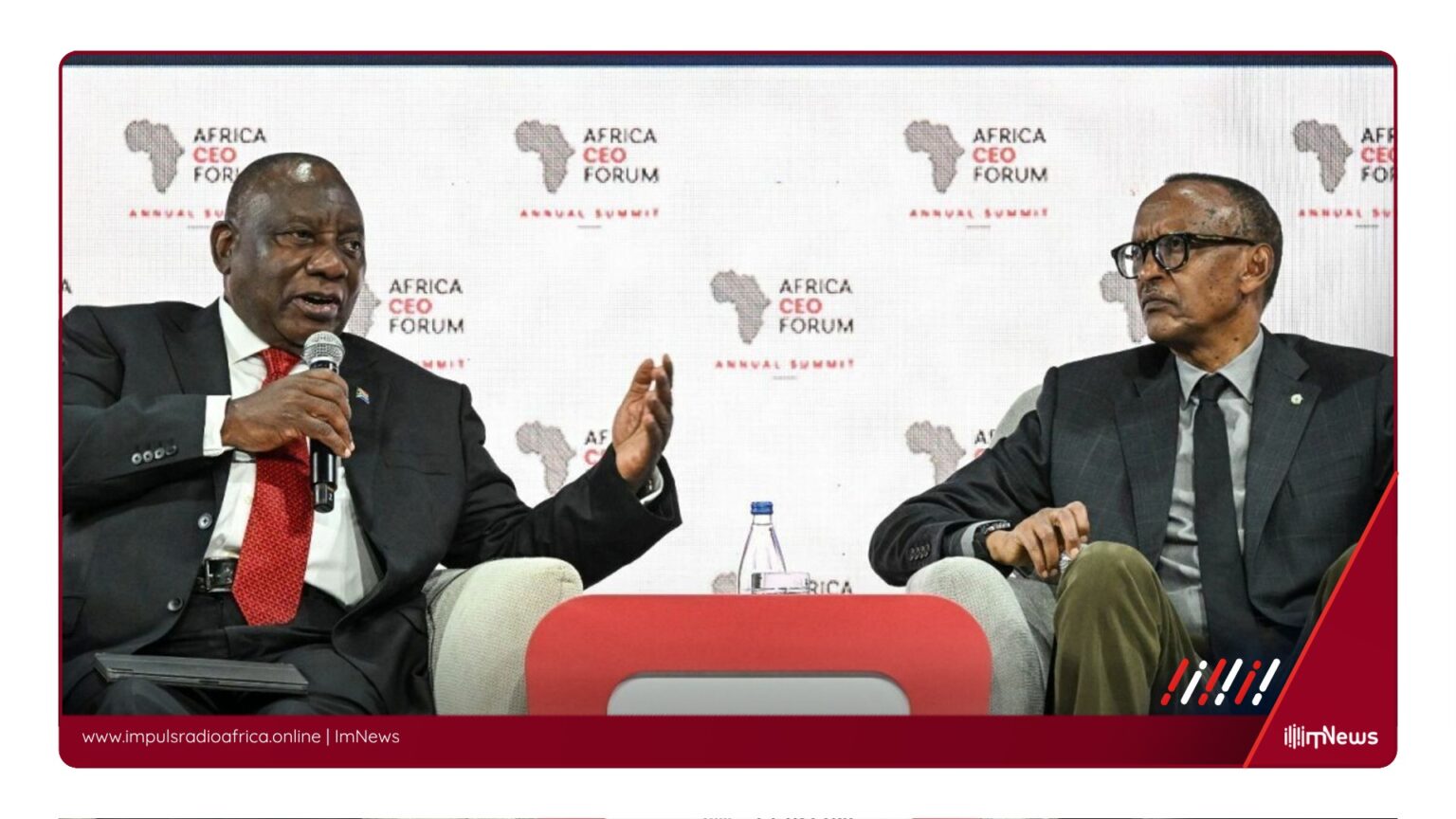
Pretoria, South Africa — In a significant development aimed at fostering regional integration and economic growth, Rwanda and South Africa have agreed to resume visa issuance for ordinary Rwandan passport holders within twelve months. This decision, reached during a high-level meeting between Rwanda’s Minister of Foreign Affairs and International Cooperation, Olivier J. P.
Nduhungirehe, and South Africa’s International Relations Minister, Ronald O. Lamola, marks a pivotal moment in the normalization of relations between the two nations.
The agreement, which comes after years of strained diplomatic ties, is expected to ease travel for tourism, business, and study purposes, thereby unlocking trade corridors that have been dormant.
The ministers reviewed progress made through diplomatic engagements and reaffirmed their commitment to deepening cooperation for mutual benefit.
The Joint Commission of Cooperation (JCC) will be revived, with Rwanda hosting the next session in early 2027, underscoring the countries’ dedication to furthering political, economic, and security cooperation. This move is seen as a positive step towards enhancing regional connectivity and potentially setting a precedent for other African nations to follow suit in easing visa requirements.
The visa breakthrough is a tangible outcome of the renewed partnership between Rwanda and South Africa, which seeks to promote peace, prosperity, and regional integration. It is also a testament to the countries’ efforts to move beyond past tensions and focus on pragmatic engagement. While the full normalization of diplomatic relations will depend on sustained political trust, this latest agreement suggests that both Pretoria and Kigali are prioritizing regional stability and economic growth over past disputes.
The long — term benefits of this move could be far-reaching, enhancing people-to-people mobility and fostering a more integrated regional economy.
*Additional reporting by ImNews | Sources consulted: 5*
—
This original article was produced by the ImNews editorial team
Source: Africa.businessinsider
Source: Solomon Ekanem