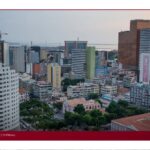
In Lagos, Nigeria, the economic impact of the Iran conflict is felt acutely as soaring fuel prices and inflation threaten the viability of small businesses.
The cost of fuel has doubled, from 800 naira to 1,400 naira per liter, significantly increasing operational costs and eroding profits. Oluwatosin Awodunmila, co-owner of a printing business in Somolu, faces the challenge of waiting for electricity and dealing with customer complaints about slow delivery, as the high cost of fuel makes running her business increasingly difficult.
The situation is exacerbated by Nigeria’s rising inflation, which reached 14. Despite the wage hike, many workers and small business owners find their real income is not keeping pace with the rising cost of living.
The challenges faced by businesses in Lagos are not isolated. They reflect a broader economic landscape that requires a comprehensive approach to address inflation, stabilize fuel prices, and support small businesses.
As the city grapples with these challenges, the next few months will be critical for businesses to find ways to mitigate the effects of rising fuel costs and inflation, and for the government to implement policies that can support economic stability and growth.
*Additional reporting by ImNews | Sources consulted: 5*
—
This original article was produced by the ImNews editorial team
Source: Africanews
Source: AfricaNews