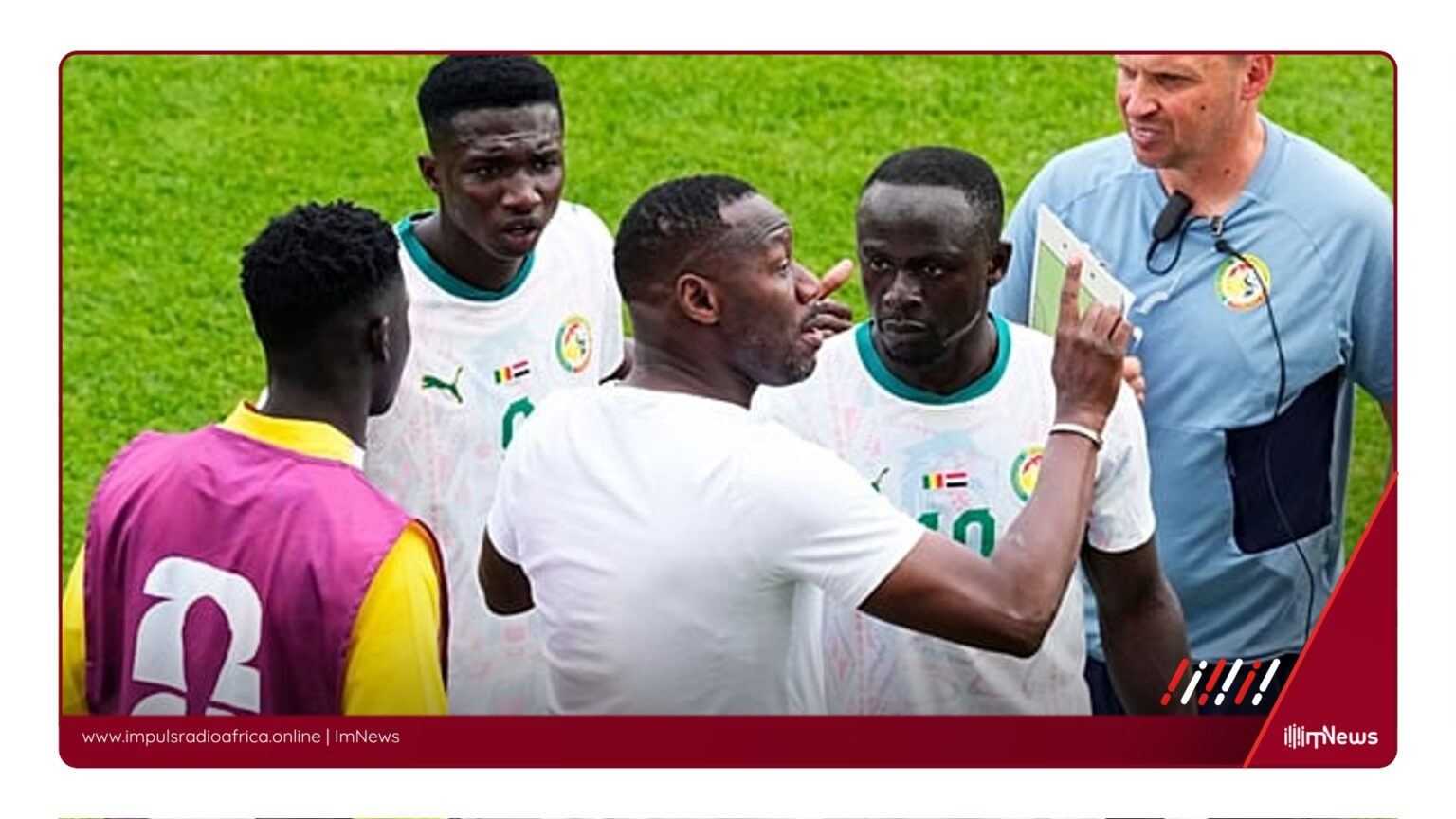
Senegal’s World Cup Exit Tied to Salary Dispute and Coach’s Sacking BODY: Dakar, Senegal – The Senegalese Football Federation (FSF) president, Abdoulaye Fall, has attributed the national team’s early exit from the 2026 FIFA World Cup to internal toxicity, specifically citing the sacking of head coach Pape Thiaw over a salary dispute. Thiaw was dismissed after the Teranga Lions were eliminated in the round of 32 by Belgium on July 1. Fall highlighted Thiaw’s demand for a pay rise and a new contract as the catalyst for the team’s internal strife.
He mentioned that Thiaw threatened not to travel to the World Cup unless his demands were met, a threat that was only averted by Senegalese President Bassirou Diomaye Faye on the day the team was set to depart for the United States. Thiaw, who was appointed in 2024, had led Senegal to a controversial Africa Cup of Nations victory in Morocco earlier this year, which was later overturned by the Confederation of African Football (CAF) due to officiating controversies. Despite this, Thiaw’s relationship with the FSF was strained, culminating in his termination amidst the World Cup campaign.
Senegal’s performance at the tournament left much to be desired, with the team narrowly avoiding elimination in the group stage after losses to France and Norway.
The team’s exit in the round of 32 marked a disappointing end to their campaign.
The firing of Thiaw raises concerns about the governance of the Senegalese Football Federation and the management of high — profile coaches.
The incident underscores the challenges faced by African football federations in balancing the expectations of coaches with the financial constraints of their organizations.
As Senegal moves forward without Thiaw, the FSF must address the internal issues that contributed to the team’s poor performance at the World Cup and ensure a harmonious environment for its players.
*Additional reporting by ImNews | Sources consulted: 5*
—
This original article was produced by the ImNews editorial team
Source: Africanews
Source: AfricaNews