

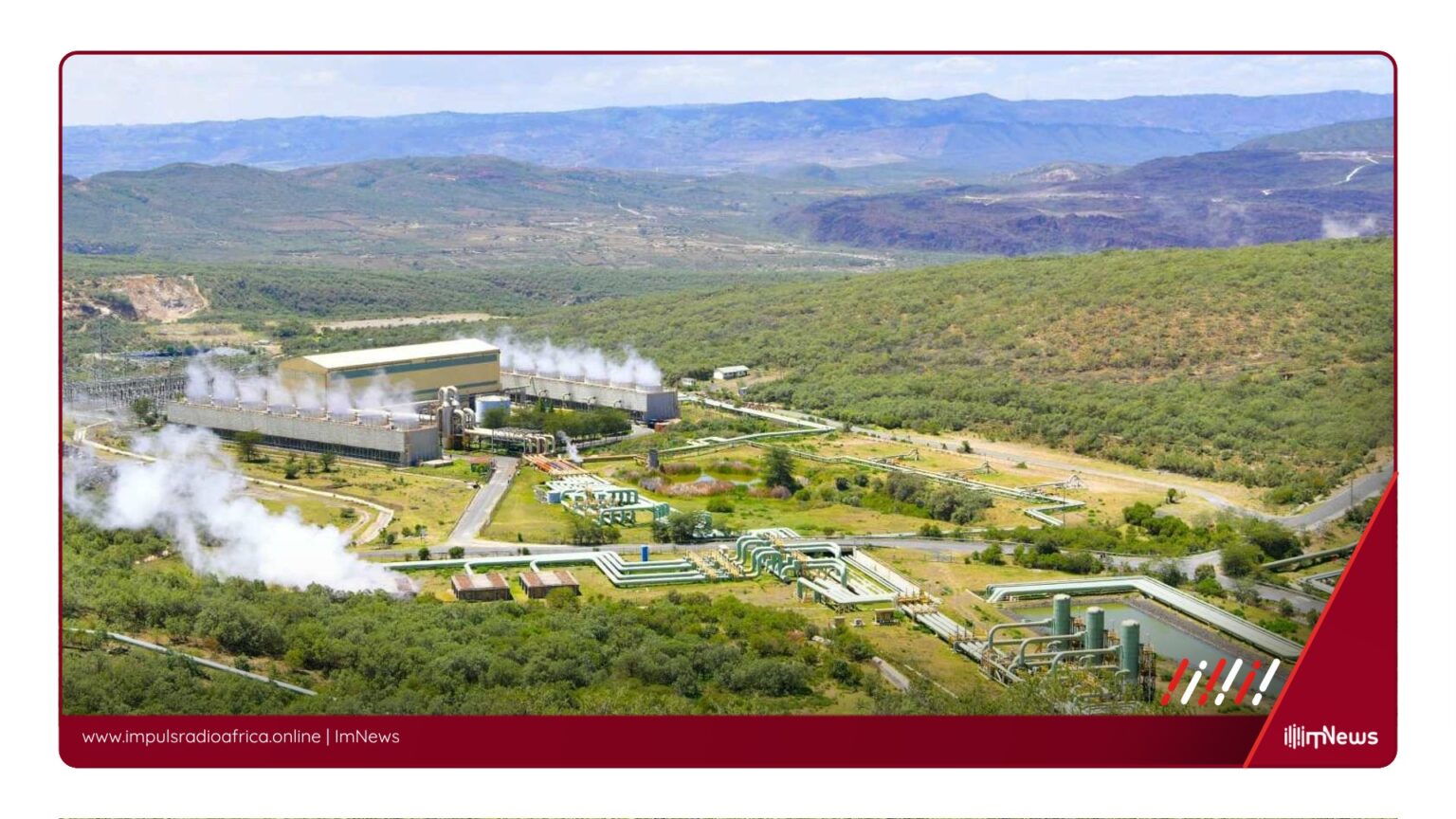
Naivasha, Kenya — The push for artificial intelligence (AI) development in Kenya is encountering a critical challenge in the Rift Valley town of Naivasha.
The proposed $1 billion digital investment by Microsoft and G42, including a significant data center, has sparked concerns about the strain on the area’s already scarce water resources.
The data center, intended to be sited in Olkaria, near Lake Naivasha, was to be powered by geothermal energy and expand to a 1 gigawatt capacity.
However, the project was paused in May 2026 due to concerns over power capacity, raising questions about the impact of an additional major industrial user on the region’s water supply. Naivasha’s reliance on water resources is profound, supporting daily needs such as agriculture, tourism, livestock, and schools. Residents report water scarcity and changes in water access, including the loss of dependable piped supplies from KenGen, the national electricity generating company.
Microsoft and G42 have emphasized that the proposed data center would be powered entirely by renewable geothermal energy and incorporate water conservation technology. Yet, they did not disclose specific water consumption figures, fueling concerns among local residents and environmental activists. Data centers are known to withdraw water for cooling purposes, a practice that has become a measurable and rapidly growing part of the global water consumption.
In the United States, data centers consumed 66 billion liters of water in 2023, a significant increase from 21. 2 billion liters in 2014.
The proposed data center in Naivasha is not alone in facing scrutiny over its water footprint.
A report highlights the increasing water consumption of data centers in the AI era, with some hyperscale data centers consuming between 1 million and 5 million gallons of water daily.
As Kenya endeavors to establish itself as a regional AI hub, it must weigh these ambitions against the environmental and social needs of its citizens.
The outcome of the proposed data center in Naivasha could serve as a precedent for addressing similar challenges in the future, emphasizing the need for sustainable development and advanced water conservation technologies.
*Additional reporting by ImNews | Sources consulted: 5*
—
This original article was produced by the ImNews editorial team
Source: aljazeera
Source: Hafsa Abdiwahab Sheikh