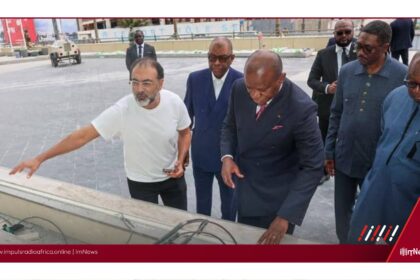
Tanzanian Tycoon Rostam Aziz Steps In to Negotiate Reopening of Shut Down Uganda Media Outlets Dar es Salaam, Tanzania — LEDE: Tanzanian billionaire Rostam Aziz has taken a significant role in negotiating the reopening of media outlets in Uganda that were shut down by the military.
The intervention comes in the wake of a dispute that has sent shockwaves through Uganda’s media industry. NUT GRAF: On June 27, 2026, the Ugandan military ordered the closure of NTV Uganda, Spark TV, KFM, Dembe FM, and the Daily Monitor’s printing operations, prompting international concern over press freedom in the region. Aziz, who acquired a majority stake in Nation Media Group (NMG) earlier this year, met with Uganda’s Chief of Defence Forces, General Muhoozi Kainerugaba, at the Special Forces Command headquarters in Entebbe.
The meeting follows the closure of NMG’s facilities in Kampala, where armed security personnel raided the company’s television and radio stations, forcing them off the air and blocking staff from accessing the Daily Monitor printing press.
The shutdown was attributed to social media posts by General Kainerugaba, who accused the media house of running biased coverage against the Ugandan government.
According to a statement released after the meeting, both sides reviewed instances of what the Ugandan authorities described as biased and malicious reporting. Aziz, accompanied by his son, Saam Aziz, and Georgia Mutagaywa, Chief of Staff at Taarifa Limited, the holding company through which he controls NMG, indicated a willingness to pursue journalism that is “patriotic, balanced, and objective. “.
The fate of NMG’s Ugandan operations now lies with President Yoweri Museveni, who will make the final decision on whether the affected media outlets will be allowed to resume operations.
The decision is seen as a crucial test of Aziz’s ability to protect editorial independence while navigating political pressures in the region.
The situation has raised concerns not only for the over 500 employees affected by the shutdown but also for the future of independent journalism in East Africa.
As the region and the international community watch closely, the outcome will have far — reaching implications for media freedom and press independence in the region.
*Additional reporting by ImNews | Sources consulted: 5*
—
This original article was produced by the ImNews editorial team
Source: Africa.businessinsider
Source: Ayodeji Adegboyega