Officials commented on the matter. This development raises concerns about the proliferation of military technology and the potential escalation of conflict in the region.
The use of drones in warfare has surged in recent years, particularly in the conflict between Russia and Ukraine.
Russian forces have increasingly relied on drones for aerial attacks, with reports indicating that the number of drones used in a single night can now exceed 700, a record number.
The evolution of drone warfare in Ukraine, marked by the integration of Shahed drones from Iran and a boost in domestic production, has been a focal point of international scrutiny.
According to sources, Russian drones have been instrumental in attacks across Ukraine, including in cities like Sumy, Odesa, and Kramatorsk.
A recent overnight attack resulted in the death of a child and injuries to at least 24 others.
The relentless use of drones has not only caused loss of life but also instilled fear and eroded morale among the Ukrainian civilian population, as highlighted by the BBC. While the primary theater of Russia’s drone warfare remains Ukraine, there are growing indications that this technology is now extending to Africa.
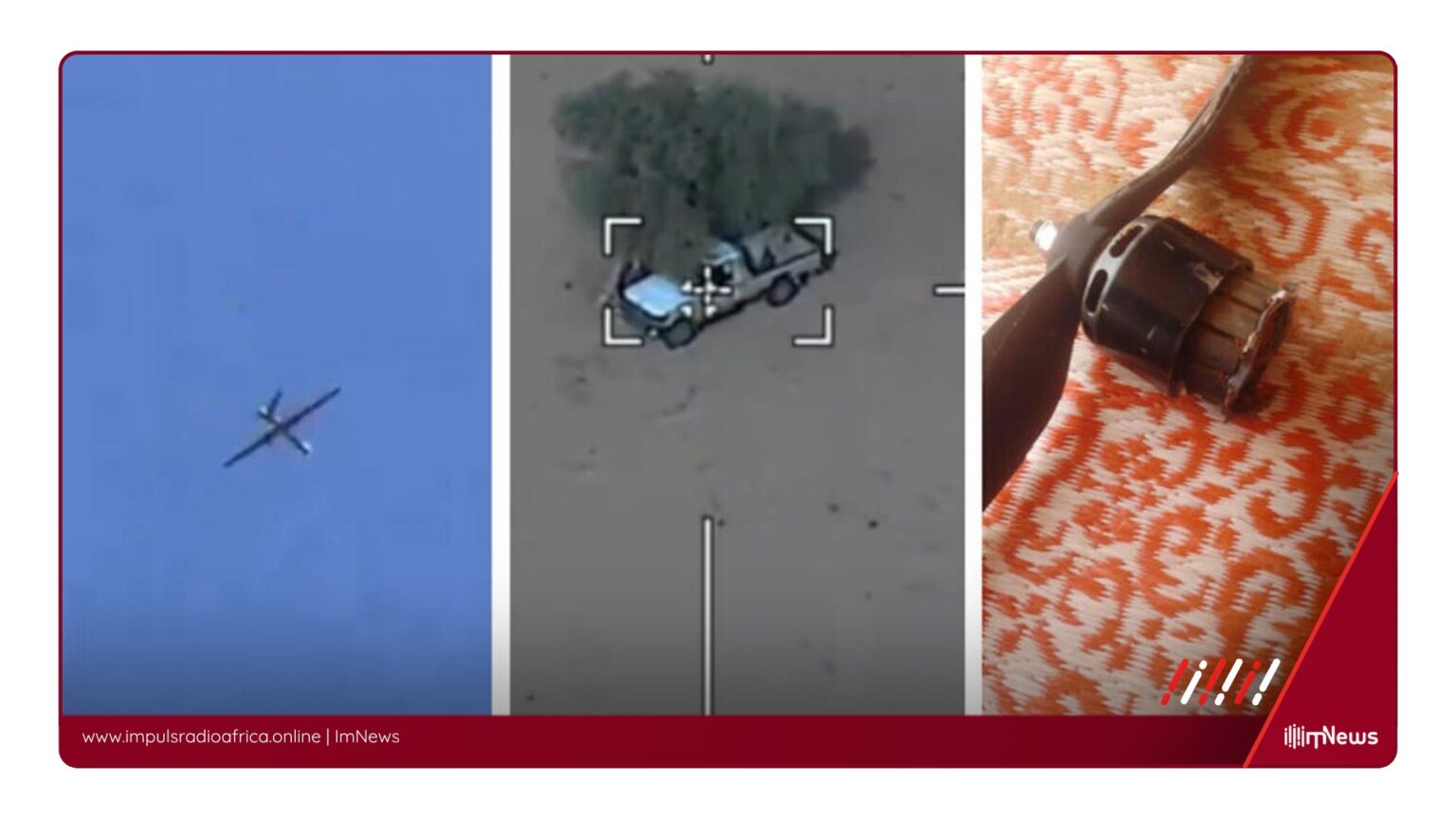
Reports has reported images showing Russian mercenaries from the Africa Corps, a group that has replaced the Wagner Group in supporting the Malian army, deploying new combat drones in Mali.
This suggests a strategic shift by Russia to utilize its military capabilities beyond the European theater.
The implications of this development are profound.
The proliferation of military drones in Africa could lead to a destabilization of the region, with the potential for drones to be used by various factions in conflicts across the continent.
The African Center for Strategic Studies has previously warned about the destabilizing shift in Africa’s armed conflicts due to the proliferation of military drones.
The use of drones in warfare raises ethical and legal questions.
The UN and other international bodies have expressed concern about the impact of drone warfare on civilian populations, particularly the psychological impact of drones buzzing overhead and the potential for civilian casualties.
The ECFR has also highlighted the need for a careful assessment of the risks and limitations of drones in conflict situations.
As Russia continues to refine its drone technology and expand its reach, the international community must remain vigilant.
It is crucial to monitor the deployment of these drones in Africa and to engage in dialogue with regional actors to address the potential risks and to promote responsible use of military technology.
The emergence of Russia’s drone warfare in Africa is a complex and evolving situation. It is imperative that the international community stays informed and engaged to prevent the escalation of conflict and to promote peace and stability in the region.
*Additional reporting by ImNews | Sources consulted: 5*
—
This original article was produced by the ImNews editorial team
Source: france24 – Africa
Source: The FRANCE 24 Observers