Kigali, Rwanda — Amidst the global fertiliser crisis, Rwanda is leading a movement to bolster food security through sustainable agricultural practices.
The nation’s focus on agroforestry, home gardens, and bio-fortified crops is not only enhancing soil health but also producing nutrient-dense food, a critical step in adapting to the Iran shock.
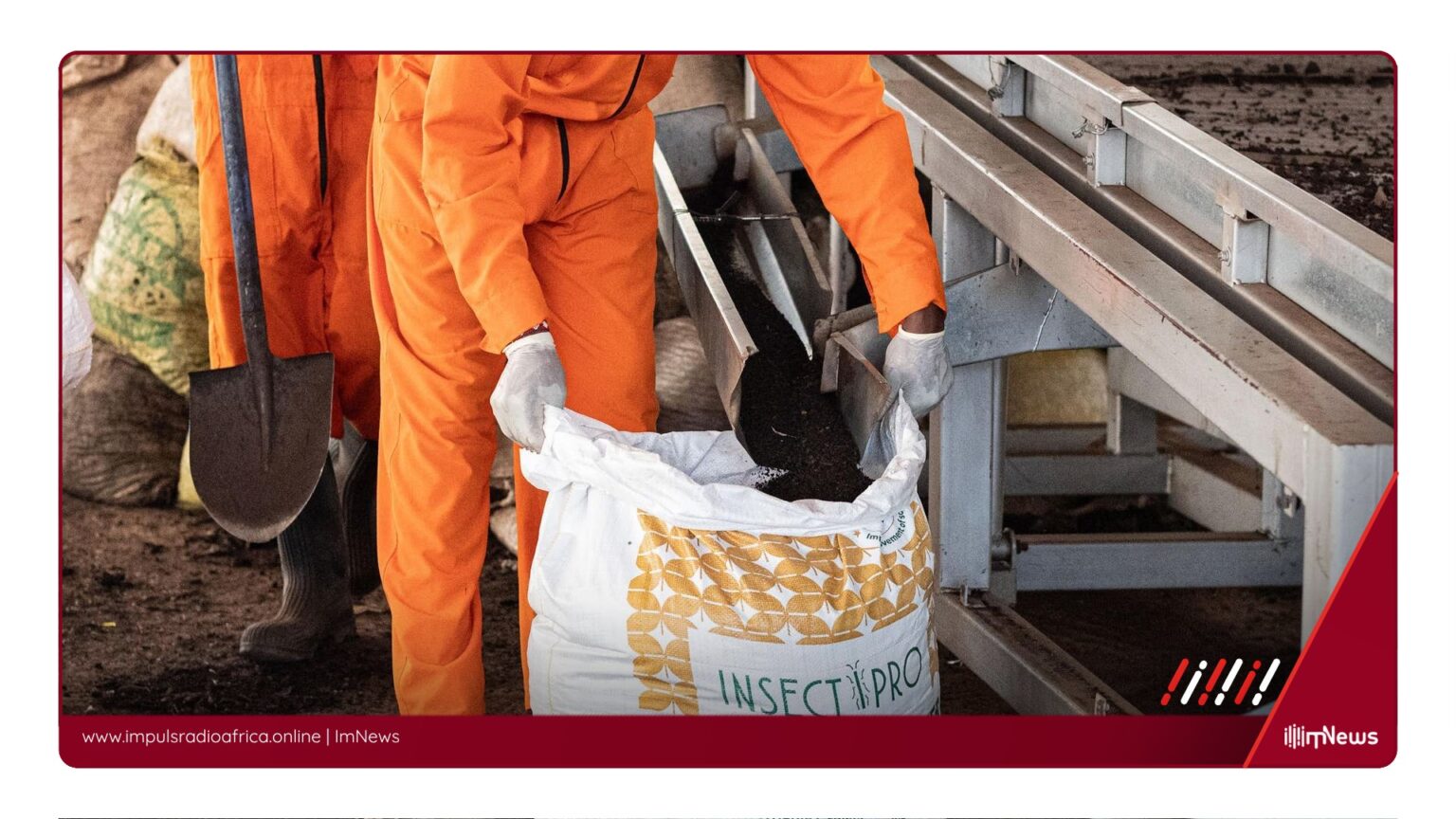
The escalating tensions in Iran have disrupted fertiliser supplies, leading to a spike in prices and raising concerns about food security across Africa. To combat this, Rwanda is investing in sustainable aquaculture and livestock farming, including poultry, to boost production and protein consumption.
The African Union’s Africa Fertilizer and Soil Health Summit has highlighted the urgency of enhancing soil health and tripling domestic production and distribution of fertilizers by 2034. This summit underscores the strategic importance of the Hormuz Strait, not just for oil flows but also for fertiliser trade.
The Africa Fertilizer Financing Mechanism (AFFM) is poised to play a pivotal role in improving production, procurement, and distribution of fertilizers, as well as soil health interventions.
The International Fertilizer Development Center’s bulletin warns that the next fertilizer crisis is inevitable, and Africa’s response now will determine whether it becomes a food crisis.
The African Development Bank’s USD 1. 5 billion African Emergency Food Production Facility is a testament to the continent’s commitment to responding to the crisis.
As the situation unfolds, it is clear that Africa must act swiftly to ensure its food security is not compromised by geopolitical tensions in the Middle East.
*Additional reporting by ImNews | Sources consulted: 5*
—
This original article was produced by the ImNews editorial team
Source: Jaron Porciello