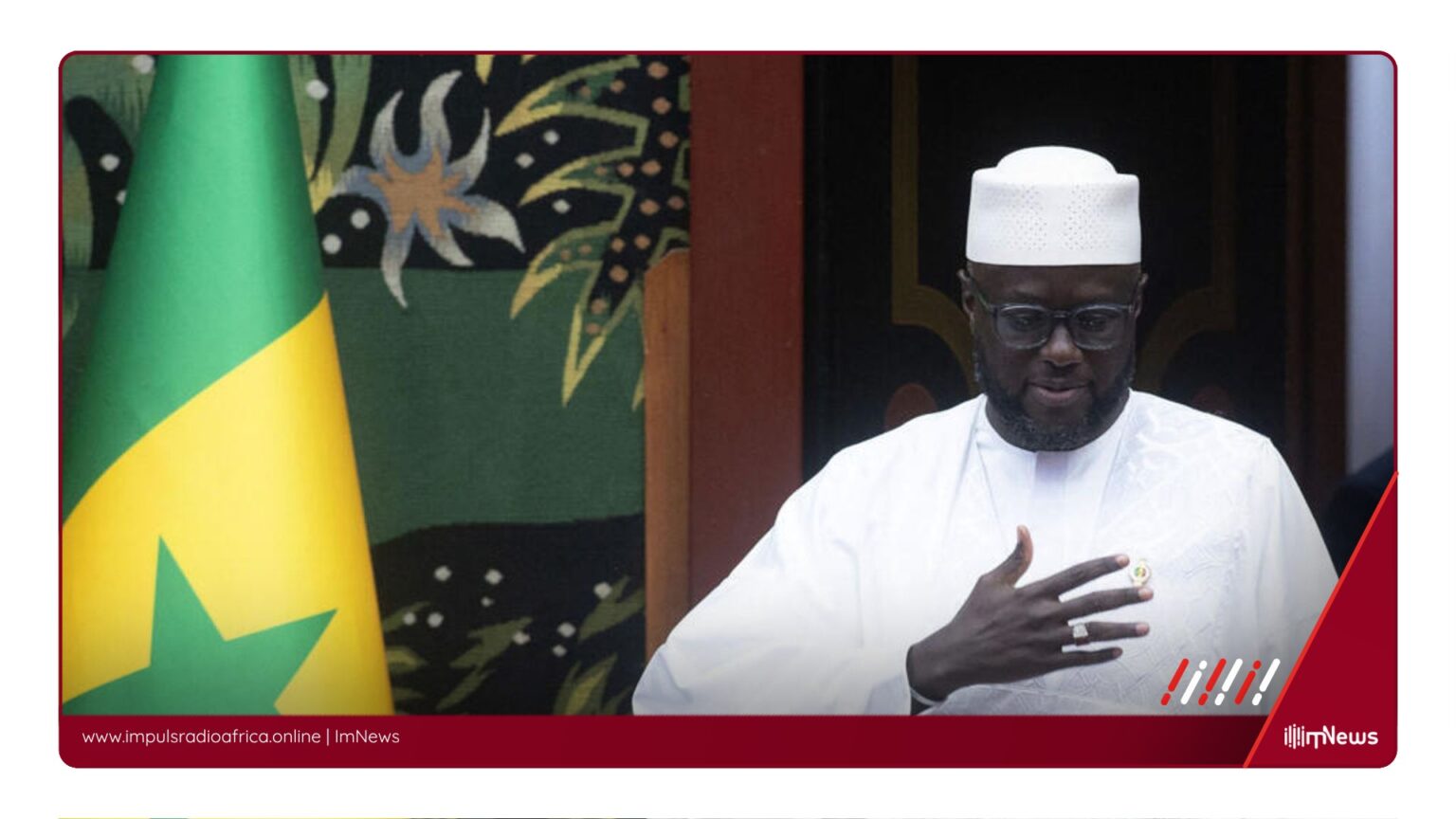
Dakar, Senegal — El Malick Ndiaye, the Speaker of Senegal’s National Assembly, resigned on May 24, 2026, following the controversial dismissal of Prime Minister Ousmane Sonko by President Bassirou Diomaye Faye. This move has ignited a political firestorm in the West African nation, coinciding with significant economic challenges.
The resignation of Ndiaye, a known ally of Sonko, paves the way for the sacked premier’s potential reinstatement as a member of parliament. This development is seen as a direct challenge to President Faye, who had dismissed Sonko amidst growing tensions between the two leaders.
A full session of the Senegalese parliament is scheduled to take place, with the aim of reinstating Sonko and electing a new speaker. This could further complicate President Faye’s reform efforts, as the country grapples with economic challenges, including a debt level that reached 132% of its economic output by the end of 2024.
The BTI Project’s Senegal Country Report 2026 highlights a turbulent political situation, with concerns about democratic backsliding and ongoing political transformation.
The dismissal of Prime Minister Sonko by President Faye risks deepening uncertainty in Senegal and could potentially delay an agreement with the IMF over the country’s economic situation.
The political crisis has also raised questions about the future of Senegal’s ongoing talks with the International Monetary Fund (IMF).
The IMF had frozen a $1. 8 billion lending programme following the discovery of misreported debt, which pushed the country’s debt level to an alarming 132% of its economic output.
As Senegal navigates this complex political and economic landscape, the resignation of Speaker Ndiaye and the potential reinstatement of Sonko could have significant implications for the country’s political stability and economic recovery.
*Additional reporting by ImNews | Sources consulted: 5*
—
This original article was produced by the ImNews editorial team
Source: france24 – Africa
Source: FRANCE 24