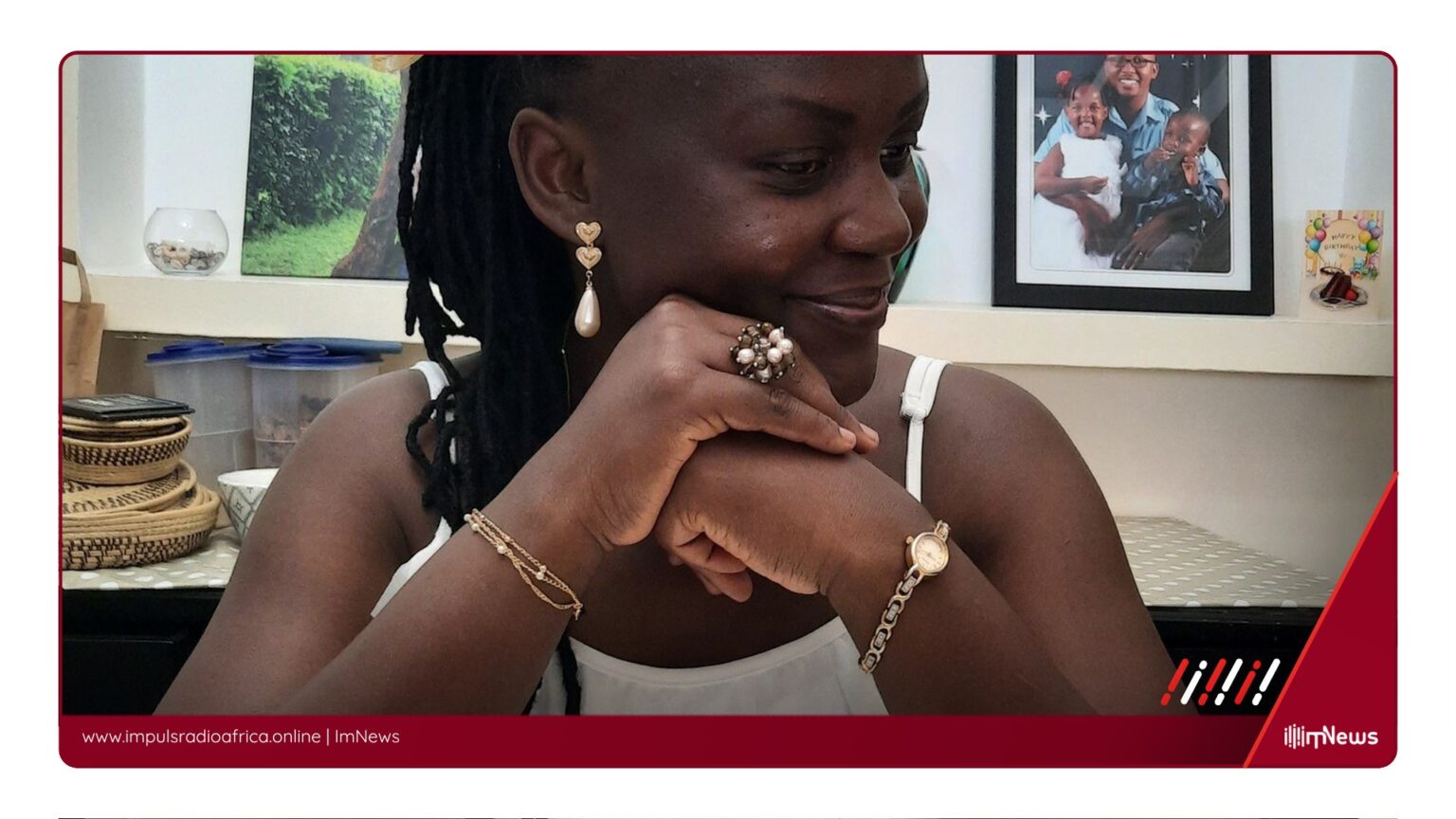
Unlocking Africa’s Future: The Urgent Need to Invest in Adolescent Girls’Health Nairobi, Kenya — In a pivotal moment for Africa’s development narrative, the triple threat facing adolescent girls — HIV infections, sexual and gender-based violence, and unintended pregnancy — has emerged as a critical concern for policymakers and health experts. These crises, argues Serah Malaba, Co-CEO of Tiko, an African-led non-profit organisation, threaten to derail the potential of an entire generation before it has truly begun.
As Africa grapples with the challenges of a contracting international development budget, there is a pressing need to rebuild and strengthen domestic health systems. This shift towards self-reliance presents an opportunity to address the health needs of girls comprehensively.
The United Nations estimates that failing to invest in adolescent girls’health will cost the global economy $110 trillion between now and 2050. Conversely, The Lancet estimates a tenfold macroeconomic return for every dollar invested in adolescent health.
The potential for economic empowerment and social stability is significant, and the onus falls on African governments to make the necessary budgetary adjustments. Currently, the healthcare system is fragmented, with services often disconnected across sectors. Girls must navigate complex and disjointed systems, which often lead to neglect and increased vulnerability.
To overcome this, a unified ecosystem of care is required, where a girl can access comprehensive, dignified care at a single, unified point of entry.
The Tiko model, which combines public and private health services with community — based support, offers a promising approach. By fostering seamless, community-based cross-sector referral linkages, this model bridges the gap between public clinics, private providers, and community organizations, ensuring a holistic approach to care.
As governments across the continent design national health insurance benefit packages and primary health care funds, the inclusion of adolescent girls’health services is paramount.
The time is now for Africa to invest in its daughters, not only to protect a generation but to build the foundation for a healthier, more self — reliant future.
As the world watches, Africa’s future will be shaped by its commitment to investing in its most valuable asset: its people.
The question remains: Will African governments rise to the occasion and prioritize the health and well-being of adolescent girls, or will the triple threat continue to erode the continent’s potential?
*Additional reporting by ImNews | Sources consulted: 5*
—
This original article was produced by the ImNews editorial team
Source: Panafricanvisions
Source: Pan African Visions