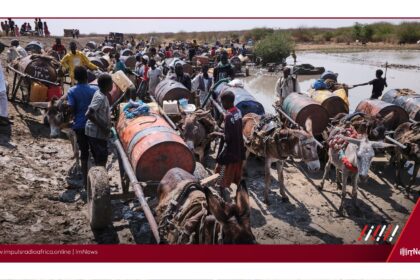


Lagos, Nigeria — The United Nations World Food Programme (WFP) has sounded the alarm, revealing that over 17 million individuals across nine conflict-affected states in northern Nigeria are addressing severe hunger. This figure, a stark rise from previous estimates, underscores the escalating food insecurity in the region, which the WFP has deemed the worst it has been in nearly a decade.
The WFP’s latest analysis indicates a surge of nearly two million people facing crisis, emergency, or catastrophic hunger levels. This dramatic increase is attributed to a confluence of factors, including intensifying violence, funding reductions, and the disruption of agricultural activities due to conflict and displacement.
The humanitarian situation in northern Nigeria has been compounded by recurrent climate shocks and economic downturns.
The WFP is currently providing relief to internally displaced persons (IDPs) through in-kind food rations, electronic food vouchers, and specialized nutrition support. Despite these efforts, the WFP has warned that funding shortages are leading to cuts in nutrition programs, affecting over 300,000 children.
The UN is seeking an additional $89 million to combat the crisis.
The WFP has issued a stark warning that without immediate funding, the situation could deteriorate further, with millions at risk of famine — like conditions.
The humanitarian crisis in Nigeria is multifaceted, with the WFP noting that the situation is not confined to the northeast.
The Norwegian Refugee Council (NRC) highlights Nigeria’s status as home to one of Africa’s largest humanitarian crises, yet one of the world’s most neglected displacement situations.
The UN’s 2026 Humanitarian Needs and Response Plan for Nigeria outlines the scale of the crisis, estimating that 5. 9 million people in Borno, Adamawa, and Yobe states will require assistance, with the most critical priority being those experiencing catastrophic and life-threatening needs.
As the WFP warns of imminent food assistance cuts in Nigeria, the international community is urged to provide the necessary support to address the severe hunger crisis.
The WFP’s efforts to provide relief are commendable, but they cannot be sustained without adequate funding and support from the global community.
*Additional reporting by ImNews | Sources consulted: 5*
—
This original article was produced by the ImNews editorial team
Source: rfi
Source: RFI