
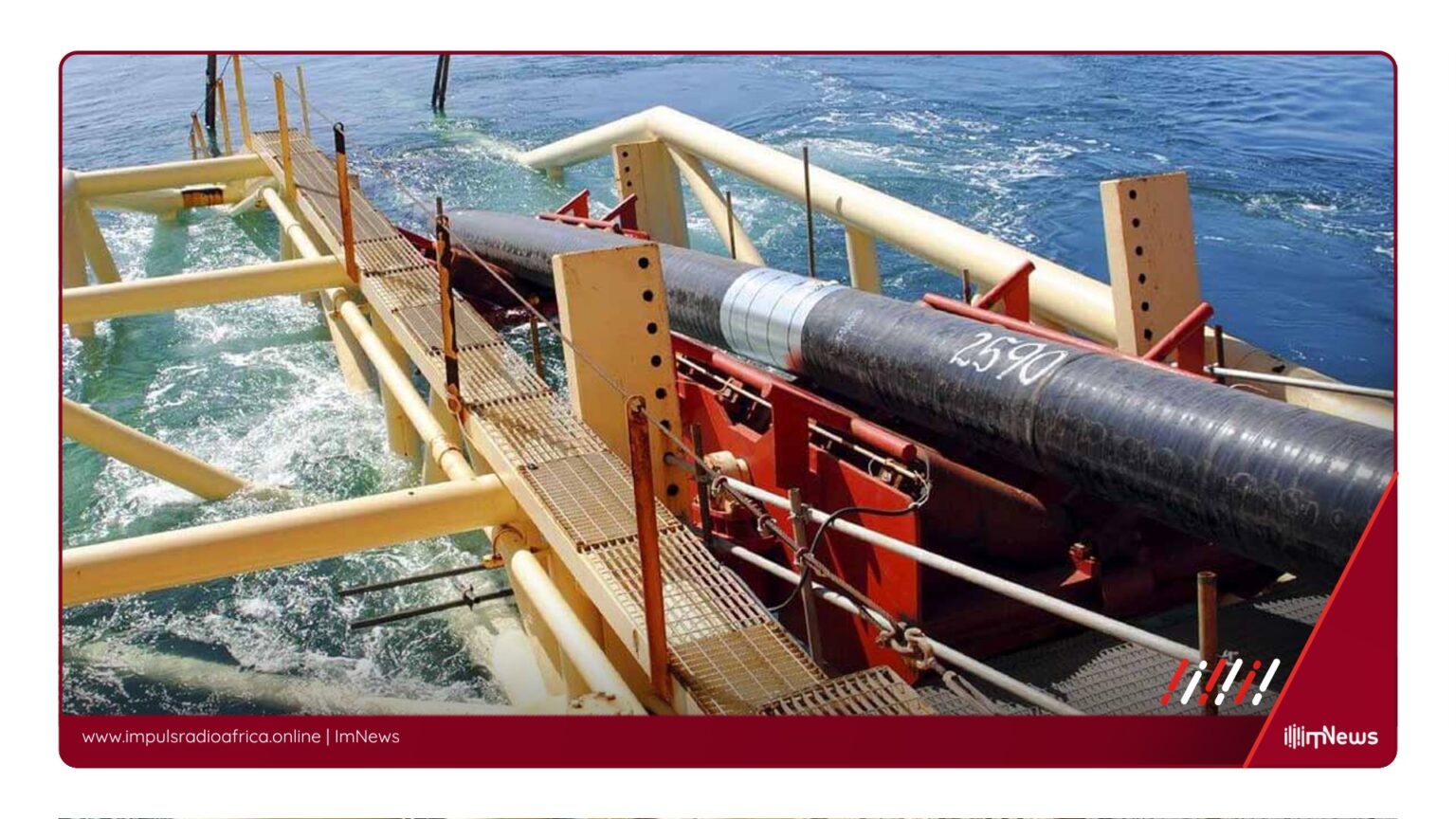
$30B Africa-Europe Power Cable Project Hits Diplomatic Impasse Rabat, Morocco – A monumental project that promised to bolster Africa’s renewable energy sector and reduce Europe’s reliance on fossil fuels has hit a significant diplomatic roadblock.
The $30 billion Sila Atlantik project, which aimed to transmit power from Africa to Europe via the world’s longest sea cable, has been delayed due to disagreements over the project’s operational framework and government guarantees.
The Sila Atlantik project, a joint venture between Morocco and Germany, was poised to become a linchpin in the European Union’s strategy to diversify its energy supplies and reduce dependence on Russian energy, especially in the wake of the 2022 conflict in Ukraine.
However, the project’s ambitious scope and the complexities of international cooperation have led to a stalemate.
The UK’s withdrawal from the Morocco-UK Power Project, a £25 billion ($34. 4 billion) initiative to harness solar and wind energy from the Sahara Desert and transmit it to Britain via a subsea power cable, has been seen as a setback for the broader strategy to harness renewable energy from North Africa.
The UK government’s decision to terminate its support for the project was based on national interest concerns. Despite the challenges, the German government has expressed official support for the Sila Atlantik project. This backing reflects a broader European strategy to invest in renewable energy infrastructure and strengthen ties with North African countries.
The project is expected to transport renewable electricity from Morocco to Germany through a 4,800-kilometer undersea cable, potentially providing up to 5% of Germany’s annual electricity needs.
The delay in the Sila Atlantik project is not just a technical issue; it is a diplomatic one.
The Moroccan government has been pushing for robust government guarantees to ensure the project’s success, while German officials have been seeking a more flexible operational framework that would allow for greater private sector involvement.
The project’s significance extends beyond the immediate economic benefits. It represents a step towards greater regional integration and cooperation, particularly under the African Continental Free Trade Area (AfCFTA) and the African Union’s Agenda 2063.
The delay could have broader implications for Africa’s energy sector and its potential to become a major player in the global renewable energy market.
As the project’s future hangs in the balance, stakeholders are closely watching the negotiations between Morocco and Germany.
The outcome of these discussions could set a precedent for future international energy projects in Africa and the EU’s commitment to renewable energy and regional integration.
In the meantime, the African Union and the European Union are likely to continue exploring other avenues to promote renewable energy projects on the continent.
The Sila Atlantik project, while ambitious, serves as a stark reminder of the complexities involved in large — scale international collaborations and the importance of clear communication and mutual understanding in achieving shared goals.
*Additional reporting by ImNews | Sources consulted: 5*
—
This original article was produced by the ImNews editorial team
Source: Africa.businessinsider
Source: Chinedu Okafor