

Solidarités International Bolsters Humanitarian Efforts Amid Nigeria’s Ongoing Crises Since 2016, Solidarités International has been a steadfast presence in Nigeria, working tirelessly to support vulnerable populations amidst the country’s ongoing crises.
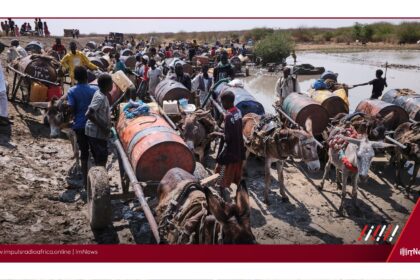
The humanitarian situation in northern Nigeria has been deteriorating, with 5. 9 million civilians addressing the compounded effects of armed violence, economic hardship, and cyclical flooding, which have intensified the spread of epidemics like cholera.
A recent cholera outbreak in Borno State has been particularly severe, underscoring the urgency of the situation. Responding to these crises, Solidarités International, along with its partners and donors, has implemented a comprehensive strategy addressing immediate needs, with a focus on conflict, seasonal shocks, and displacement.
The organization has assisted over 303,805 individuals in 2025, reflecting the magnitude of the challenge at hand.
However, 75% of households in Nigeria continue to lack access to safe drinking water, emphasizing the depth of the problems faced by the nation.
The crises in Nigeria’s northwest are compounded by attacks and human rights violations associated with the Islamic State West Africa province and remnants of Boko Haram. Similarly, in the northeast, escalating intercommunal conflicts have further destabilized the region. Recognizing the severity of the situation, the World Bank and the International Monetary Fund have provided economic and social assessments emphasizing the need for comprehensive reforms to foster inclusive growth.
Despite the challenges, including budget cuts in humanitarian aid, Solidarités International remains committed to providing support within the confines of its budget.
The organization is actively seeking innovative strategies to enhance the effectiveness of its operations.
As the crisis intensifies, there is a growing call for a more strategic approach to humanitarian response.
The situation in northern Nigeria highlights the challenges faced by humanitarian organizations operating in complex and volatile environments.
The need for better resource allocation, innovative strategies, and international collaboration to scale up the impact of humanitarian efforts is increasingly apparent. With millions in need, finding solutions to address the growing needs of the affected population remains a crucial question.
*Additional reporting by ImNews | Sources consulted: 5*
—
This original article was produced by the ImNews editorial team
Source: reliefweb
Source: Solidarités International