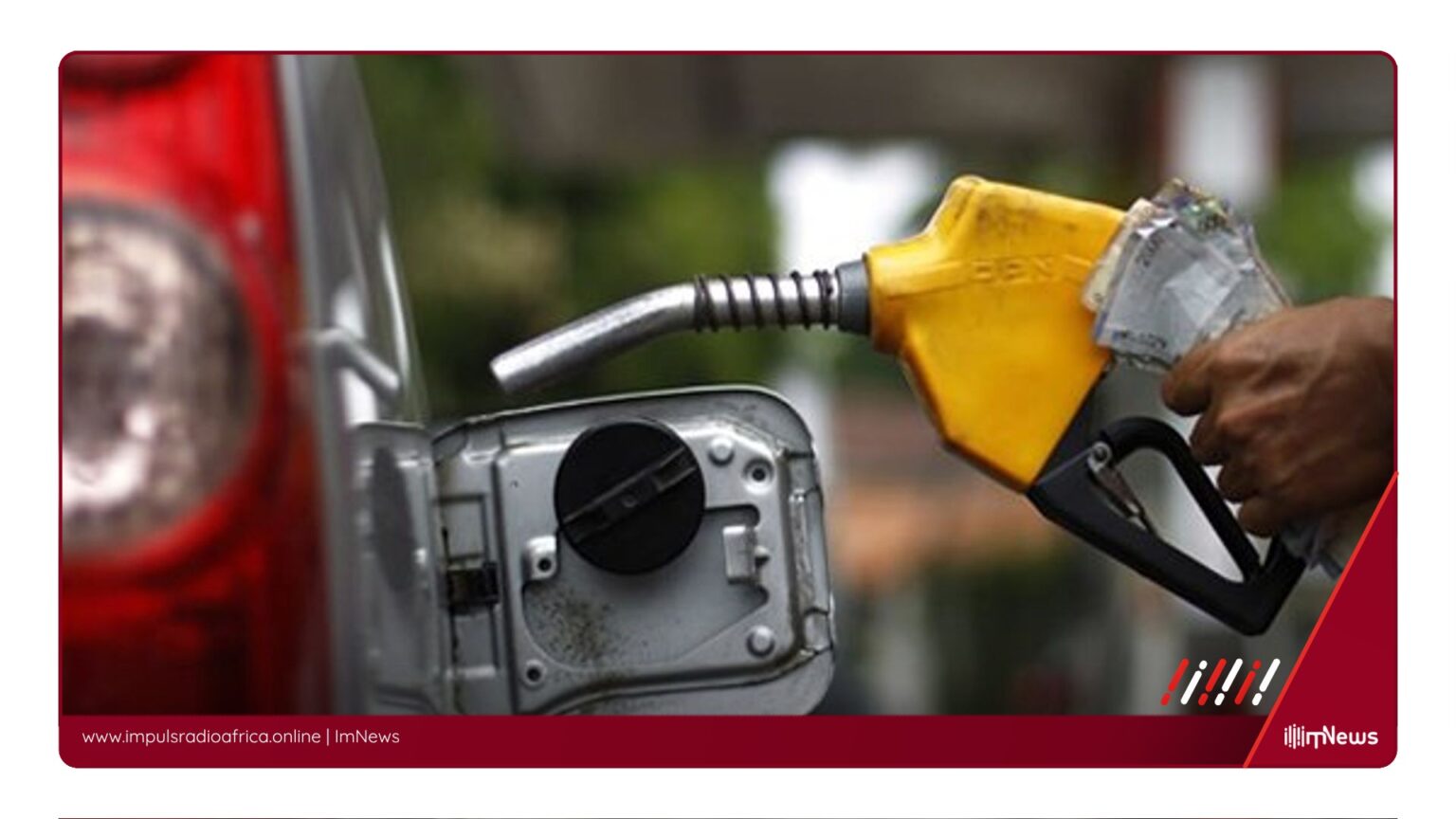
Johannesburg, South Africa — Effective May 6, South Africa faces a substantial increase in fuel prices, a consequence of the soaring global oil market, particularly the Brent crude oil, which has surged past $100 per barrel amidst Middle East tensions.
The South African government has announced that petrol prices will escalate by R3. 27 per litre, while diesel prices will jump by a more pronounced R6. 19 per litre.
The upward adjustment, triggered by the ongoing US — Iran conflict and supply disruptions in the Strait of Hormuz, has left the country’s consumers and businesses vulnerable to the direct impact of global energy market volatility. Despite the South African rand’s relative stability, it offered minimal relief, contributing less than R0. 01 per litre to the overall price increase.
To mitigate the impact, the government has approved temporary tax cuts of R3. 00 per litre on petrol and R3. 93 per litre on diesel, effective from May 6 to June 2.
However, this relief is offset by a slate levy introduced to recover an under — recovery of R14. 17 billion in the fuel pricing system.
The Department of Mineral and Petroleum Resources has attributed the fuel price hike to the international factors beyond South Africa’s control, emphasizing the country’s dependence on imported oil.
The Department has highlighted that South Africa’s fuel prices are adjusted monthly based on global oil prices, exchange rates, and domestic costs, making the nation highly susceptible to global oil price fluctuations.
The surge in fuel prices is expected to have broader implications for the South African economy, potentially leading to inflationary pressures and necessitating interest rate adjustments by the South African Reserve Bank.
The increased cost of living, compounded by rising fuel prices, could further strain the country’s economic conditions, particularly in light of existing challenges such as high unemployment and an inflation rate that remains above the target band.
The fuel price surge comes at a critical time for the South African economy, and while the government has taken steps to provide some relief, the long — term implications of high fuel prices remain a concern for the nation’s economic stability and growth.
*Additional reporting by ImNews | Sources consulted: 5*
—
This original article was produced by the ImNews editorial team
Source: Africa.businessinsider
Source: Ayodeji Adegboyega