
Johannesburg, South Africa — 2026-02-13 South Africa’s Political Parties Generally Support Military Deployment. South Africa’s political parties have largely endorsed President Cyril Ramaphosa’s decision to deploy troops to combat gang violence and illegal mining in two provinces. During his annual State of the Nation address in Cape Town, Ramaphosa highlighted organized crime as the nation’s most pressing threat, attributing the high murder rate to gang conflicts in Cape Town and illegal mining-related shootings in Johannesburg.
Ramaphosa emphasized the impact of crime on society, including loss of life, fear, and economic investment reluctance. He directed the Minister of Police and the South African National Defence Force (SANDF) to devise a tactical plan for security force deployment in the Western Cape and Gauteng provinces. Additional measures include recruiting 5,500 police officers, enhancing intelligence, and identifying priority crime syndicates.
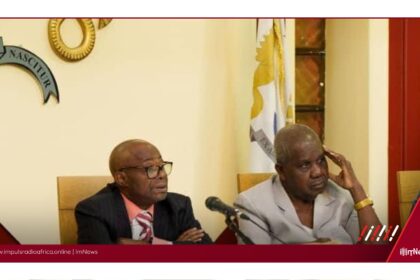
While the announcement was met with approval across political lines, the uMkhonto weSizwe party, led by Des van Rooyen, expressed concerns about the reduction in defense force funding and the lack of resources for troop empowerment.
The Democratic Alliance (DA), the country’s second-largest party and a member of the national unity government, supported the deployment but emphasized the need for coordination under the South African Police Service (SAPS). Ramaphosa also discussed South Africa’s economic goals amidst global economic turmoil, aiming to grow and strengthen international partnerships.
Gustavo de Carvalho, a public policy researcher at the SA Institute of International Affairs, suggested that Ramaphosa’s comments on diversifying relations referred to the complexities of South Africa’s relationship with the United States under President Donald Trump.
Acknowledging the economy’s recent improvements, Ramaphosa conceded that faster growth is needed to address social issues. He promised nearly $10 billion in public funding over three years for upgrading water infrastructure, which has been a frequent source of service delivery issues.
Further details are expected as the government implements these measures to combat crime and improve service delivery.