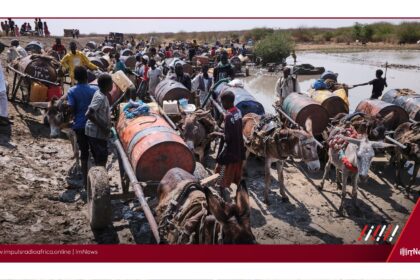


Khartoum, Sudan — Amidst the ongoing humanitarian crisis in South Sudan, over 10 million people, or two-thirds of the population, are facing severe challenges in accessing essential aid.
The situation has been exacerbated by ongoing armed conflict, climate shocks, and a struggling economy, leading to widespread displacement and limited access to essential services.
In the first half of 2026, a total of 63 humanitarian access incidents were recorded across the country, with the highest number reported in Upper Nile, Jonglei, Unity States, and the Greater Equatoria region. These incidents underscore the ongoing challenge of delivering life-saving assistance to those in need. One of the most recent incidents occurred in Nyirol County, Jonglei State, where insecurity led to the withdrawal of humanitarian health staff on June 7, 2026, leaving approximately 25,000 conflict-affected people with limited or no access to essential health services.
The humanitarian situation in South Sudan has been further complicated by the disruption of food aid deliveries.
In April 2026, a convoy of 32 trucks carrying 482. 81 metric tons of food was affected by insecurity, underscoring the impact of violence on humanitarian operations.
The UN Office for the Coordination of Humanitarian Affairs (OCHA) has reported that humanitarian access remains severely constrained by armed conflict and violence against humanitarian personnel and assets. This, coupled with bureaucratic and administrative impediments, movement restrictions, and deteriorating road conditions following the onset of the rainy season, has made the delivery of aid a challenging endeavor. Despite the challenges, humanitarian organizations are working tirelessly to provide assistance to those affected by the crisis.
However, the ongoing conflict and insecurity continue to hinder their efforts, limiting access to vulnerable populations.
As the situation in South Sudan remains dire, the international community must remain vigilant and committed to supporting the efforts of humanitarian organizations.
The provision of essential services and assistance is crucial for the survival and well — being of millions of people in need. Moving forward, it is essential for all parties involved to work towards a peaceful resolution to the conflict, ensuring the safety of humanitarian personnel and the uninterrupted delivery of aid. Only through a sustained and coordinated effort can the humanitarian crisis in South Sudan be effectively addressed.
*Additional reporting by ImNews | Sources consulted: 5*
—
This original article was produced by the ImNews editorial team
Source: reliefweb
Source: UN Office for the Coordination of Humanitarian Affairs