Khartoum, Sudan — South Sudanese Refugees in Sudan Face Overstretched Services and Complex Humanitarian Crisis In Sudan, the humanitarian situation for South Sudanese refugees and asylum-seekers is increasingly complex, with a significant portion of the population living outside of camps, putting pressure on local resources and services.
As of 31 May 2026, Sudan hosts 868,075 refugees and asylum-seekers, with 66% settled in camps and 34% living outside of camps. This distribution highlights the challenges faced by both the refugees and the host communities in providing essential services.
The majority of the refugee and asylum — seeker population in South Sudan is from Sudan, with 94. 6% of the population being Sudanese.
The remaining 5.
4% includes individuals from various countries, such as the Democratic Republic of the Congo, Ethiopia, and the Central African Republic. This demographic diversity adds another layer of complexity to the humanitarian response efforts.
One of the most pressing concerns is the situation at Akobo County Hospital in South Sudan.
This overcapacity has led to significant challenges in providing adequate healthcare services to the local population, including the refugees.
In South Kordofan, South Sudan, the UN High Commissioner for Refugees (UNHCR) reports that 38,555 people are refugees, accounting for 4. 4% of the state’s population.
This figure underscores the scale of the humanitarian crisis and the need for effective responses from both national and international organizations.
The UNHCR data also highlights the distribution of refugees and asylum — seekers within Sudan, indicating the proportion living in camps versus those outside of camps. This information is crucial for understanding the needs of the refugees and the challenges faced by the host communities.
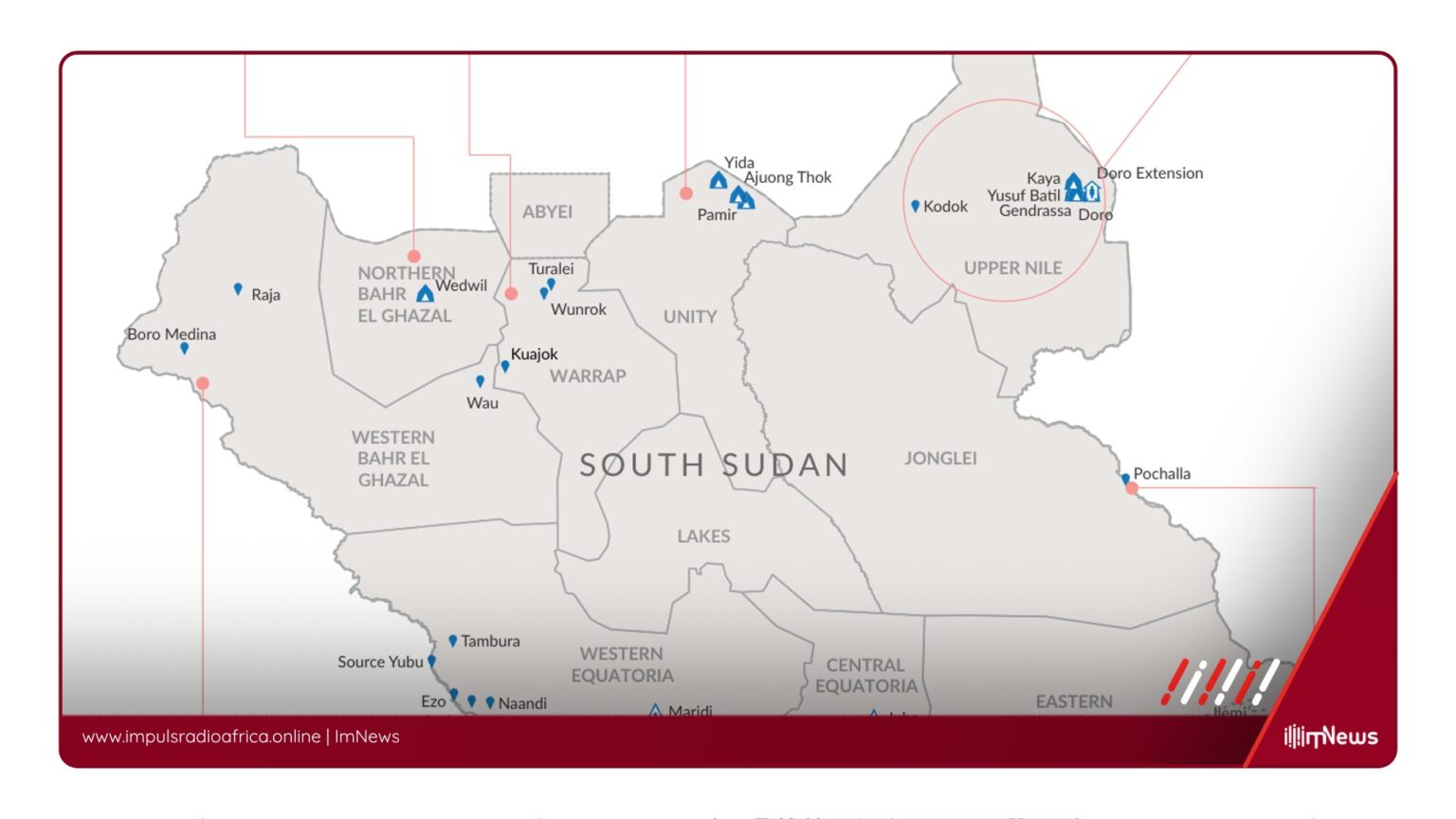
The infographic from the UNHCR’s South Sudan – Return Monitoring Dashboard provides further insights into the movement and presence of refugees and asylum-seekers in South Sudan. It reveals patterns of displacement and the areas most affected by the crisis.
The situation in South Sudan is further complicated by the ongoing internal conflicts and political instability, which have led to a significant number of South Sudanese becoming refugees and internally displaced persons (IDPs).
The neighboring country of Sudan has also been affected by conflict, hosting many refugees from South Sudan and other countries.
The humanitarian crisis in South Sudan and Sudan requires a coordinated and comprehensive response from the international community.
The challenges faced by the refugees, including access to healthcare, education, and livelihood opportunities, need to be addressed urgently.
The UNHCR and other humanitarian organizations are working tirelessly to provide assistance to the refugees and asylum — seekers, but the scale of the crisis necessitates a more robust and sustained effort.
The international community must continue to support these efforts and ensure that the rights and well — being of the refugees are protected.
As the situation evolves, it is essential for the media and the public to remain informed about the challenges faced by the refugees and the impact of the crisis on the host communities.
Only through awareness and understanding can we hope to achieve a sustainable solution to this complex humanitarian crisis. #### Kicker: The humanitarian situation in South Sudan and Sudan remains critical, with the need for increased support and resources to address the challenges faced by the refugees and the host communities.
The international community must continue to engage in coordinated efforts to ensure the well — being of those affected by the crisis.
*Additional reporting by ImNews | Sources consulted: 4*
—
This original article was produced by the ImNews editorial team
Source: reliefweb
Source: UN High Commissioner for Refugees