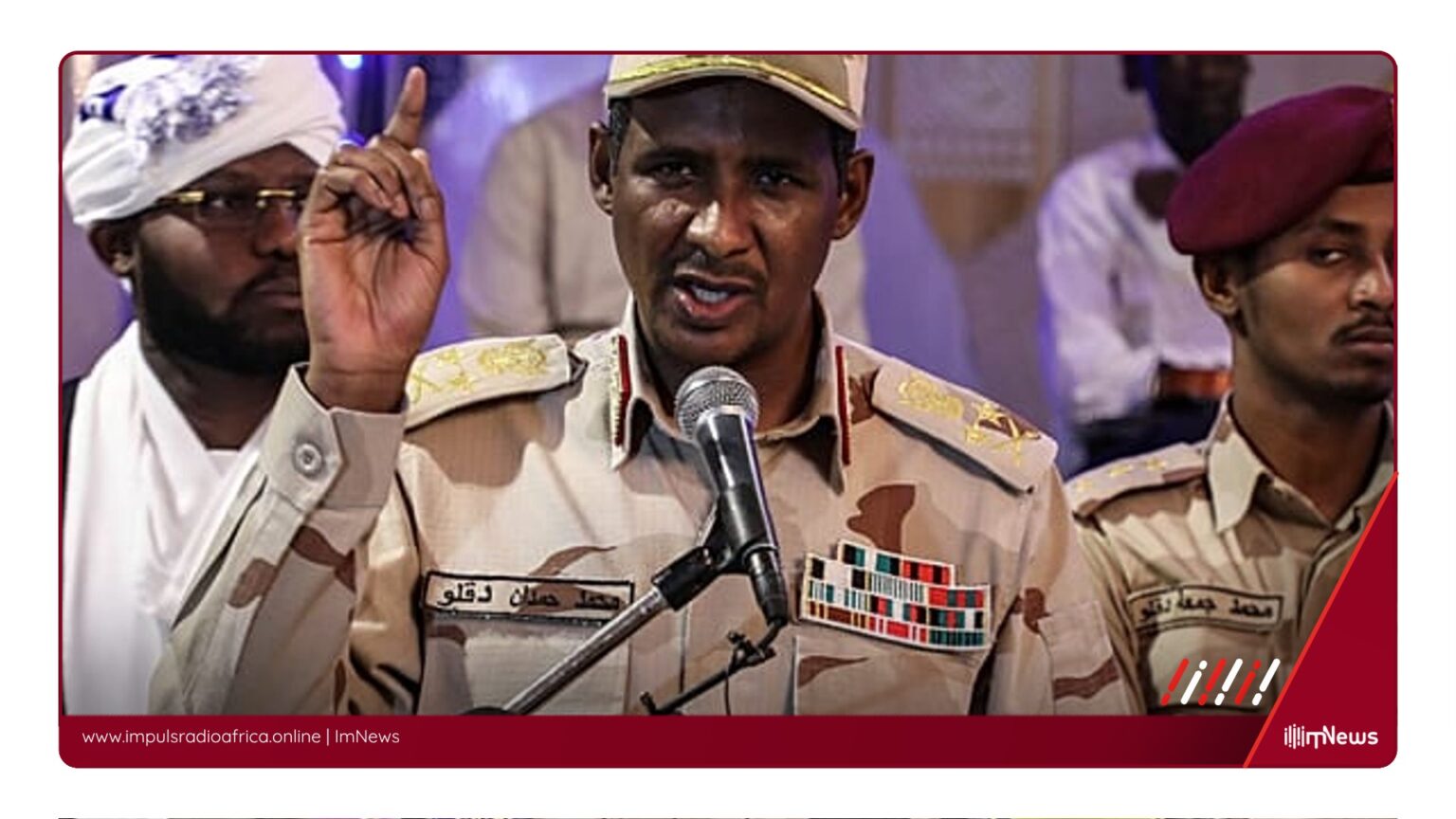
In a historic decision, a Sudanese court in Port Sudan has sentenced the leader of the Rapid Support Forces (RSF), Mohamed Hamdan Daglo, alias Hemedti, to death in absentia.
The sentence comes in response to charges of murder of a regional governor, war crimes, crimes against humanity, genocide, and attacks on civilians and public facilities.
The case is centered on the assassination of West Darfur governor Khamis Abbakar in June 2023, following Abbakar’s accusations against the RSF and allied militias for attacks on civilians in El-Geneina. UN experts have estimated that between 10,000 and 15,000 people, predominantly from the Massalit ethnic group, were killed during the subsequent violence in El-Geneina.
The RSF, under Daglo’s command, has been involved in conflicts across Darfur and Sudan.
The current crisis between the Sudanese army and the RSF erupted in April 2023, leading to heightened tensions and violence in the region. Despite RSF’s repeated denials of genocide and war crimes allegations, state media reported that the court found Daglo and the other defendants guilty of the charges. Among those sentenced were Daglo’s brother and deputy, Abdelrahim Hamdan Dagalo, several RSF officers, and tribal leaders from Arab communities in West Darfur.
This conviction by a judiciary operating under the army is the first against the RSF leadership since the outbreak of the war between the paramilitary group and the Sudanese Armed Forces in April 2023.
The court has stated its intention to refer the case to the Supreme Court for review and to seek the arrest and extradition of the convicted through Interpol and other international channels.
The international community has shown concern over the situation in Sudan, with calls for an immediate ceasefire and peace talks.
A recent UN report has further accused the RSF of crimes against humanity, adding to the debate over the group’s role in the conflict.
As the situation in Sudan remains volatile, the death sentence handed down to Daglo and the other defendants could have significant implications for the country’s future and the ongoing conflict in Darfur.
The ruling has drawn mixed reactions, with some praising the court’s decision and others questioning the fairness of the trial and the potential for political interference.
The case is anticipated to be closely monitored by human rights organizations and the international community, as it may set a precedent for future legal actions against individuals accused of grave human rights abuses in Sudan.
*Additional reporting by ImNews | Sources consulted: 5*
—
This original article was produced by the ImNews editorial team
Source: Africanews
Source: Rédaction Africanews