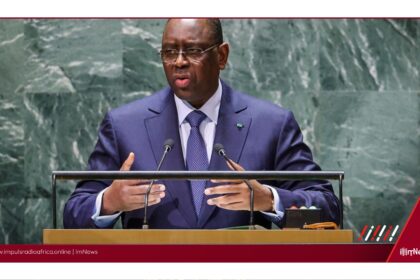

NAIROBI, Kenya — Sudan’s Humanitarian Crisis: A Pan-African Concern Nairobi, Kenya – The humanitarian crisis in Sudan, exacerbated by ongoing conflicts and instability, has reached unprecedented levels, with millions of people displaced and in need of urgent assistance.
As of 30 April 2026, Sudan hosts 866,749 refugees and asylum-seekers, with 67% settled in camps and 33% out of camps. This figure, released by the UN High Commissioner for Refugees, underscores the scale of the crisis, which is further compounded by acute food insecurity and the presence of multiple warring factions.
The situation in Sudan is dire, with over half of the country’s population—30. 4 million people—requiring assistance in 2025. Among them, 16 million are children, representing a significant portion of the nation’s future.
In particular, famine conditions have been confirmed in parts of North Darfur, affecting millions more in conflict — affected areas. This stark reality highlights the urgency of addressing the humanitarian crisis in Sudan.
In South Sudan, the situation is equally concerning.
Over 94. 6% of the refugees and asylum-seekers are from Sudan, with the remainder coming from the Democratic Republic of the Congo and Ethiopia.
This underscores the regional nature of the crisis, with the impact felt beyond Sudan’s borders.
The displacement crisis in Sudan has been further complicated by the presence of multiple warring factions, each with their own agenda.
The Rapid Support Forces (RSF), a paramilitary group, has been involved in a power struggle with the Sudanese Armed Forces (SAF), leading to widespread displacement and violence.
The situation has been further complicated by the RSF’s establishment of a parallel government, challenging the legitimacy of the Sudanese government in Port Sudan.
The international community has been closely monitoring the situation in Sudan, with organizations such as the African Union (AU) and the United Nations (UN) calling for an end to the violence and a peaceful resolution to the conflict.
The AU has expressed its commitment to supporting the peace process in Sudan, while the UN has been providing humanitarian assistance to those affected by the crisis.
The humanitarian crisis in Sudan is a complex issue, with multiple layers of conflict and displacement.
The UN High Commissioner for Refugees has highlighted the need for a comprehensive and coordinated response to the crisis, involving all stakeholders. This includes addressing the root causes of the conflict, ensuring the protection of civilians, and providing much-needed humanitarian assistance to those affected.
The situation in Sudan serves as a stark reminder of the human cost of conflict and the need for a peaceful resolution.
As the crisis continues to unfold, the international community must remain committed to supporting those affected and working towards a sustainable and lasting peace in Sudan.
As the crisis deepens, the need for a coordinated and comprehensive response from the international community becomes more pressing.
The humanitarian crisis in Sudan is not just a Sudanese issue but a Pan — African concern, with implications for the region’s stability and development.
It is imperative that all stakeholders work together to find a solution that addresses the root causes of the conflict and provides a path to peace for the people of Sudan.
*Additional reporting by ImNews | Sources consulted: 5*
—
This original article was produced by the ImNews editorial team
Source: reliefweb
Source: UN High Commissioner for Refugees