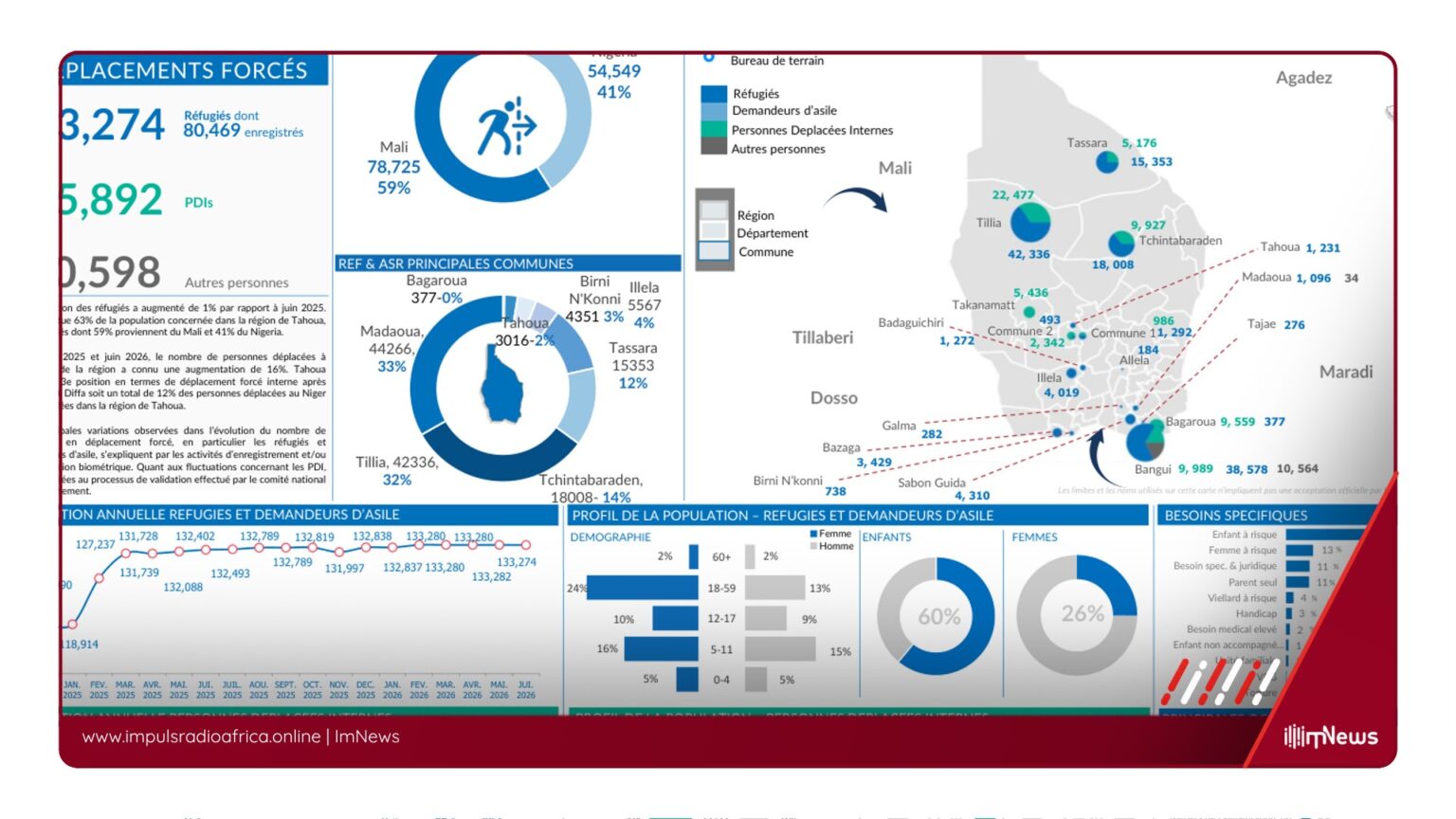
Displacement Trends in Niger’s Tahoua Region: A Pan-African Perspective DATELINE: Niamey, Niger — July 16, 2026 LEAD In the Sahel region of Niger, the Tahoua region has emerged as a critical area for understanding the dynamics of internal displacement and refugee settlement. Over the past year, there has been a notable shift in the demographics and trends of displacement within the region, reflecting broader challenges and responses in the context of regional instability. NUT GRAF: The Tahoua region, which accounts for 12% of Niger’s internally displaced population, has seen a 18% decrease in the number of internally displaced people between March 2025 and March 2026.
This reduction, however, does not diminish the challenges faced by the 63% of the population in the region who are refugees, with a significant proportion originating from Mali and Nigeria.
The decrease in internally displaced people in Tahoua is a complex development that reflects both the evolving nature of conflict and the effectiveness of humanitarian responses.
The region has been a focal point for the UNHCR and its partners, who have been working to provide shelter, food, and healthcare to those in need.
Despite the decrease in displacement, the proportion of refugees in the Tahoua region remains high, with 59% coming from Mali and 41% from Nigeria. This demographic shift underscores the region’s role as a transit point and a final destination for those fleeing conflict and instability in neighboring countries.
The support from international donors has been crucial in sustaining these efforts.
Countries such as Spain, Sweden, Norway, Japan, the United Kingdom, the Netherlands, Denmark, the Republic of Korea, Italy, Germany, Switzerland, and Sweden have been among the contributors to UNHCR’s flexible funds in Niger, enabling the organization to adapt to the changing needs of the displaced population.
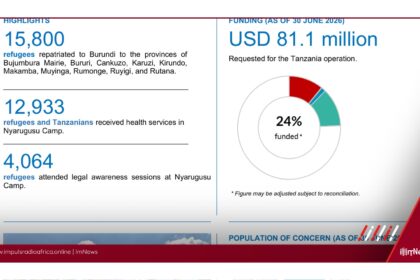
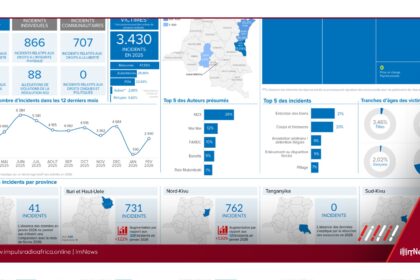
The infographic published by UNHCR on July 15, 2026, offers a snapshot of the protection and human rights situation in Niger. It highlights the challenges faced by displaced populations, including access to basic services and the need for sustainable solutions to ensure their long-term well-being.
The Tahoua region’s experience underscores the broader challenges of displacement in the Sahel region.
The World Bank’s data on Niger indicates that despite ongoing efforts to improve living conditions, poverty remains a significant challenge, with more than 10 million people living in extreme poverty.
The regional insecurity, compounded by the onset of COVID — 19 and climate change, has reversed some of the earlier gains in poverty reduction.
The Niger country strategic plan (2020-2026) emphasizes the need for integrated resilience activities to protect livelihoods and foster long-term recovery. This approach is particularly relevant in Tahoua, where sustainable solutions are essential to address the root causes of displacement and to ensure that the region can recover and thrive. KICKER: As the Tahoua region continues to grapple with the challenges of displacement, the international community’s support and the implementation of sustainable solutions will be crucial in determining the region’s future.
The next few months will be pivotal in assessing the effectiveness of current responses and in shaping the strategies needed to support the displaced population in their journey towards stability and self — reliance.
*Additional reporting by ImNews | Sources consulted: 5*
—
This original article was produced by the ImNews editorial team
Source: reliefweb
Source: UN High Commissioner for Refugees