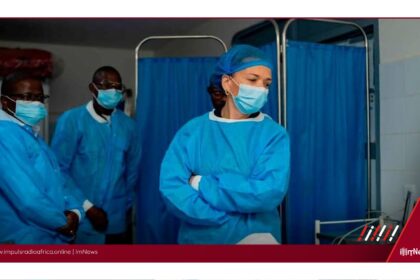
Bangui, Central African Republic — The United Nations Emergency Relief Coordinator, Tom Fletcher, has announced the allocation of US$1 million from the Central Emergency Response Fund (CERF) to combat the escalating cholera outbreak in the Central African Republic (CAR). This emergency funding aims to bolster life-saving interventions in health, water, sanitation, and hygiene, as well as community engagement efforts.
The cholera epidemic was declared by the Government on June 26, with a surge in infections and fatalities. To date, 650 suspected cases and 44 deaths have been reported, with the disease spreading from Bimbo and Mbaïki to Bangui, heightening the risk of transmission in densely populated urban areas.
The outbreak is further complicated by the rainy season, low population immunity, limited access to safe water and sanitation, and population movements along the Oubangui River. This marks the country’s first cholera epidemic since 2016.
The UN Office for the Coordination of Humanitarian Affairs has been instrumental in coordinating the response, collaborating with local authorities and communities to contain the spread of the disease.
The allocation of funds from the CERF is crucial in addressing the urgent needs of the affected populations.
The CERF serves as a vital mechanism for providing immediate financial support to humanitarian responses in emergencies, with its flexibility allowing for rapid deployment of resources where they are most needed.
The Global Task Force on Cholera Control (GTFCC) has been actively involved in supporting the cholera response in CAR. Comprising over 50 institutions, including NGOs, academic institutions, and UN agencies, the GTFCC is dedicated to ending cholera through the creation of a Global Roadmap to 2030. It offers countries the capacity, tools, and assistance to develop National Cholera Plans (NCPs) and implement them effectively.
As the situation unfolds, the international community remains committed to supporting CAR in its efforts to combat the cholera outbreak and address the underlying causes of the crisis.
The allocation of funds from the CERF is a testament to this commitment and the ongoing efforts to improve the lives of those affected by the humanitarian crisis.
*Additional reporting by ImNews | Sources consulted: 5*
—
This original article was produced by the ImNews editorial team
Source: reliefweb
Source: UN Office for the Coordination of Humanitarian Affairs