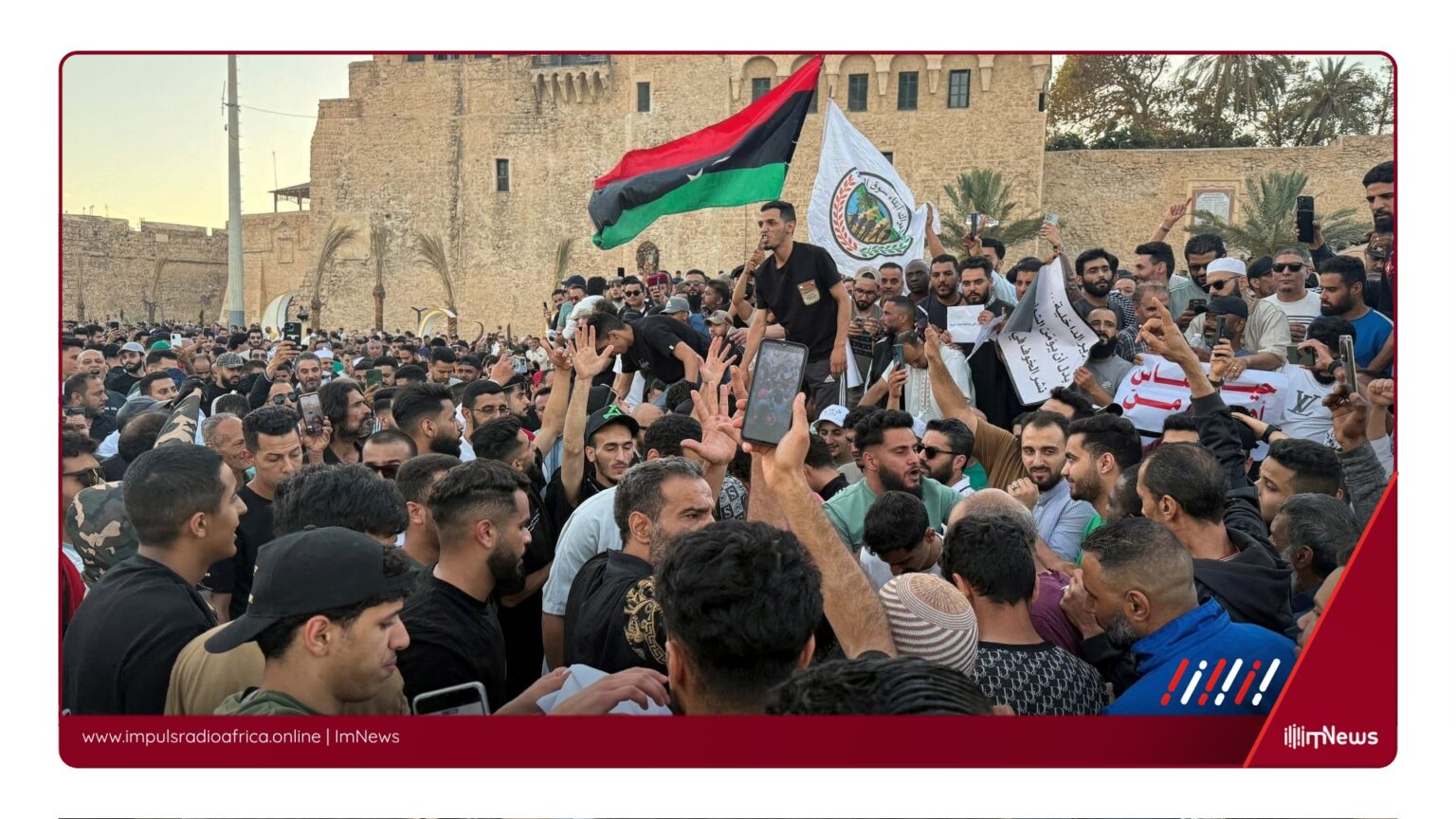
Officials commented on the matter. Protesters have barricaded roads and shuttered public buildings, their frustration spilling into the streets over prolonged power cuts and exorbitant electricity rates.
The demonstrations, which have reached a crescendo during the sacred month of Ramadan, are directed at the Government of National Unity led by Abdul Hamid Dbeibah, with calls for reduced electricity prices, a stable currency, and a better quality of life.
The Souq Al — Jumaa Movement, which has been a thorn in the side of the Government of National Unity since May 2025, initiated the campaign.
The movement seeks to fully incapacitate the government, demanding accountability for corruption allegations and the dissolution of Libya’s current political institutions, including the government, the House of Representatives, the State Council, and the Presidential Council.
The electricity shortages in Libya are a direct consequence of the nation’s ongoing political instability and its struggle to repair or maintain its aged power infrastructure.
The country’s fractured governance, with warring factions in the east and west, has only worsened the situation.
In Tripoli, the protests have been particularly fierce. Protesters have been caught on camera setting tires ablaze and closing down major thoroughfares. They’ve also been seen unloading a truck filled with dirt in front of the Ministry of Foreign Affairs to block its access.
The young demonstrators are carrying banners denouncing Prime Minister Abdul Hamid Dbeibah and demanding change.
The city’s residents are addressing the daily disruptions, with many expressing their discontent over perceived inequalities in the distribution of power cuts. Some cities face more frequent and extended blackouts, while others seem to be hit less severely.
The campaign led by the Souq Al — Jumaa Movement has garnered widespread support, with many Libyans joining the protests in search of a better future.
The movement’s call for a complete overhaul of the political and economic system has struck a chord with the general population, weary of the status quo and yearning for transformation.
As the situation persists, the power cuts and the economic hardships they symbolize are but a glimpse into the multifaceted challenges that Libya faces as it attempts to rebuild following years of conflict and instability. KICKER: The unrest in Tripoli serves as a stark reminder of the nation’s profound governance and infrastructure issues.
As the situation unfolds, the world will be watching to see how the Libyan government addresses the demands of its populace and whether it can pave the way for lasting peace and stability in the region.
*Additional reporting by ImNews | Sources consulted: 5*
—
This original article was produced by the ImNews editorial team
Source: aljazeera
Source: Al Jazeera Staff