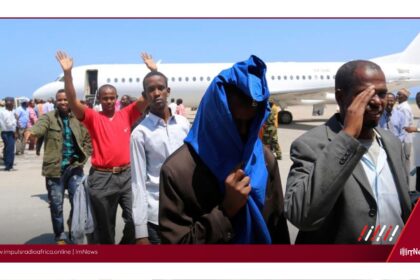

Vietnamese Deportee Repatriated to Vietnam After Detention in South Sudan BODY: Khartoum, Sudan – Tuan Phan, a 44-year-old Vietnamese national, was repatriated to Vietnam on June 19, 2026, after spending over a year in detention in South Sudan. Phan’s case is a focal point in the ongoing debate surrounding the Trump administration’s third-country deportation program. Under this program, deportees were sent to countries other than their own or the country of origin of their legal residence.
South Sudan, a country addressing political instability and human rights concerns, was among the selected destinations for this program. Phan was one of eight men sent to Africa in May 2025, after being rerouted from a U. S.
Military base in Djibouti following a federal judge’s initial block on their deportation due to procedural irregularities. They arrived in South Sudan in July 2025, following a Supreme Court ruling that authorized their removal from the United States. While the deportations sparked criticism from rights groups and legal challenges, they were part of a broader agreement between the U.
S. And South Sudan, which included financial compensation to the South Sudanese government.
However, the arrangement has faced scrutiny for potentially compromising the rights and well — being of the deportees. Phan, who moved to the U. S.
As a child in 1991, was sentenced to 25 years in prison in 2000 after shooting and killing someone during a gang altercation. He was taken into custody by Immigration and Customs Enforcement in March 2025 after completing his sentence.
The deportees were held in a gated house under armed guard in Juba, according to a U. S. Senate report.
The lack of independent oversight over their treatment and conditions has raised concerns about South Sudan’s compliance with human rights norms.
The case of Tuan Phan underscores the need for independent oversight and accountability in immigration policies.
As the world navigates the complexities of migration and human rights, it is crucial to ensure that vulnerable populations are protected and that international cooperation on immigration is guided by ethical considerations and respect for human rights.
*Additional reporting by ImNews | Sources consulted: 5*
—
This original article was produced by the ImNews editorial team
Source: Africanews
Source: AfricaNews