
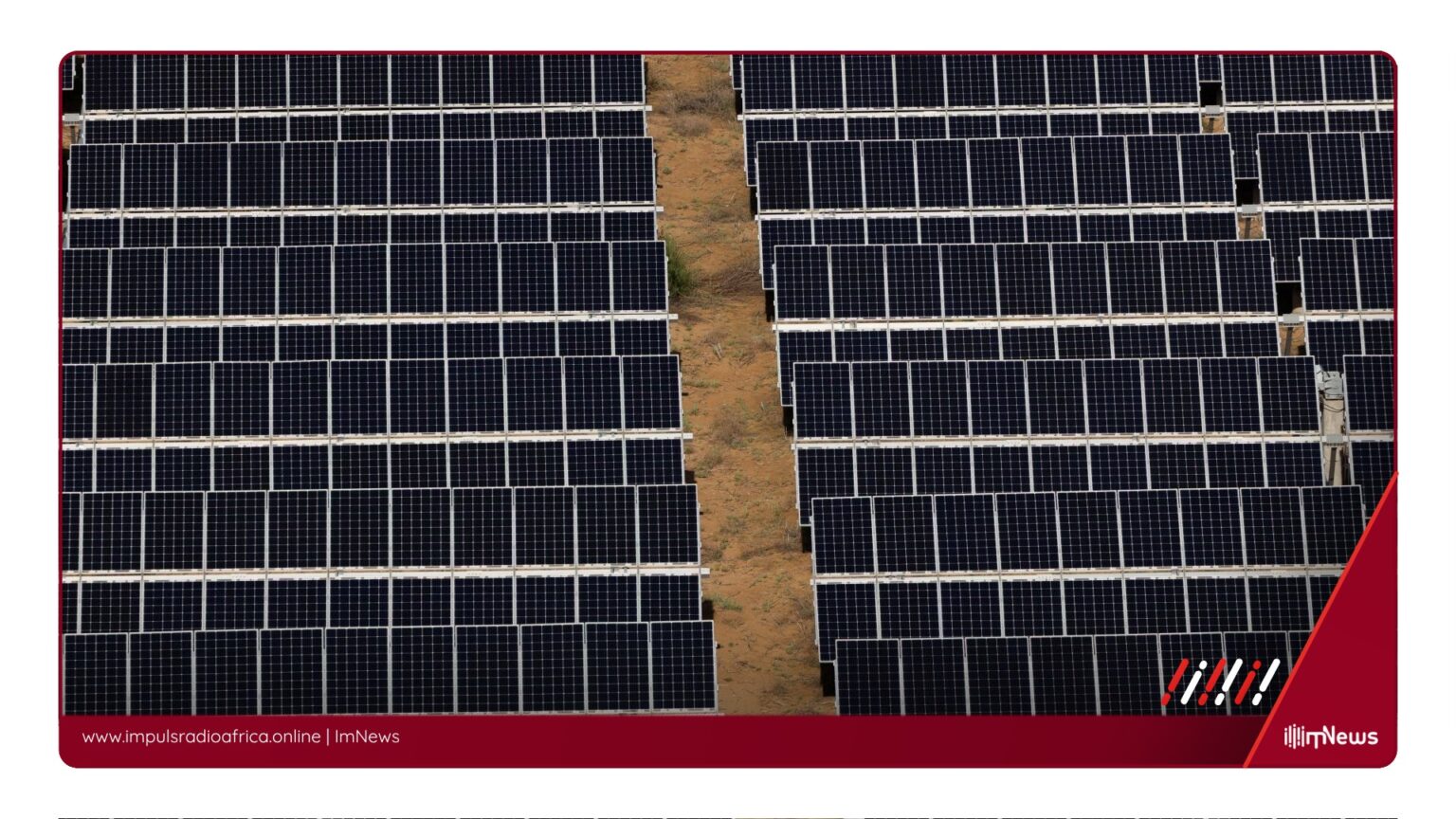
Tunisia’s Renewable Energy Push Stalls Amid Energy Crisis and Resistance DATELINE: Tunis, Tunisia — LEAD: In a bid to alleviate its persistent energy deficit, Tunisia has approved five renewable energy concessions, yet the move faces resistance amid concerns over energy sovereignty and the impact on local communities. NUT GRAF: The concessions, approved by the Tunisian parliament in April 2026, are part of the country’s ambitious plan to transition to renewable energy sources by 2050.
However, critics argue that the strategy is insufficient and may deepen the nation’s energy dependency.
Tunis, Tunisia — Tunisia’s energy deficit, currently at approximately $3. 8 billion, represents nearly 51 percent of its total trade deficit.
This financial strain has been exacerbated by rising domestic consumption and a failure to achieve genuine energy sovereignty, which relies heavily on imported gas for over 90% of electricity generation.
The Tunisian authorities’pursuit of privatisation in the energy sector has been met with skepticism. Critics contend that the privatisation process may transfer public wealth into private hands, rather than addressing the country’s energy crisis effectively.
The recent approval of five renewable energy concessions, which allow foreign multinationals to extract profits from renewable energy production, has fuelled these concerns.
Despite the country’s ambitious goal of achieving full energy self-sufficiency by 2050, the current renewable energy contribution stands at a mere 777 MW, far below the 5,000 MW peak demand.
The Arab Reform Initiative highlights two main narratives influencing decisions in the Tunisian energy sector.
The first, drawing on neoliberal practices of green extractivism, focuses on exploiting natural resources for export purposes.
The second calls for justice, democracy, and community ownership of energy projects, suggesting a more inclusive approach is needed for a just transition. Some experts argue that Tunisia needs more than solar and wind energy to achieve sustainable full energy self-sufficiency.
A comprehensive strategy that includes diversification of energy sources and a focus on energy efficiency is crucial, they say.
The heavy reliance on imported gas has also stalled the development of solar power. This trend is a cause for concern, as it slows down the nation’s progress towards renewable energy goals. Giving concessions for renewable projects to foreign corporations, as some argue, will not help solve the country’s energy crisis.
Instead, it may deepen the nation’s energy dependency, critics warn.
The European Bank for Reconstruction and Development (EBRD) has noted Tunisia’s resilience and progress in key areas, including the construction of the ELMED electricity interconnector, a significant step forward in the country’s green transition.
However, the bank’s country strategy also acknowledges the need for greater renewable energy adoption.
As Tunisia grapples with its energy crisis, the future of its renewable energy strategy remains uncertain.
The nation must navigate the complexities of energy sovereignty, economic considerations, and environmental sustainability to ensure a just and sustainable energy future. KICKER: The resistance to Tunisia’s renewable energy strategy underscores the need for a comprehensive, inclusive approach that addresses the country’s energy challenges while considering the interests of local communities and the environment.
*Additional reporting by ImNews | Sources consulted: 5*
—
This original article was produced by the ImNews editorial team
Source: aljazeera
Source: Saber Ammar and Hamza Hamouchene