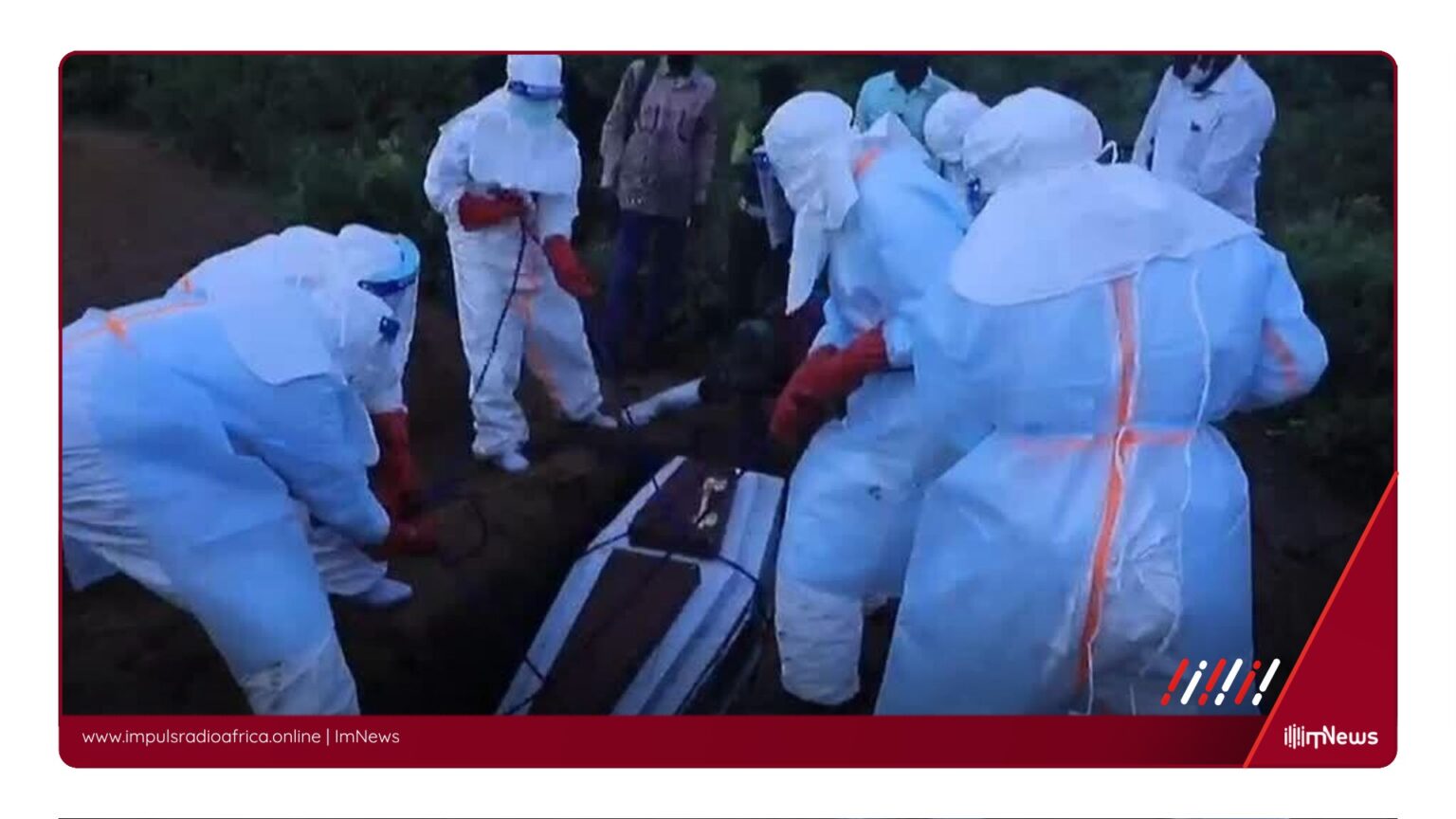
Uganda and DRC Grapple with Ebola Outbreak as WHO Declares PHEIC Kampala, Uganda — In a critical development, Uganda’s Ministry of Health has confirmed three new cases of Ebola Virus Disease (EVD), bringing the total number of confirmed infections in the country to five.
The latest cases include a Ugandan driver who transported the country’s first confirmed Ebola patient and a Ugandan health worker who was exposed while caring for the same patient, both currently receiving treatment.
The World Health Organization (WHO) has declared the Ebola disease caused by Bundibugyo virus in the Democratic Republic of the Congo (DRC) and Uganda a Public Health Emergency of International Concern (PHEIC) as of May 16, 2026.
The declaration of a PHEIC indicates a significant threat to international public health, but it does not meet the criteria for a pandemic emergency, suggesting the risk of global spread is contained.
The Centers for Disease Control and Prevention (CDC) has issued a Health Alert Network (HAN) Health Advisory on May 19, 2026, recommending precautions for U. S.
Health departments, clinical laboratories, and healthcare workers, emphasizing a cautious approach to the potential risk of the Ebola outbreak spreading to the United States.
The Ebola outbreak, linked to the DRC, has raised concerns across the region and beyond.
The Bundibugyo virus, a strain of the Ebola virus, can cause severe disease and death.
Outbreaks have historically occurred in several African countries, including the DRC and Uganda, with the most recent major outbreaks occurring in 2014 and 2018-2019.
The Ugandan government has implemented measures to prevent the spread of the virus, including heightened surveillance and response efforts. Authorities have suspended flights, border transport, and weekly markets in high-risk border districts following confirmation of imported cases linked to the outbreak in eastern DRC.
Uganda Airlines has suspended its Entebbe — Kinshasa flights effective Saturday, May 23, 2026, until further notice, citing ongoing public health interventions.
The current state of the Ebola treatment and vaccination efforts in the region remains a matter of concern. While the WHO’s declaration of a PHEIC underscores the urgency of the situation, it also highlights the need for coordinated regional and international response.
The Ugandan and Congolese governments must take robust measures to prevent further spread of the virus within their respective countries and across borders.
As the situation unfolds, it is crucial for health authorities to maintain transparency and share information with the public to ensure effective prevention and control measures are implemented.
The international community must also step up its support for affected countries to manage the outbreak effectively and minimize its impact on public health and socioeconomic stability.
The Ebola outbreak serves as a stark reminder of the vulnerabilities of healthcare systems in the region and the need for ongoing investment in public health infrastructure and emergency preparedness. Only through a collaborative and coordinated effort can the threat of Ebola and other infectious diseases be effectively addressed.
*Additional reporting by ImNews | Sources consulted: 5*
—
This original article was produced by the ImNews editorial team
Source: france24 – Africa
Source: FRANCE24