Uganda’s Economic Diplomacy Retreat: Navigating Growth Challenges and Opportunities BODY: KAMPALA, Uganda — The Annual Economic and Commercial Diplomacy (ECD) Retreat in Uganda has highlighted the nation’s strategic focus on trade, investment, and export growth, marking a pivotal moment in its economic advancement.
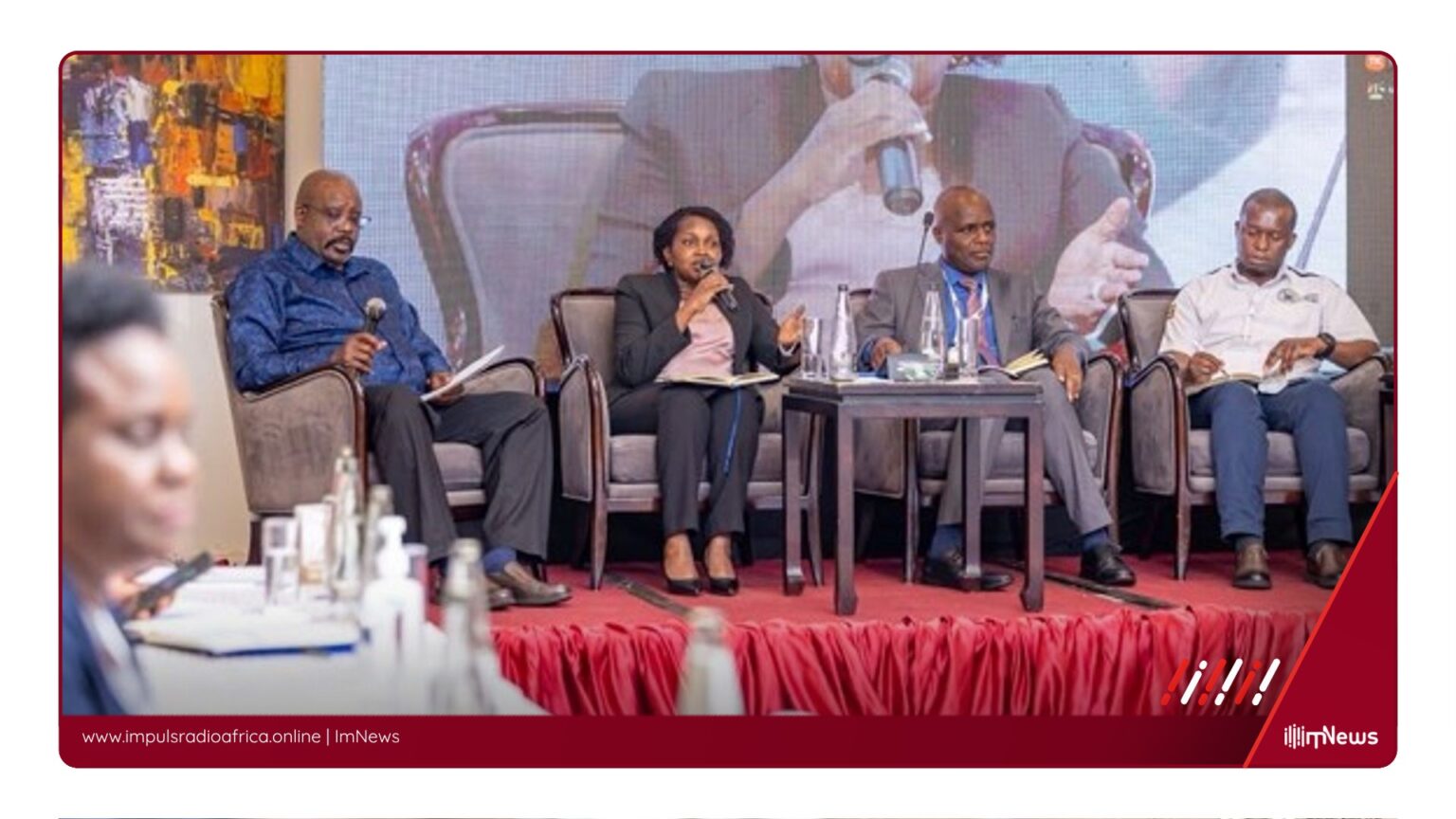
The retreat, held at the Mestil Hotel, signifies the government’s commitment to integrating foreign policy with economic goals.
The retreat’s primary aim is to unify various ministries, regulators, and the private sector to address the challenge of fragmented execution in economic policy. This collaborative approach is crucial for Uganda’s economic growth, as it seeks to capitalize on its strategic location and resource-rich landscape. Government officials emphasize that tangible advances in exports, investment, industrialization, and job creation are essential for Uganda’s long-term economic objectives.
Despite recent economic growth and benefits from a young population, large agricultural resources, emerging oil prospects, and regional market access, Uganda faces challenges in export diversification and industrial competitiveness. Key concerns include high barriers to accessing premium global markets, the need for investment in standards infrastructure and technical competence, and the persistent dependence on commodity exports.
The presence of the Uganda National Bureau of Standards and trade officials underscores the importance of addressing these issues. Investment promotion is also a focus, with the understanding that attracting capital requires regulatory certainty, reliable infrastructure, efficient institutions, competent labor, and predictable policy settings. Uganda’s ability to compete for regional and global investment hinges on reforms beyond investment promotion activities.
The retreat also raises accountability concerns, with little public reporting on quantifiable outcomes such as export growth, new investment projects, or changes in market access.
The absence of transparent performance measures and regular public evaluation makes it difficult to assess the Economic and Commercial Diplomacy Strategy’s effectiveness. Despite these challenges, there is a renewed commitment to cooperation and addressing structural obstacles that hinder investment and competitiveness.
The retreat’s outcomes will be crucial in shaping Uganda’s economic future and its role in the African Continental Free Trade Area (AfCFTA). – The implementation of the Economic and Commercial Diplomacy Strategy. – The impact of reforms on trade, investment, and economic growth.
– The role of the foreign service in driving economic development. – The potential of the AfCFTA to enhance economic integration across the continent.
*Additional reporting by ImNews | Sources consulted: 5*
—
This original article was produced by the ImNews editorial team
Source: Panafricanvisions
Source: Pan African Visions