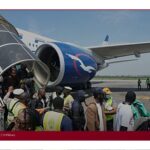


Kampala, Uganda — Uganda’s strategic response to the plight of its burgeoning refugee population, characterized by a significant increase over the last few years, is set to enter a new phase.
As of October 31, 2025, Uganda hosted 1,961,518 refugees and asylum seekers, with over a million being children. This large-scale displacement is largely due to conflicts in neighboring countries like South Sudan, the Democratic Republic of the Congo, and Sudan.
The Uganda Refugee Support, Empowerment, and Transformation (ReSET) Project, a £20 million initiative between the UK and Uganda, marks a pivotal shift from a traditional humanitarian model to one that emphasizes self-reliance and resilience among refugees.
The ReSET Project is designed to support NGOs working to improve the lives of both refugees and host communities, aiming to address immediate humanitarian needs while building long — term resilience.
According to the Global Humanitarian Overview 2026, Uganda is among the countries targeted for humanitarian assistance, with 1.
8 million people considered urgently prioritized.
The report highlights the urgency of providing aid in the context of the escalating global refugee crisis.
The Government of Uganda’s Department of Refugees is at the forefront of this response, responsible for receiving, documenting, and settling refugees while coordinating stakeholders on refugee matters.
The department also engages in partnership with various NGOs to ensure a comprehensive and coordinated approach to refugee management.
The ReSET Programme is not only a financial commitment but also represents a policy shift in Uganda’s approach to hosting refugees. It reflects the international community’s recognition of the need to transition from emergency aid to sustainable solutions that empower refugees and host communities alike.
In the realm of education, the Uganda Refugee Response Plan (RRP) 2026-2030 and its associated education dashboard for the first quarter of 2026 indicate that while progress has been made, significant challenges persist.
The dashboard reveals key sector figures, achievements against key indicators, and operational presence, painting a comprehensive picture of the education response in refugee settings.
However, the ReSET Project and the broader response to the refugee crisis also raise questions about the long — term effectiveness of such interventions and the evolving dynamics within Uganda’s refugee ecosystem.
As the ReSET Programme continues to unfold, the focus on building resilience among refugees is crucial to ensuring sustainable solutions that contribute to the overall stability and development of host communities and the country at large. While the ReSET Project is a step towards a more sustainable future, it is also essential to acknowledge the challenges ahead.
The transition from a humanitarian to a resilience — focused model requires a nuanced understanding of the needs and rights of refugees, as well as a coordinated approach that involves all stakeholders, including the government, NGOs, and host communities.
The next few years will be critical in determining the success of the ReSET Project and the overall approach to refugee management in Uganda.
The outcomes will not only affect the lives of the millions of refugees and their hosts but will also have broader implications for the region’s stability and development.
As the world watches, the ReSET Project is poised to be a model for innovative refugee response in Africa and beyond.
*Additional reporting by ImNews | Sources consulted: 5*
—
This original article was produced by the ImNews editorial team
Source: reliefweb
Source: Government of Uganda