
CITY, Central African Republic — The United Nations Emergency Fund has allocated US$1 million to combat the ongoing cholera outbreak in the Central African Republic (CAR), where the disease has been spreading rapidly. This funding is intended to support rapid interventions for 88,700 people in affected and high-risk areas, including strengthening epidemiological surveillance, case management, risk communication, and community engagement.
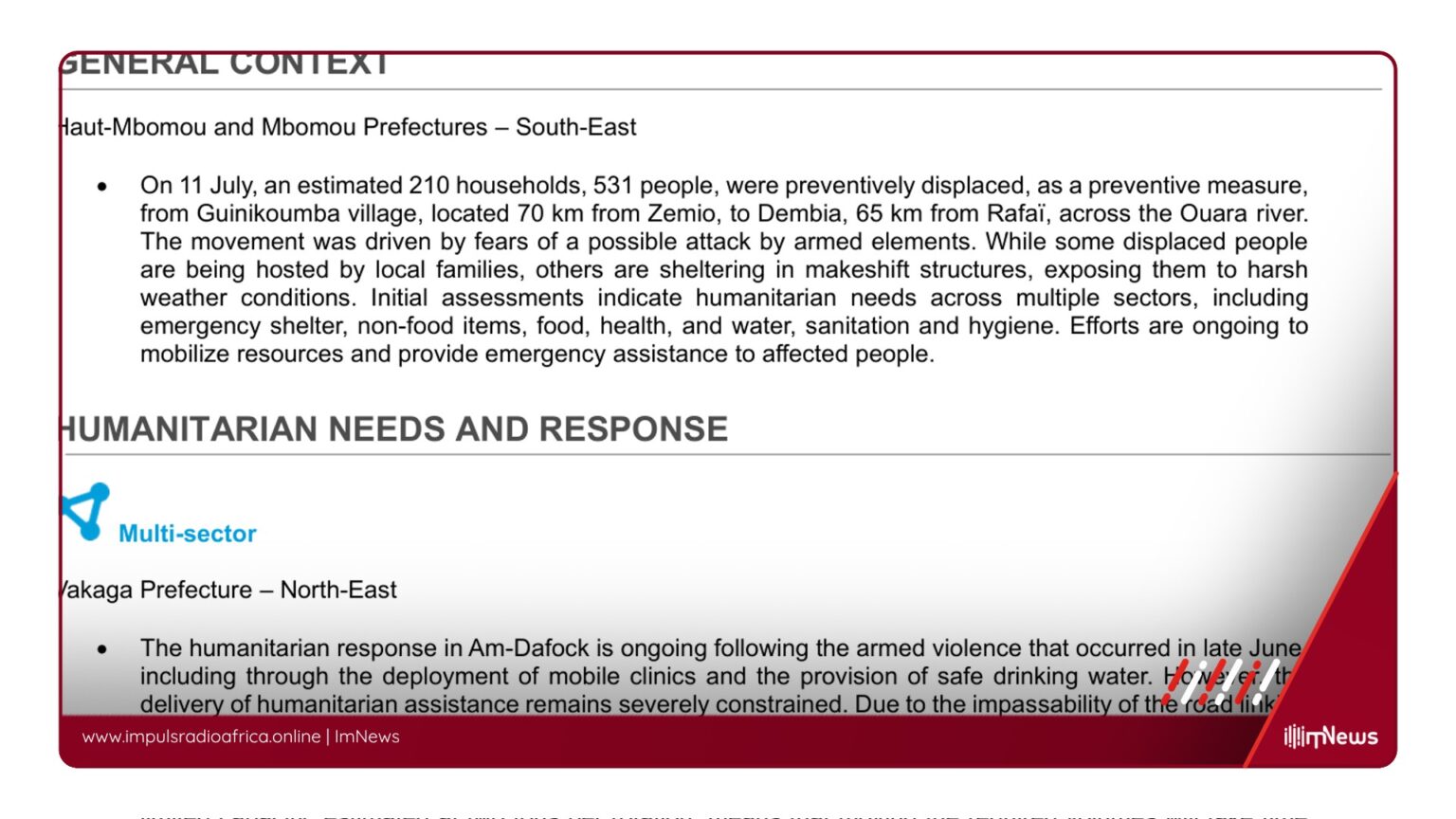
The allocation comes as the CAR faces a humanitarian crisis, with over 500 people preventively displaced in Zémio Nana-Gribizi due to fears of armed attacks.
An estimated 210 households, totaling 531 people, were displaced from Guinikoumba village to Dembia, while a religious leader’s killing has led to over 1,000 people fleeing from Zemio to Zapaï in the Democratic Republic of Congo (DRC).
The UN Office for the Coordination of Humanitarian Affairs (OCHA) reports that the humanitarian situation in the CAR is dire, with ongoing conflict and political instability exacerbating challenges for the population.
The Security Council is expected to vote to extend the 2745 sanctions regime and renew the mandate of the Panel of Experts supporting the 2745 Sanctions Committee, indicating ongoing international involvement and oversight.
The response to the cholera outbreak is facing several major challenges, including low adoption of basic hygiene practices by communities, inadequate access to safe water sources, and the continued practice of open defecation in riverside villages. Despite these challenges, the Government, in partnership with the World Health Organization (WHO), has been working to strengthen surveillance and case management, as well as risk communication and community engagement activities.
The allocation of funds for the cholera response is a critical step in addressing the immediate health needs of the population.
However, the broader humanitarian crisis requires a comprehensive and coordinated approach, including efforts to restore peace and security, improve access to basic services, and support the recovery of affected communities.
*Additional reporting by ImNews | Sources consulted: 5*
—
This original article was produced by the ImNews editorial team
Source: reliefweb
Source: UN Office for the Coordination of Humanitarian Affairs