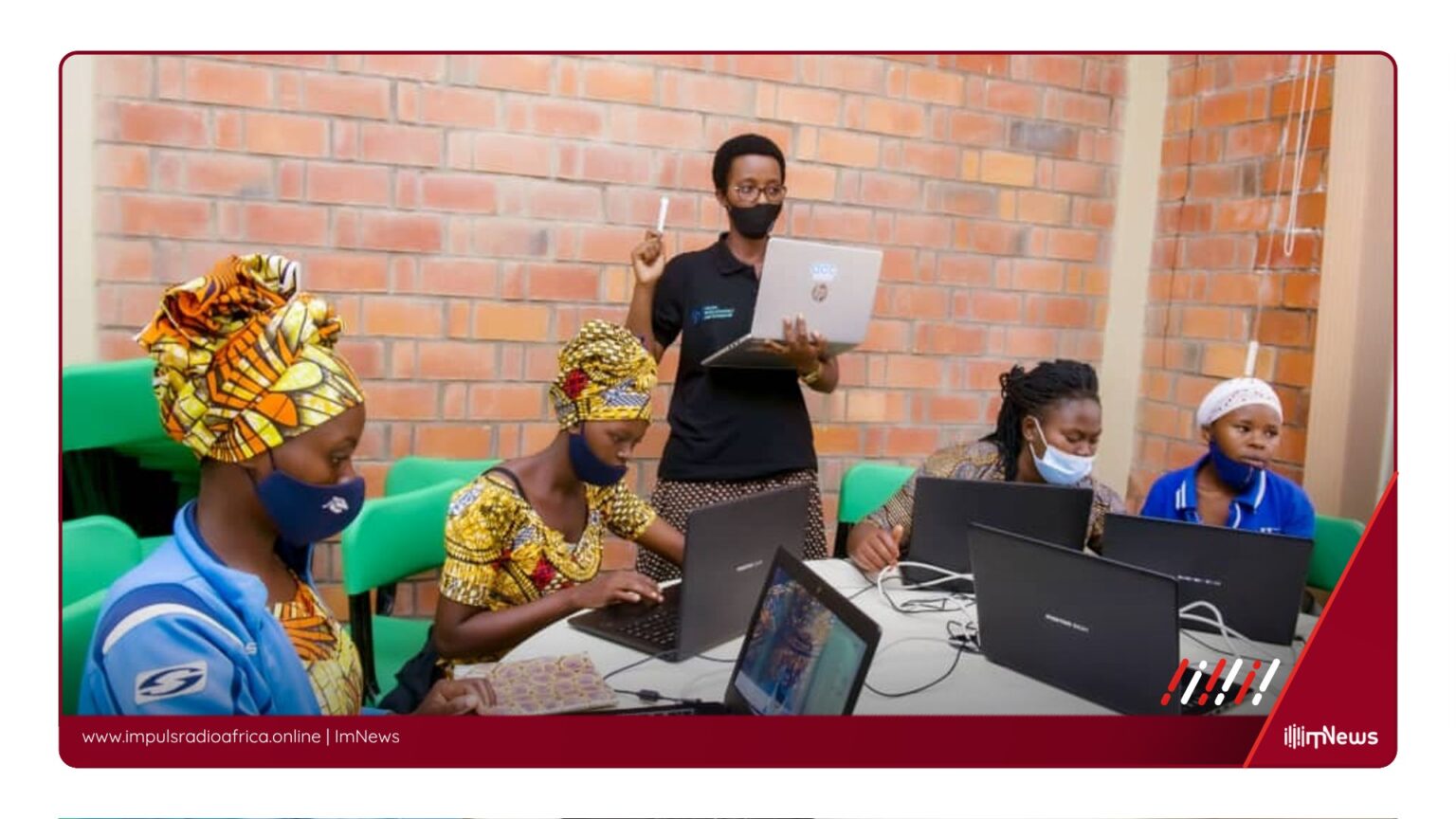
LIBREVILLE, Gabon — The United Nations Economic Commission for Africa (UNECA) has initiated an extensive training program aimed at over 1,000 African female entrepreneurs by 2029.
The program, which focuses on four countries — Burkina Faso, Ethiopia, Namibia, and the Democratic Republic of Congo—seeks to address the challenges faced by women in accessing digital literacy and establishing a presence in the tech sector.
The digital economy is currently redefining growth opportunities in Africa, yet women are confronted with the dual hurdles of limited access to digital skills and a restricted online market presence.
The UNECA initiative, supported by the Technology, Innovation, Connectivity and Infrastructure Development (TICID) division, includes two complementary components: digital literacy and financial management training for the participants, as well as the training of over 200 public decision-makers to promote the development of inclusive and gender-sensitive regulatory frameworks.
The program is also set to address regulatory environments that are considered unfavourable for women entrepreneurs.
According to UNECA, the gap in Internet usage between men and women remains significant in Africa, with the continent having the lowest connectivity rate in the world.
The International Telecommunication Union (ITU) reported that in 2025, Africa’s digital parity score stood at 0. 78, compared to a global average of 0. 70.
The continent’s Internet usage rate was 36%, less than half of the global average of 74%.
The program will involve eight national workshops and a regional training program, complemented by an online learning module and study tours.
A comprehensive evaluation study is planned for each participating country, with a diagnostic phase set to last six months.
The first national study reports are expected by the end of 2026, which will allow for the adaptation of the content of the national workshops. Despite the program’s ambitious scope, no specific details regarding the launch date, the range of digital skills to be covered, or the training duration have been announced by UNECA.
As the initiative progresses, further information is anticipated.
—
This original article was produced by the ImNews editorial team
Source: Agpgabon
Source: Redaction