Lagos, Nigeria — Amidst the ongoing cholera outbreak in Borno State, the United Nations Population Fund (UNPF) has issued guidance on integrating Gender-Based Violence (GBV) risk mitigation strategies into the response efforts. This comes as the region grapples with protracted conflict, recurrent displacement, and economic hardship, leading to heightened vulnerabilities, particularly among women and children.
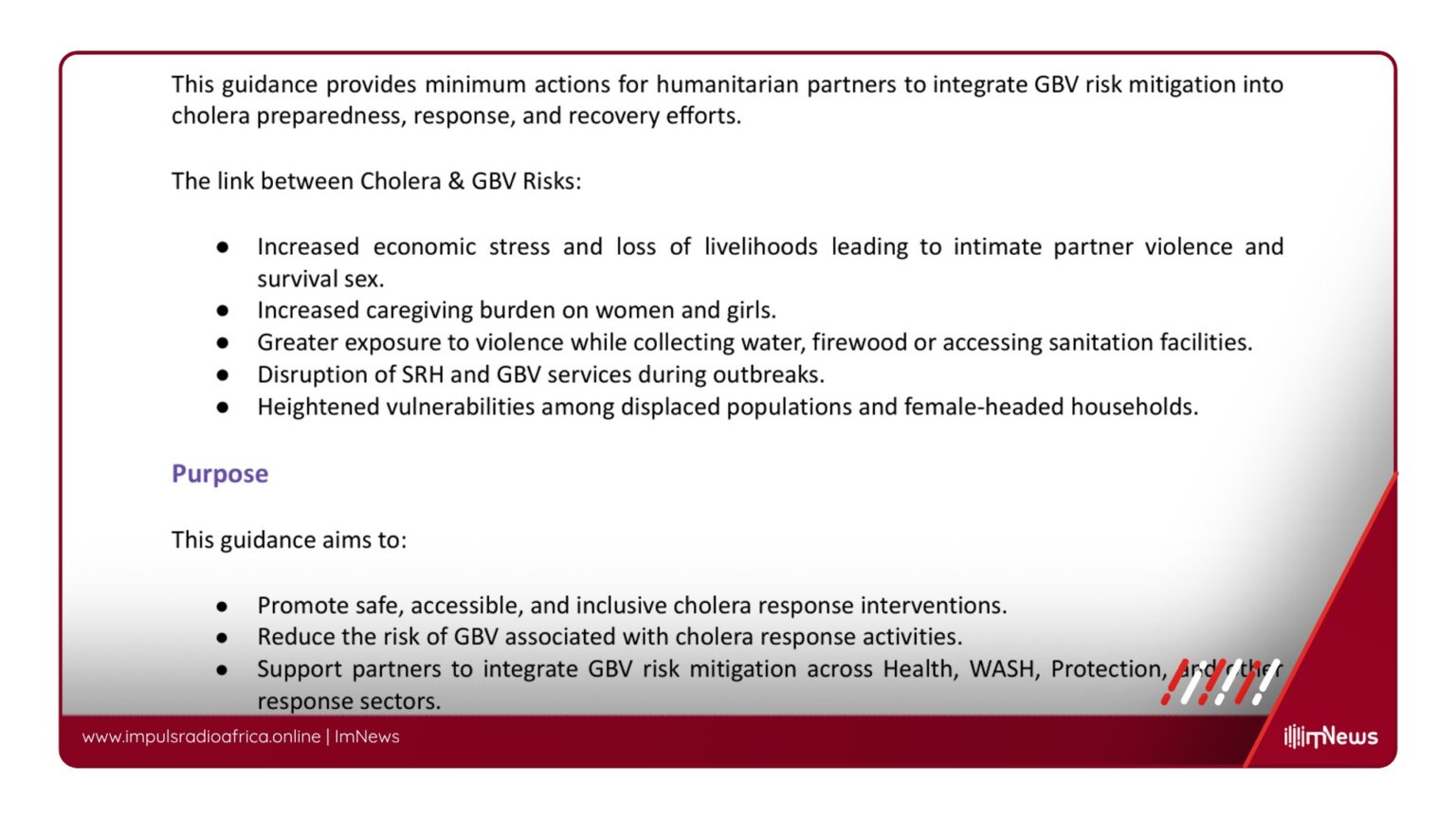
The UNPF’s guidance emphasizes the importance of ensuring that women, girls, persons with disabilities, older persons, and other groups with specific needs are protected during the response to the cholera outbreak. Developed in collaboration with the Nigerian government and other stakeholders, the document outlines several key strategies for mitigating GBV risks. These strategies include establishing GBV focal points within humanitarian response teams, conducting regular GBV risk assessments, providing GBV awareness training to humanitarian staff and community members, and ensuring the availability of GBV services, including counseling, legal aid, and psychosocial support.
As the situation in Borno State remains fragile, with over 2 million people displaced by conflict, the integration of GBV risk mitigation into the response efforts is a significant step forward in protecting the most vulnerable populations. This holistic approach aims to ensure that the response to the cholera outbreak does not exacerbate the risk of GBV. With the guidance provided by the UNPF and the commitment of all stakeholders, there is hope that the humanitarian response in North-East Nigeria can address both the immediate health crisis and the long-term risk of GBV.
As the outbreak continues to unfold, the success of these efforts will depend on continued support and collaboration among all parties involved.
*Additional reporting by ImNews | Sources consulted: 5*
—
This original article was produced by the ImNews editorial team
Source: reliefweb
Source: Call to Action on Protection from Gender-Based Violence in Emergencies