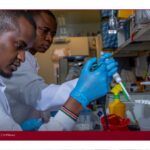


Johannesburg, South Africa — In a significant development for the health and pharmaceutical sectors in Southern Africa, UNAIDS, the Southern African Development Community (SADC), and the Global Health Innovation Institute (GHII) have joined forces with the Governments of South Africa and China, as well as Chinese pharmaceutical companies. This collaboration aims to bolster pharmaceutical manufacturing and enhance health security in the region.
The strategic exchange, held from August 31 to September 4, 2026, in Johannesburg, Durban, and Cape Town, brought together key stakeholders including governments, pharmaceutical manufacturers, research institutions, financial and development partners, and health experts.
The initiative leverages lessons from the HIV response to explore how stronger partnerships can accelerate regional production of medicines, diagnostics, and health technologies. UNAIDS Regional Director for East and Southern Africa, Anne Githuku-Shongwe, emphasized the importance of this collaboration, stating, “Strengthening pharmaceutical manufacturing is about much more than producing medicines. It is about African countries having greater control over the health products their people depend on, including for HIV, while building the skills, investment, technology, and systems needed for long-term health security. “.
Dr Lamboly Kumboneki, SADC Secretariat, noted that the partnership with China is crucial for connecting African manufacturing capability with the investment, technology, and skills needed to strengthen regional pharmaceutical production.
The program included high — level policy discussions, engagement with development and financing partners, and visits to pharmaceutical manufacturing and research facilities. It aimed to expand investment and technology transfer, improve market intelligence and regulatory readiness, and identify practical opportunities for deeper Africa-China collaboration. Gary Yang, Head of Business Development and Innovation at GHII, highlighted the willingness and readiness of South African companies and policy makers, seeing this as a perfect opportunity to bring accessible health products through a mutually beneficial partnership.
As the collaboration progresses, it is anticipated that it will contribute significantly to improving health security and economic resilience in Southern Africa, fostering technological transfer and knowledge exchange, and reducing the region’s reliance on imported pharmaceuticals.
*Additional reporting by ImNews | Sources consulted: 5*
—
This original article was produced by the ImNews editorial team
Source: reliefweb
Source: UNAIDS