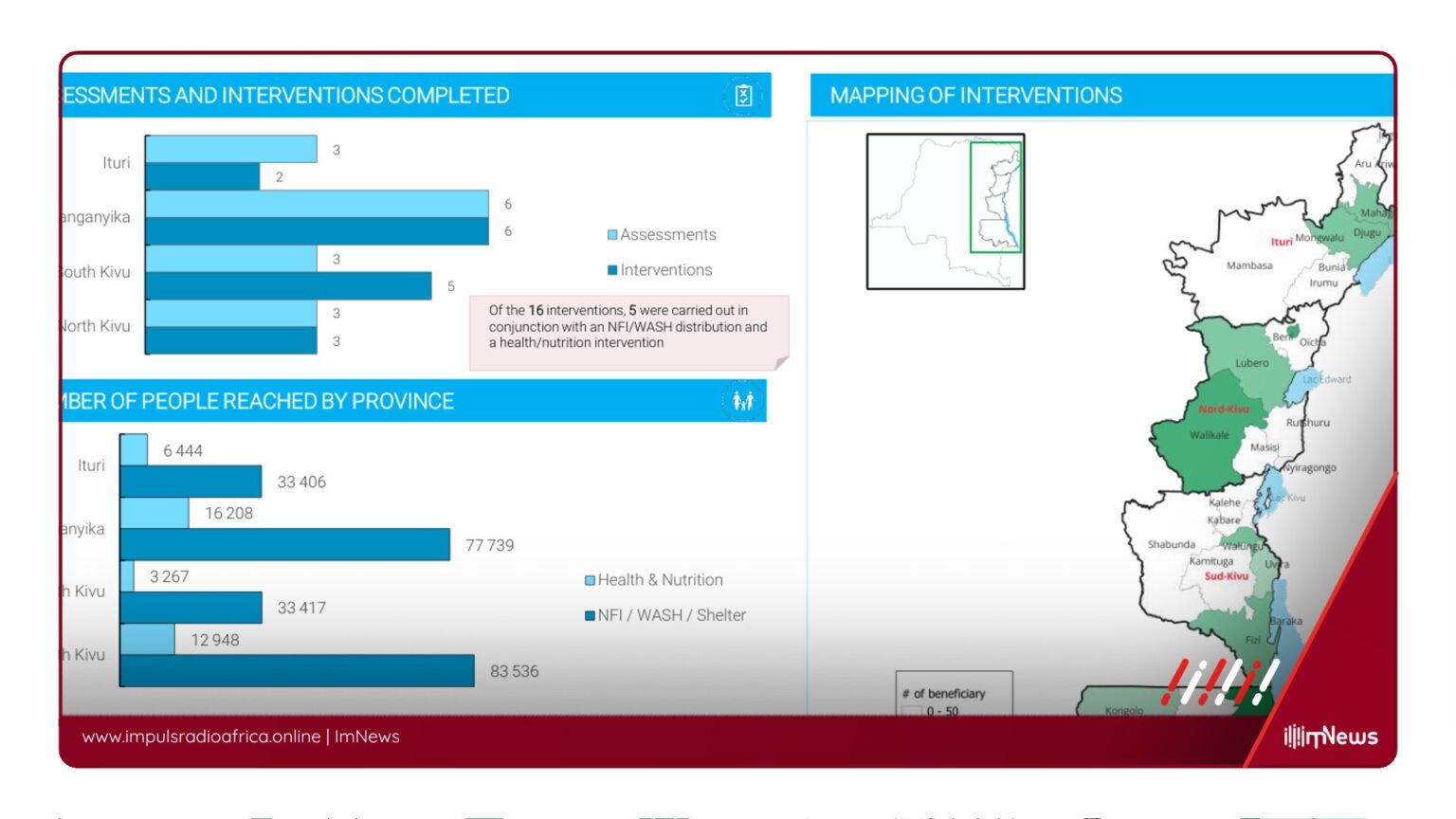
UNICEF Bolsters Lifesaving Aid Amid DRC’s Deepening Humanitarian Crisis BODY: Kinshasa, DRC – Amid a deepening humanitarian crisis in the Democratic Republic of the Congo (DRC), the United Nations Children’s Fund (UNICEF) has intensified its lifesaving assistance efforts in the conflict-affected provinces of Ituri, Nord-Kivu, Sud-Kivu, and Tanganyika.
In 2025, UNICEF provided aid to 1,016,943 crisis-affected individuals, including 664,098 children, marking a significant increase in the scale of interventions.
The DRC is addressing a multifaceted crisis, with 14.
9 million people, including 8 million children, anticipated to require assistance in 2026. This figure underscores the urgency of the situation, as the country battles ongoing conflict, displacement, and the collapse of essential services.
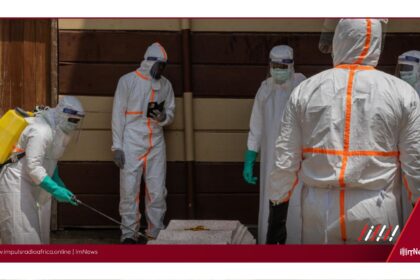
A recent Ebola outbreak in the DRC and Uganda has further exacerbated the humanitarian crisis.
As of May 2026, there have been 246 suspected cases and 80 suspected deaths recorded in Ituri Province alone. This has prompted UNICEF to scale up its efforts to protect and support children and families in the region. Despite a 14.
6% decrease in the number of interventions by UNICEF’s Rapid Response (UniRR) in 2025 compared to 2024, the number of beneficiaries per intervention increased. This indicates a more targeted and efficient approach to delivering aid, although the challenges remain significant. Save the Children has highlighted the difficulties faced by displaced populations in accessing basic services, education, and healthcare.
The organization warns that many displaced families lack sufficient food, health services, clean water, and hygiene materials, as areas become increasingly isolated by violence. UNICEF’s focus on child protection and lifesaving assistance is crucial in the face of such adversity.
However, the long — term plan for rebuilding the health system in conflict-affected areas and addressing the root causes of the conflicts and humanitarian crisis remain unanswered questions.
The DRC government and international partners are working to prevent further outbreaks of diseases like Ebola.
However, the challenges are immense, and the need for sustained and coordinated efforts is paramount.
As the humanitarian situation in the DRC continues to deteriorate, the role of organizations like UNICEF in providing critical support to vulnerable populations cannot be overstated.
The international community must remain committed to addressing the complex needs of the DRC’s most vulnerable citizens, particularly children, who bear the brunt of the crisis.
*Additional reporting by ImNews | Sources consulted: 3*
—
This original article was produced by the ImNews editorial team
Source: reliefweb
Source: UN Children's Fund