
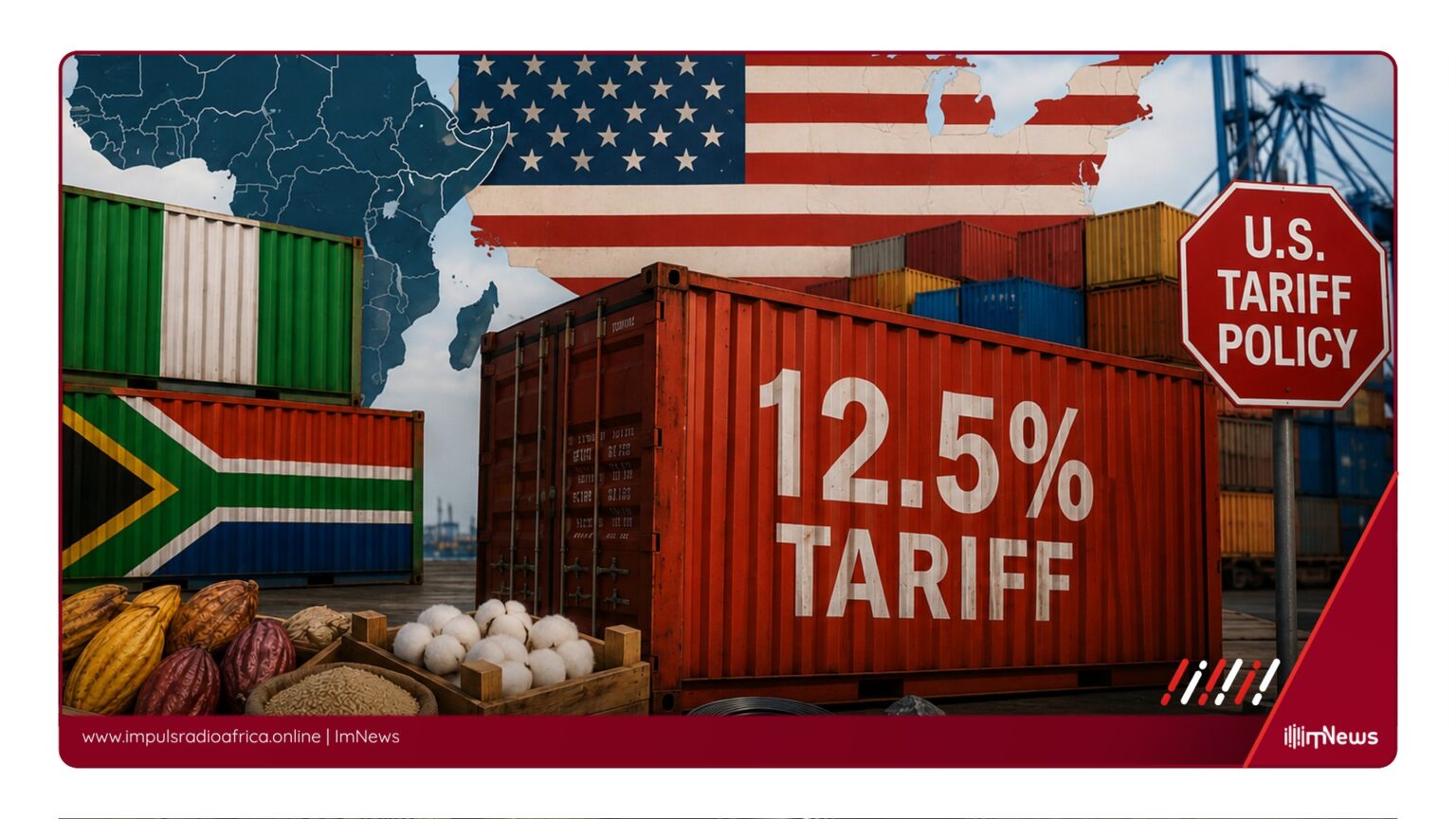
U. S. Imposes Heavier Tariffs on Nigeria, South Africa Amidst Forced Labor Concerns Johannesburg, South Africa – In a move aimed at curbing the import of goods produced with forced labor, the United States has imposed a 12.
5% tariff on imports from Nigeria and South Africa, as part of President Trump’s Section 301 trade policy. This action affects 58 other economies as well, but notably targets Algeria, Angola, Egypt, Libya, Mauritania, Morocco, Nigeria, and South Africa directly.
The Office of the United States Trade Representative (USTR) has cited the findings of 60 concurrent Section 301 investigations as the basis for these additional tariffs.
The investigations determined that the targeted economies failed to effectively prevent goods made with forced labor from entering their supply chains, thus creating an unfair competitive advantage for American workers. This development follows a broader shift in trade policy by the Trump administration, which has utilized the Trade Act of 1974 to impose tariffs on goods deemed unfair trade practices. Professor Carlos Lopes of the University of Cape Town highlighted that the trade policies and changes in foreign aid reflect a more transactional approach to relationships with African leaders.
The impact of these tariffs is expected to be felt acutely in the targeted countries, where economies like South Africa’s rand are already under strain.
The tariffs represent an additional challenge for African countries seeking to deepen trade ties with the United States and navigate the complexities of the global trade environment. While the USTR’s findings and proposed tariffs have sparked criticism, they also underscore the need for global cooperation to address labor rights issues in supply chains. Regional authorities and international organizations have taken note of the U.
S. Government’s actions, emphasizing the broader implications of these tariffs for ethical sourcing and labor rights in global trade practices.
As the USTR’s investigation continues, the affected economies will likely focus on addressing the concerns raised by the USTR and implementing measures to prevent the entry of goods made with forced labor into their markets.
The success of these efforts hinges on the collaboration of governments, businesses, and international organizations in addressing a multifaceted and complex issue. KICKER: With the imposition of tariffs over forced labor concerns, the global community is called to action to prioritize ethical sourcing and labor rights in international trade practices.
*Additional reporting by ImNews | Sources consulted: 5*
—
This original article was produced by the ImNews editorial team
Source: Africa.businessinsider
Source: Solomon Ekanem