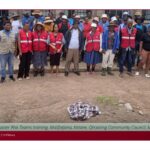
WASH Crisis Looms Over Sudan’s Al Karama IDP Camps Amidst Escalating Conflict BODY: Khartoum, Sudan — The escalation of conflict in early 2026 has driven over 170,000 internally displaced persons (IDPs) to seek refuge in Al Karama sites across Blue Nile, Sudan.
The rapid influx of displaced individuals has strained water, sanitation, and hygiene (WASH) services to a critical point, according to a comprehensive WASH needs assessment conducted in June 2026. Sanitation conditions are the most severe, with over 90% of IDPs facing severe or critical WASH challenges. Overcrowding and inadequate infrastructure lead to visible faeces in 79% of households, creating an environment highly conducive to the spread of waterborne diseases, including Hepatitis E, cholera, and acute watery diarrhoea.
The risk is especially high during the June — October rainy season, when flooding could exacerbate contamination from overflowing latrines and surface runoff. Water access is also alarmingly limited, with 60% of households reporting severe or critical water stress. Shortages are frequent, and less than half of the IDPs receive the recommended 7.
5 liters per person per day for survival. Camps 3, 4, 8, and 9 are particularly affected, while Camps 2 and 9 suffer from severe water shortages, and Camps 5 and 6-7 face widespread, albeit less extreme, challenges.
The WASH Cluster’s assessment, which included a household survey of 1,337 households and detailed assessments of water facilities and public sanitation infrastructure, underscores the urgent need for intervention.
The findings indicate a widespread breakdown in coping capacities, with reduced hygiene practices increasing the risk of waterborne diseases. Public water infrastructure is under significant strain, with widespread damage and only around two-thirds of facilities fully functional. These challenges necessitate large-scale intervention, including rehabilitation, operation and maintenance, and strengthened water quality management systems.
As the conflict and drought continue to displace more people, the challenge of providing adequate WASH services will intensify. Immediate action is required to improve WASH conditions in the IDP camps and mitigate the risk of waterborne diseases, protecting the health and well-being of the displaced populations in Blue Nile, Sudan.
*Additional reporting by ImNews | Sources consulted: 5*
—
This original article was produced by the ImNews editorial team
Source: reliefweb
Source: UN Children's Fund