
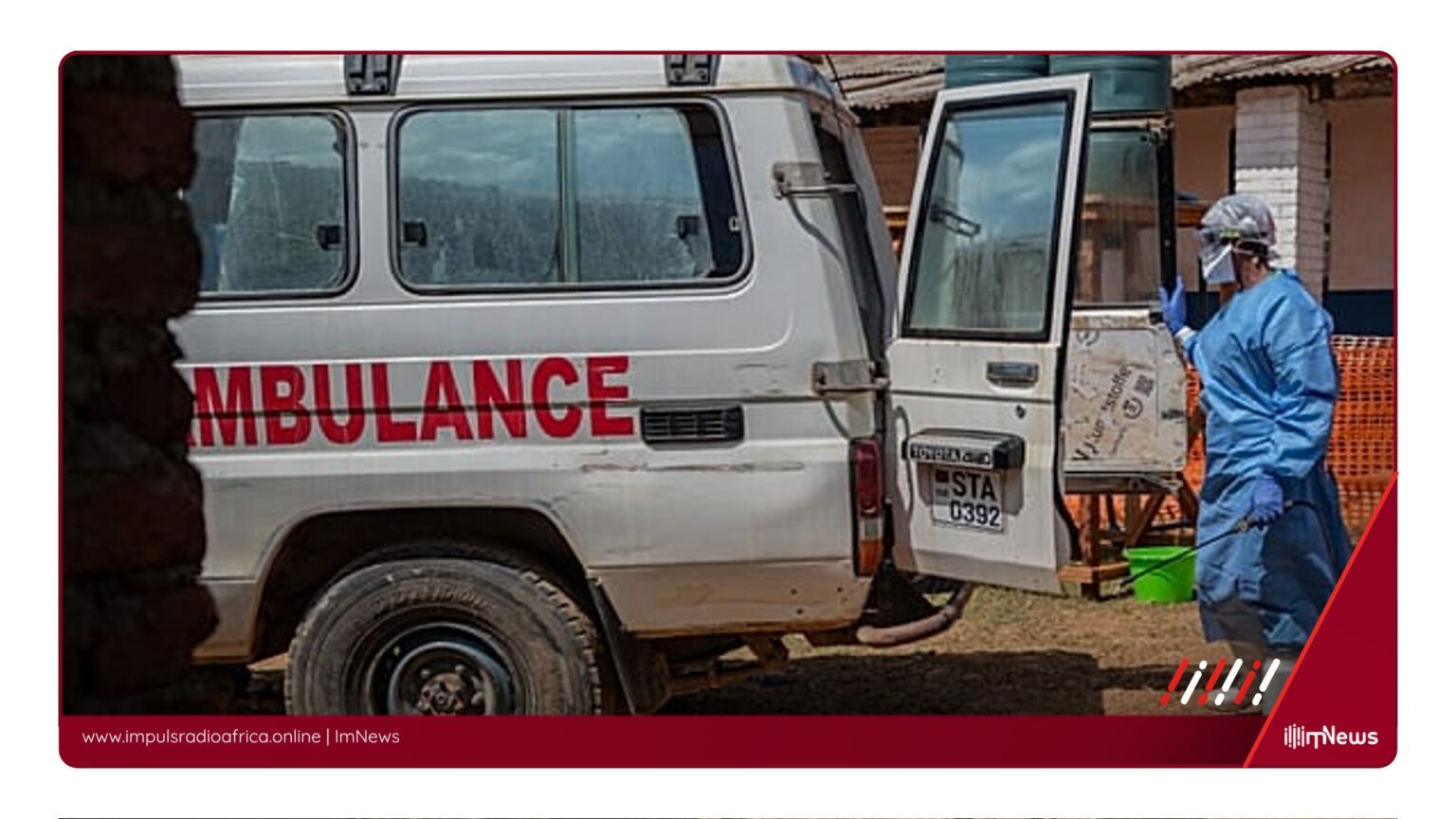
Officials commented on the matter. Amidst this crisis, attacks on medical teams and vehicles, including ambulances, have become a recurring challenge, hindering efforts to contain the disease. Dr Thierno Baldé, an incident manager with the World Health Organization (WHO), describes the situation as a regular threat to healthcare services, with “almost on a daily basis, “health workers face reactions from communities struggling to cope with the disease.
The WHO is collaborating with the DRC and Uganda governments to strengthen surveillance, contact tracing, and clinical preparedness.
However, the absence of a vaccine or specific treatment for the Bundibugyo species of Ebola adds complexity.
The outbreak is occurring in a challenging context, including humanitarian crises, remote areas, insecurity, and high population movements. Community engagement is crucial, yet the recurring attacks on ambulances highlight the hostility faced by health workers.
The WHO is exploring innovative approaches, such as using motorbike riders to track infections, to improve surveillance and treatment capacity in hard — to-reach areas.
The international community is called upon to provide increased support to the DRC and Uganda, addressing the root causes of the violence against healthcare workers.
The ongoing situation underscores the challenges healthcare workers face in conflict zones and the necessity of robust protection measures.
*Additional reporting by ImNews | Sources consulted: 5*
—
This original article was produced by the ImNews editorial team
Source: Africanews
Source: Rédaction Africanews